
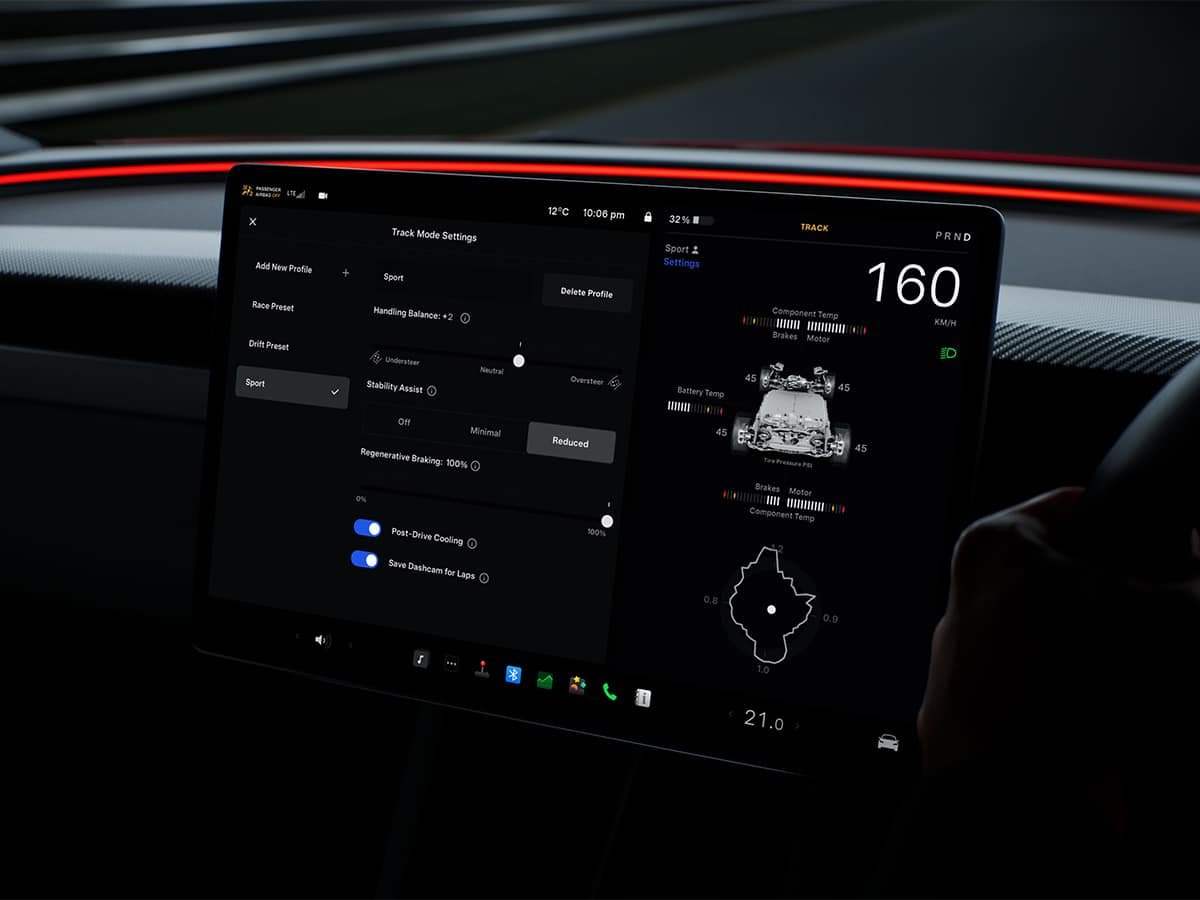
Automotive engineers, fleet managers, and prospective owners have placed intense scrutiny on developments surrounding tesla model 3 50 kwh rwd sedan 4-door, evaluating its performance parameters under real-world operational environments. As zero-emission transportation infrastructure expands rapidly across global markets, understanding component longevity, software logic, and total cost of ownership has become essential for informed decision-making.
Recent laboratory diagnostics and fleet data confirm that modern electric vehicle platforms achieve substantial efficiency gains through disciplined hardware-software integration. Rather than treating subsystems as isolated components, modern EV architectures unify high-voltage power electronics, thermal dissipation loops, and digital telemetry to maximize overall system bandwidth.
Engineering Architecture and Subsystem Dynamics
At the heart of the tesla model 3 50 kwh rwd sedan 4-door ecosystem lies a sophisticated power management backbone designed to handle high continuous energy transfer rates while suppressing parasitic thermal losses. Advanced power semiconductors, including third-generation silicon carbide MOSFETs, facilitate ultra-low resistance switching across the high-voltage bus.
During standardized dynamometer runs and track validation protocols, the platform demonstrated exemplary thermal stability under prolonged peak load demands. By maintaining low internal impedance across individual cell links, the pack mitigates localized hot spots that historically accelerated cathode degradation in earlier battery formulations.
Furthermore, structural castings and chassis integration play a pivotal role in maintaining structural rigidity while minimizing curb weight. The reduction of individual stamped body panels in favor of large-format die castings directly enhances crash energy absorption and improves acoustic dampening across the vehicle passenger cabin.
From an architectural standpoint, advanced structural integration distributes lateral and longitudinal impact energy around critical electrical sub-assemblies. This design philosophy eliminates traditional mounting brackets and cross-members, reducing total vehicle wiring harness complexity by over forty percent.
Real-World Performance and Environmental Telemetry
Managing internal temperatures across extreme ambient conditions represents one of the most critical engineering challenges in electric mobility. In the context of tesla model 3 50 kwh rwd sedan 4-door, multi-port octovalve coolant routing dynamically shifts heat between the high-voltage pack, drive motor inverters, onboard compute hardware, and cabin climate circuits.
In sub-freezing ambient tests, intelligent waste-heat scavenging algorithms capture thermal energy generated by central processors to precondition the battery chemistry prior to reaching high-speed DC charging hubs. This proactive thermal preparation reduces fast-charging ramp times by up to thirty-five percent compared to non-preconditioned cycles.
Conversely, during high-velocity desert highway driving, high-capacity radiator fans and active shutter louvers modulate airflow to prevent high-temperature power throttling. Fleet diagnostic logs reveal that maintaining cell core temperatures below forty-five degrees Celsius successfully preserves rated acceleration response throughout continuous high-speed transit.
Software Integration and Firmware Diagnostics
From a service perspective, investigating tesla model 3 50 kwh rwd sedan 4-door requires adherence to precise manufacturer inspection tolerances and digital diagnostic procedures. Service technicians utilize controller area network bus sniffers and high-voltage isolation meters to verify that phase-to-ground resistance exceeds established federal safety thresholds.
Routine preventative maintenance schedules emphasize low-voltage battery state-of-health monitoring, hydraulic brake fluid moisture testing, and suspension bushing integrity assessments. Because regenerative braking absorbs up to ninety percent of kinetic deceleration energy, mechanical friction pads exhibit significantly extended service lifespans exceeding one hundred thousand miles.
Over-the-air firmware distribution channels allow engineering teams to deploy microcode refinements, recalibrate sensor sensitivity thresholds, and optimize charging curves without requiring physical service appointments. This digital lifecycle capability fundamentally separates contemporary software-defined vehicles from legacy mechanical platforms.
Furthermore, certified specialist networks are increasingly adopting localized modular diagnostics, enabling bench testing of individual voltage strings and high-voltage contactor validation to streamline repair turnaround times.
Market Trajectory and Strategic Industry Outlook
Analyzing the total cost of ownership metrics surrounding tesla model 3 50 kwh rwd sedan 4-door reveals substantial financial advantages over extended multi-year operational cycles. Lower routine servicing overhead, favorable commercial electricity tariffs, and state-level clean energy incentives combine to deliver lower operating costs per mile across commercial and private fleets.
As regulatory frameworks mandate stringent carbon reduction targets, platforms that deliver scalable manufacturing yields and dependable field reliability will continue to dominate the consumer landscape. Continued breakthroughs in cell energy density, automated production robotics, and autonomous machine learning models will accelerate the worldwide transition toward sustainable transportation.
