
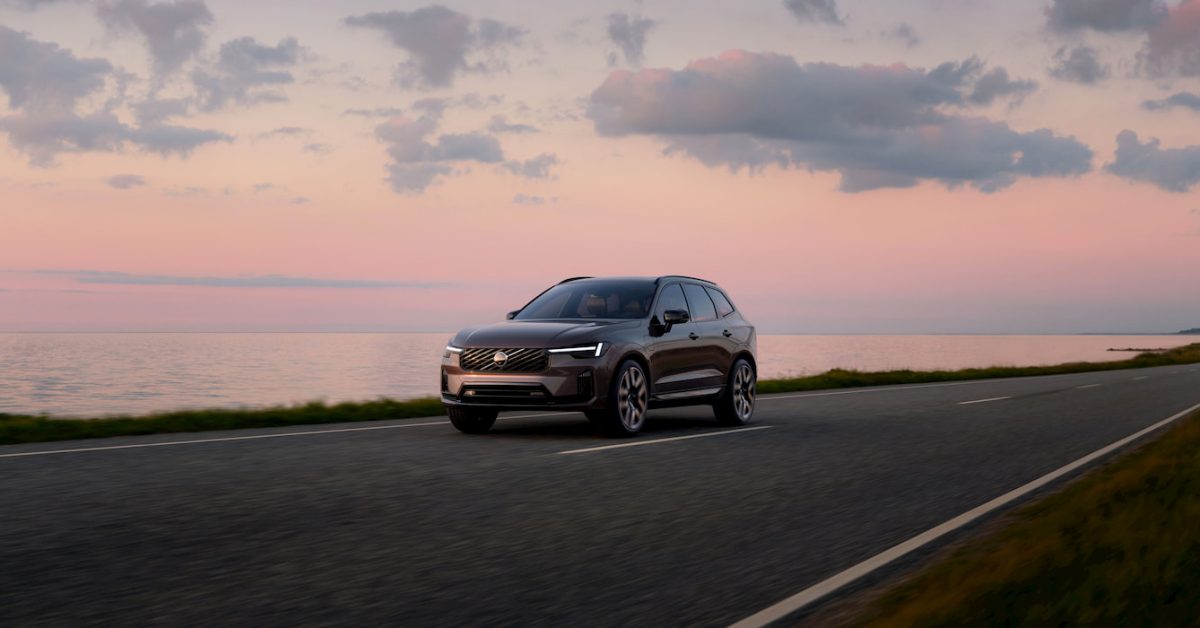
Volvo Unveils 78 Mile Electric Range XC60 And XC90 PHEVs
Volvo Cars has officially raised the bar for plug-in hybrid electric vehicles in North America with the debut of its updated XC60 and XC90 plug-in hybrids. Engineered to deliver extended zero-emission driving without requiring a full transition to pure electric vehicles, the new long-range models boast an impressive electric-only driving range of up to 78 miles.
This substantial leap in battery range positions Volvo’s latest hybrid lineup ahead of every plug-in hybrid currently sold in the United States. Previously, popular mid-size models such as the Toyota RAV4 PHEV set the benchmark with an EPA-estimated 54 miles of range. Volvo’s latest engineering breakthroughs comfortably surpass that established market standard by a wide margin.
Redefining Plug-in Hybrid Performance in America
The flagship updates focus on Volvo's top-selling luxury crossovers, with the mid-size XC60 PHEV offering up to 78 miles of all-electric driving. Meanwhile, the larger three-row XC90 PHEV achieves up to 73 miles. According to industry disclosures, these extended figures allow a vast majority of daily commutes to be completed purely on clean battery power.
Company executive leadership frames these long-range vehicles as a crucial bridge toward a fully electric future. Volvo Cars President and CEO Håkan Samuelsson noted that these additions create the brand’s strongest-ever electrified portfolio in the mid-size SUV segment, providing exceptional versatility for premium customers who are not yet ready to adopt pure battery-electric cars.
This strategic update reflects evolving consumer preferences across the global automotive market. While full electric adoption continues to grow steadily, long-range plug-in hybrids serve as a practical compromise for drivers seeking zero-emission daily commuting without highway range anxiety. Volvo’s heavy investment in battery capacity demonstrates a clear commitment to accommodating diverse luxury buyer needs.
Massive Battery Upgrades Drive Record All-Electric Range
At the heart of this performance breakthrough is a newly integrated 41.2 kilowatt-hour (kWh) battery pack. This high-density energy storage unit is more than double the size of the battery found in previous hybrid models. By doubling onboard energy, Volvo engineers yielded more than twice the electric driving distance previously available across both crossovers.
Implementing such a large pack required clever platform integration to preserve cabin space and vehicle storage. Regulatory filings indicate that optimized cell architecture and enhanced thermal management allowed engineers to fit the 41.2 kWh battery into existing vehicle platforms seamlessly without compromising passenger legroom, overall seating comfort, or rear cargo utility across both variants.
These battery metrics place Volvo in a distinct performance tier within the North American automotive landscape. Compared to mainstream competitors like the Toyota RAV4 PHEV, Volvo’s 41.2 kWh capacity approaches the battery sizes seen in early full EVs, offering robust electric acceleration and sustained high-speed highway operation without engaging the internal combustion engine.
Next-Generation Technology and Refined Interior Design
Along with battery upgrades, the updated XC60 and XC90 sport modern design revisions to align with Volvo’s evolving visual aesthetic. Exterior changes include a redesigned front grille, sculpted bumper profiles, and refreshed LED lighting featuring the brand’s signature Thor’s Hammer headlight pattern. These subtle refinements give both luxury SUVs a sleeker, more contemporary presence.
Inside, Volvo introduced upgraded door panels, revised dashboard layouts, and premium sustainable trim options. Modern active safety technologies and advanced driver-assistance software have also been integrated into the cabin, reinforcing Volvo’s historic reputation for occupant protection while improving overall interior ergonomics and significantly reducing ambient road noise for a quieter cabin environment.
The technological highlight inside the cabin is a new 11.2-inch central display running Volvo’s latest infotainment software architecture. The system features Google Gemini, Google’s next-generation AI assistant, providing intuitive conversational voice control and smart navigation. System updates will be delivered wirelessly over time, as all new models support comprehensive over-the-air (OTA) software enhancements.
Strategic EV Lineup Shifts and Upcoming Model Additions
The rollout of these extended-range hybrids comes alongside broader shifts in Volvo’s global electrification strategy. Analyst reports indicate that Volvo will pull the electric EX40 crossover from its U.S. lineup following the 2027 model year. The vehicle's planned departure clears the path for a newer entry-level electric model aimed at expanding the brand's EV footprint.
That upcoming replacement, expected to be named the EX50, will arrive near the end of 2027. Industry estimates project the entry-level electric SUV will start around $50,000, creating an accessible price point below the EX60. Meanwhile, the 2027 EX60 P6 Plus starts at $59,795 and delivers up to 307 miles of driving range.
Pricing Landscape and Production Timeline
Production of the long-range XC60 and XC90 plug-in hybrids begins later this fall, with customer deliveries slated to start in early 2027. While official pricing remains unannounced, the current 2026 XC60 PHEV starts at $62,545 and the 2026 XC90 PHEV starts at $77,595, positioning the updated hybrids near the EX90 EV’s $78,090 baseline.
