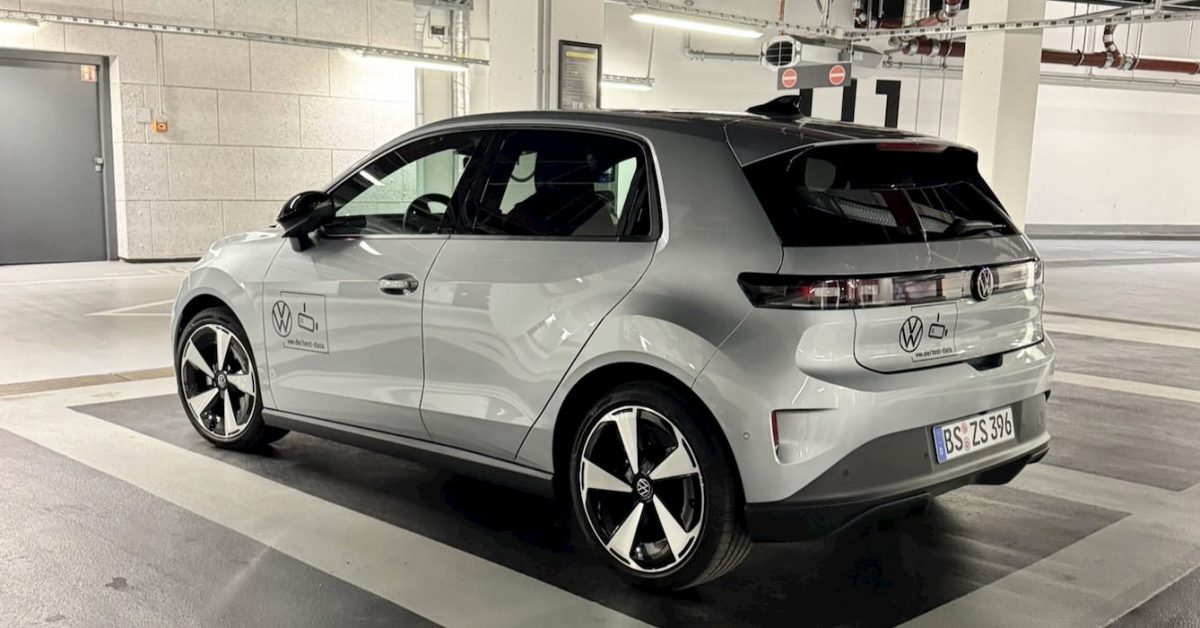
Volkswagen ID. Polo Sells Out With Ten Month Waitlist
High Initial Demand Triggers Extended Delivery Delays
Volkswagen’s newest entry-level electric vehicle, the ID. Polo, has experienced an extraordinary wave of consumer demand since order books officially opened. The compact electric hatchback has surpassed 30,000 early reservations, creating a massive backlog for the German automaker as buyers rush to secure affordable zero-emission transportation across European markets.
Dealership network sources confirm that available build slots across every trim level of the new hatchback have been entirely claimed. Customers placing new orders are currently being informed of delivery wait times extending to at least ten months, highlighting a surprisingly intense consumer appetite for lower-cost electric city cars in an evolving marketplace.
Official company statements acknowledge the enthusiastic reception from early buyers while noting that the unprecedented influx of order reservations has triggered longer delivery timelines than initially anticipated. Executive leadership emphasizes that managing this overwhelming interest requires swift operational adjustments to prevent potential order cancellations and maintain high levels of customer satisfaction.
Competitive Pricing Drives Strong Consumer Adoption
Pricing strategy has proven to be a decisive factor in the rapid sellout of the compact hatchback. The entry-level ID. Polo Trend model starts at €24,995, representing one of the most accessible price points for a fully electric vehicle produced by an established European legacy manufacturer in today’s competitive automotive landscape.
Equipped with a practical 37 kWh battery pack, the base model delivers a respectable WLTP-certified driving range of 334 kilometers, or roughly 207 miles, on a single charge. This range capability, coupled with modern charging performance, positions the vehicle as an ideal daily commuter for urban and suburban drivers seeking economical mobility.
Retail group representatives observe that mainstream vehicle buyers are increasingly eager to transition toward electric options once purchase costs align with household budgets. The combination of a familiar nameplate, functional interior packaging, and sub-€25,000 positioning has successfully lowered barriers to entry for drivers previously priced out of the EV market.
Production Ramps Up Across Shared Platform Models
To address the expanding backlog, Volkswagen is actively accelerating manufacturing operations at its key Martorell assembly plant in Spain. Production teams at the facility are currently working to optimize assembly line efficiency and boost overall daily output to meet higher-than-expected order volumes originating from dealerships across multiple major international consumer markets.
The Spanish manufacturing facility is also tasked with building sibling models constructed on the shared MEB Plus platform, including the Skoda Epiq and the Cupra Raval. Industry reports indicate that these sister vehicles are witnessing similarly high levels of consumer interest, compounding manufacturing capacity challenges across the shared modular architecture.
Adding further momentum to the small EV lineup, order books recently opened for the ID. Cross, an electric counterpart to the popular T-Cross crossover. Starting at €27,995 in key European markets, the compact electric SUV has also recorded robust initial inquiry levels, confirming strong market interest across the brand’s expanded entry-level lineup.
Countering Market Pressure From International Rivals
The rapid market acceptance of the ID. Polo comes during an intense period of competitive pressure for traditional European automakers. Aggressive expansion from international brands, particularly Chinese electric vehicle specialists like BYD, has forced legacy firms to accelerate their rollouts of affordable zero-emission vehicles or risk losing substantial regional market share.
By delivering practical electric city cars at accessible price thresholds, Volkswagen aims to protect its regional market dominance while defending high-volume product segments. Early order volumes indicate that traditional consumers remain highly receptive to established domestic brands when competitively priced options are introduced to directly combat lower-cost entrants arriving from overseas manufacturing hubs.
However, manufacturing lower-priced electric vehicles profitably poses a complex financial hurdle for auto executives. Narrow profit margins on sub-€25,000 models require strict cost management and high production volumes, placing significant pressure on the corporate balance sheet during a time of elevated raw material costs and volatile economic conditions.
Structural Reforms Support Long-Term Transformation
To support this ongoing technological transformation and secure financial stability, Volkswagen’s supervisory board recently formally approved its strategic Future Plan 2030 framework. The comprehensive corporate initiative outlines sweeping operational adjustments designed to trim operational expenditure, streamline vehicle architectures, and reallocate vital capital toward next-generation electric vehicle software, battery tech, and platform development.
Regulatory disclosures show that the strategic restructuring package includes scaling down redundant model variations, consolidating global assembly footprints, and implementing workforce reductions of up to 100,000 positions worldwide. Executive leadership views these aggressive measures as necessary structural changes to improve corporate profitability and bolster overall operating margins over the coming years.
Successfully balancing extensive corporate restructuring with severe order backlogs will define Volkswagen’s immediate strategic direction. Navigating ten-month waitlists while overhauling manufacturing networks demands precise execution, but strong early consumer demand for models like the ID. Polo proves that market appetite for accessible electric mobility remains higher than ever in today's changing auto market.