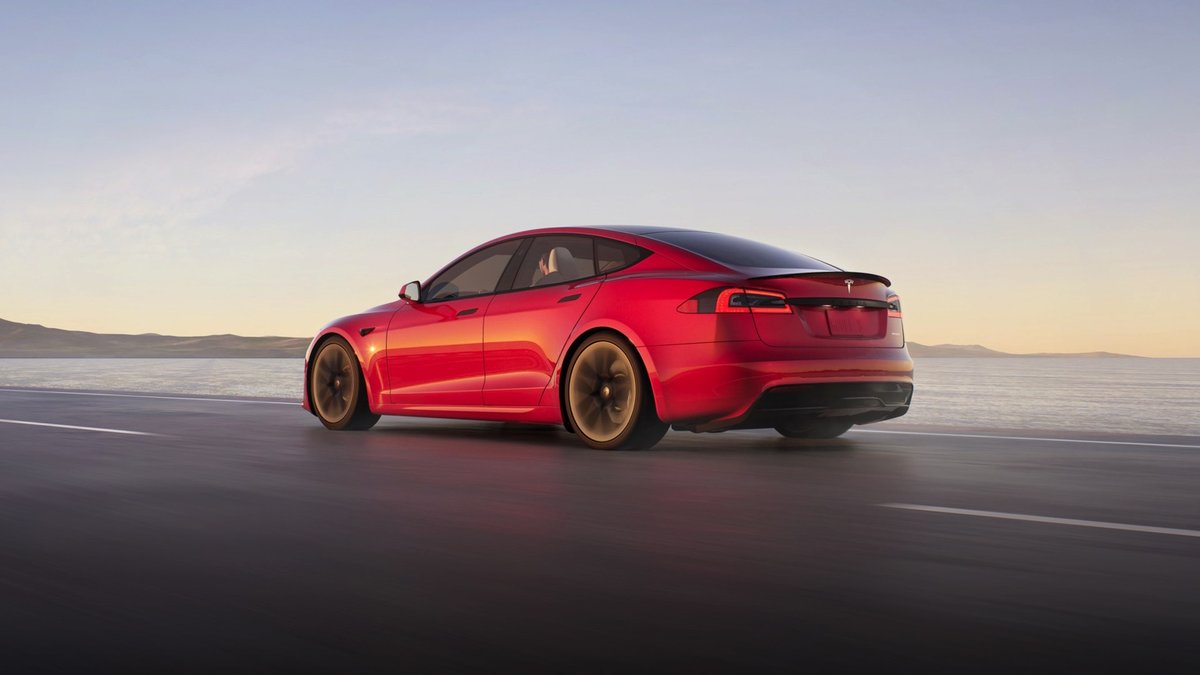
The 2026 Tesla Model S Dual Motor continues to set benchmark standards for luxury electric sedans operating in challenging environments. Utilizing independent electric motors on both front and rear axles, the vehicle delivers instantaneous all-wheel drive performance without mechanical linkages. Official company disclosures indicate that this architecture optimizes real-time power distribution, allowing the flagship sedan to navigate rain, ice, and heavy snow with exceptional composure.
Unlike traditional internal combustion engine vehicles that rely on complex transfer cases, the electric powertrain modulates output thousands of times per second. Engineering data reveals that digital torque vectoring adjusts wheel speed before slip occurs, creating unparalleled stability across varying friction surfaces. This digital control infrastructure ensures that driver inputs translate directly into secure forward momentum, regardless of severe ambient weather conditions.
Winter Performance and Sub-Zero Handling
During extensive low-mu surface testing on packed snow and glare ice, the dual-motor configuration demonstrates remarkable adaptability. The front induction motor and rear permanent magnet motor work in tandem to maintain directional stability, even under aggressive acceleration. Industry analysts note that the system continuously calculates ideal wheel slip ratios, neutralizing potential oversteer before the driver detects any loss of lateral traction.
Regenerative braking on low-friction surfaces historically posed challenges for electric vehicles, but refined control algorithms have mitigated wheel lockup risk. Regulatory filings highlight updated anti-lock braking protocols that seamlessly blend physical friction braking with motor deceleration during emergency stops on ice. This synchronized braking approach keeps the chassis balanced and reduces stopping distances dramatically compared to legacy all-wheel drive luxury vehicles.
Thermal management plays a vital role in maintaining traction capabilities during sub-zero operational cycles. Official company disclosures confirm that the octovalve heat pump system actively preconditions the battery pack while routing waste heat to critical drivetrain components. Consequently, full power availability for all-wheel drive torque distribution remains uncompromised, avoiding the performance degradation commonly observed in unconditioned battery systems during winter weather.
Rain and High-Speed Wet Surface Dynamics
Navigating heavy rain and standing water presents unique hydroplaning risks, which the Model S mitigates through dynamic suspension and chassis tuning. Engineering data indicates that the adaptive air suspension automatically adjusts ride height and damping rates when moisture sensors detect standing water. This elevation change reduces underbody drag while maintaining optimal tire contact patches, preserving high-speed tracking during torrential downpours.
Mechanical dynamic stability systems often suffer from lag caused by hydraulic actuation delays in wet cornering maneuvers. In contrast, the dual-motor setup processes sensor feedback instantly, reducing power output to slipping wheels within milliseconds. Industry analysts emphasize that this millisecond response latency prevents hydroplaning vectors from developing, keeping the vehicle planted during sudden lane changes on rain-slicked highways.
Tire selection remains critical for maximizing wet surface performance, and factory-fitted low rolling resistance tires have been optimized for wet grip. Regulatory filings show that bespoke rubber compounds engineered for the 2026 model year enhance lateral grip coefficients on wet asphalt. Combined with micro-adjustments from the dual motors, the sedan delivers crisp turn-in response without front-end pushing.
Real-World Efficiency and Range Impact
Operating twin motors in low-traction environments requires continuous energy output, yet efficiency metrics remain impressive. Engineering data confirms that the rear permanent magnet motor handles cruising duties to maximize range, while the front induction motor engages seamlessly when slip is detected. This asymmetrical motor strategy preserves operational efficiency, delivering strong range performance even during extended winter highway journeys.
Suspension geometry plays an equally vital role when navigating deep slush or unplowed municipal roadways. Official company disclosures reveal that the high-clearance setting on the adaptive air suspension provides extra ground clearance, preventing underbody high-centering in heavy snowfall. This variable height control ensures that drive units remain protected from packed ice accumulations, maintaining consistent structural integrity.
Software Integration and Predictive Dynamics
Software intelligence elevates the mechanical hardware of the 2026 Model S, leveraging fleet-wide sensor learning to anticipate road conditions. Industry analysts point out that neural network models analyze real-time wheel speed differentials across thousands of active vehicles to refine slip prediction algorithms. As a result, software updates continuously improve how the vehicle distributes power across low-friction surface transitions.
The vehicle central computer continuously evaluates ambient temperature, tire pressure variance, and steering angle rates to infer surface grip levels. Regulatory filings highlight how this predictive modeling adjusts throttle sensitivity before the driver encounters visible ice patches. By adjusting torque output proactively, the vehicle minimizes wheel spin entirely, preserving driver confidence in unpredictable mountain passes.
Market Positioning and Ownership Value
While the high-performance tri-motor Plaid variant garners headlines for raw acceleration, the Dual Motor variant offers superior practical efficiency for all-weather commuters. Industry analysts confirm that the dual-motor architecture achieves better energy conservation in freezing temperatures due to reduced idle mechanical drag. For buyers in northern latitudes, this balance of efficiency and relentless winter traction represents the optimal value proposition.
Ultimately, the 2026 Tesla Model S Dual Motor demonstrates how software-defined hardware redefines winter driving capability. By integrating dual independent motors, predictive stability algorithms, and advanced thermal management, the sedan masters harsh climates effortlessly. Official company disclosures reinforce that continuous software refinement will keep this platform at the forefront of all-weather electric mobility for years to come.