SONDORS E-Bike Return Takes Weird Turn As Mystery Teaser Shifts
The narrative surrounding the sudden resurgence of SONDORS has taken another baffling turn. Just as light electric vehicle enthusiasts braced for a long-awaited product reveal, the company managed to raise far more questions than answers. Rather than launching a new production model, the brand refreshed its digital storefront with a message that left industry watchers thoroughly perplexed.
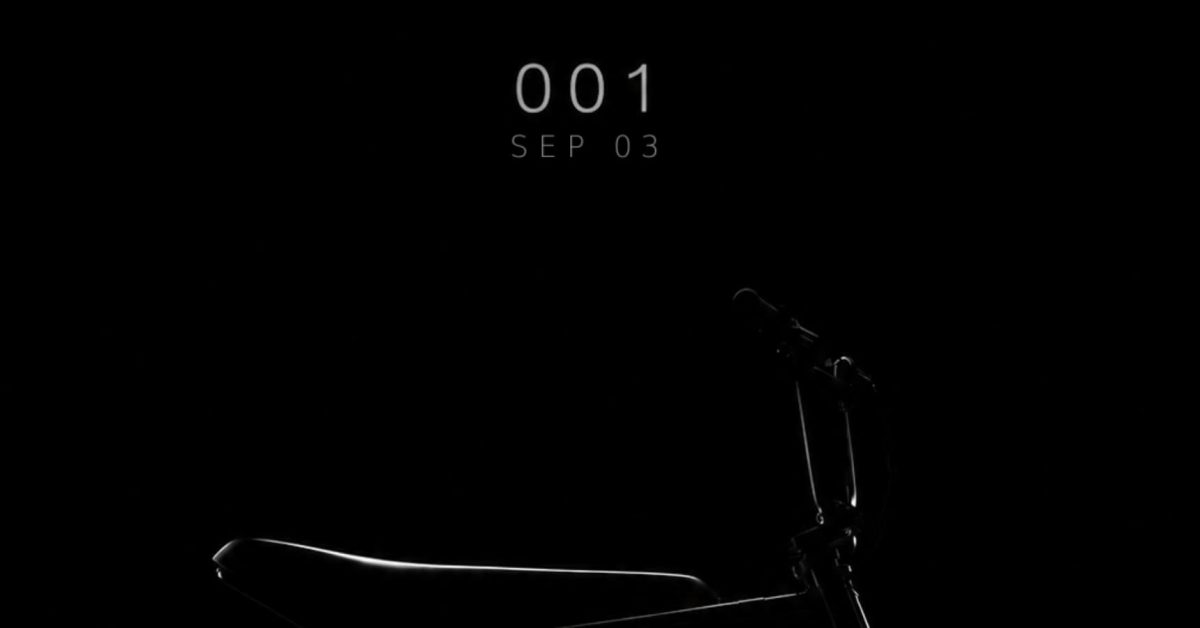
Only a couple of weeks ago, observers noticed activity on the company's official domain teasing an enigmatic vehicle known simply as the 001. A darkened image provided subtle hints of a lightweight two-wheeler, accompanied by a bold promise pointing directly toward a September 3 reveal. Fans expected concrete specifications, pricing structures, and order availability once that target date finally arrived.
A Missed Deadline and Two Cryptic Words
Instead of a grand unveiling on September 3, the target date quietly vanished from the website. In its place, visitors were greeted with a stark new proclamation stating that the list was officially closed. The abrupt shift offered no formal press announcement, technical details, or explanation regarding whether the anticipated vehicle would ever enter full production.
Adding to the mystery, a small support tab appeared tucked into the corner of the homepage. Upon opening this interface, users found basic contact info alongside perhaps the most audacious two-word phrase possible from the revived brand: "No promises." For long-time followers of the company, that particular disclaimer carried an unmistakable weight of historical irony.
Industry analysts point out that launching a product campaign with an explicit lack of commitment is unprecedented even in the unpredictable direct-to-consumer mobility sector. The cryptic message has sparked intense debate regarding whether the company is preparing an unconventional reservation system or simply poking fun at its own tumultuous operational history.
The Rise and Fall of a Crowdfunding Pioneer
To understand why two words caused such a stir, one must examine the history of founder Storm Sondors. During the early days of the micro-mobility boom, the brand became a dominant player by offering low-cost fat-tire electric bicycles. Flashy crowdfunding campaigns catapulted the company into mainstream consciousness, delivering thousands of affordable rides to eager early adopters.
By bypassing traditional retail dealerships, the brand achieved remarkably aggressive price points that disrupted the wider bicycle market. Their marketing strategy relied heavily on viral social media momentum, generating massive customer waitlists for upcoming models. For several years, this high-volume approach positioned the company as a pioneering power in direct-to-consumer transit solutions.
However, rapid growth brought persistent operational headaches. Deliveries frequently suffered from severe timeline slippages, component substitutions, and communication gaps between customer support and factory floors. Over time, consumer protection filings and public regulatory disclosures highlighted an increasing pattern of unfulfilled delivery dates, unpaid vendors, and mounting buyer frustration across multiple product launches.
The Metacycle Saga and Receivership Fallout
The brand's ambitions peaked with the reveal of the Metacycle, an innovative urban electric motorcycle priced at an astounding five thousand dollars. The futuristic aluminum unibody design captured global media attention, promising highway speeds and respectable range at a fraction of the cost of competing electric motorcycles. Thousands of prospective buyers rushed to place non-refundable deposits.
What followed was a protracted saga of manufacturing delays, shifting engineering specifications, and unexpected shipping surcharges levied on buyers. While some early reservation holders eventually received their bikes, many others were left empty-handed as the company struggled to scale assembly lines and secure necessary working capital during broader economic headwinds.
Financial instability ultimately reached a breaking point in late 2023 when the company entered formal receivership. Industry filings revealed substantial debts owed to suppliers, logistics partners, and prospective customers. The brand appeared completely defunct, leaving behind a cautionary tale about the perils of hyper-aggressive hardware crowdfunding without robust operational infrastructure.
What We Know About the Mysterious 001
Given that recent insolvency, the sudden reappearance of the website sparked intense scrutiny across mobility circles. Artificial image enhancement of the 001 teaser suggests a compact, moped-style electric vehicle or ultra-light commuter motorcycle. Featuring a minimalist frame and heavy-duty suspension elements, the design appears targeted at the burgeoning urban utility segment.
Without official technical datasheets, it remains unclear whether the 001 represents a completely new platform or an unreleased prototype salvaged from previous development cycles. Market observers speculate that any potential comeback would require entirely restructured financing and third-party manufacturing partnerships to rebuild consumer trust after past operational failures.
For now, prospective buyers are left navigating familiar ambiguity. The shift from a concrete launch date to a closed list accompanied by a disarming disclaimer underscores the unpredictable nature of the brand's narrative. Whether the 001 matures into a real product or remains an enigmatic digital stunt, the company has once again managed to captivate the electric vehicle industry.