Chinese Electric Vehicles Score Top Euro NCAP Safety Ratings
Dispelling Myths Surrounding Chinese Automotive Safety
Persistent skepticism has long dogged Chinese automakers entering Western markets, with critics dismissing imported electric vehicles as structurally inferior or inherently unsafe compared to domestic offerings. However, actual crash testing data continues to challenge this narrative. The latest safety evaluations demonstrate that Chinese vehicle design has matured rapidly, outperforming long-held prejudices through rigorous engineering and modern occupant protection systems.
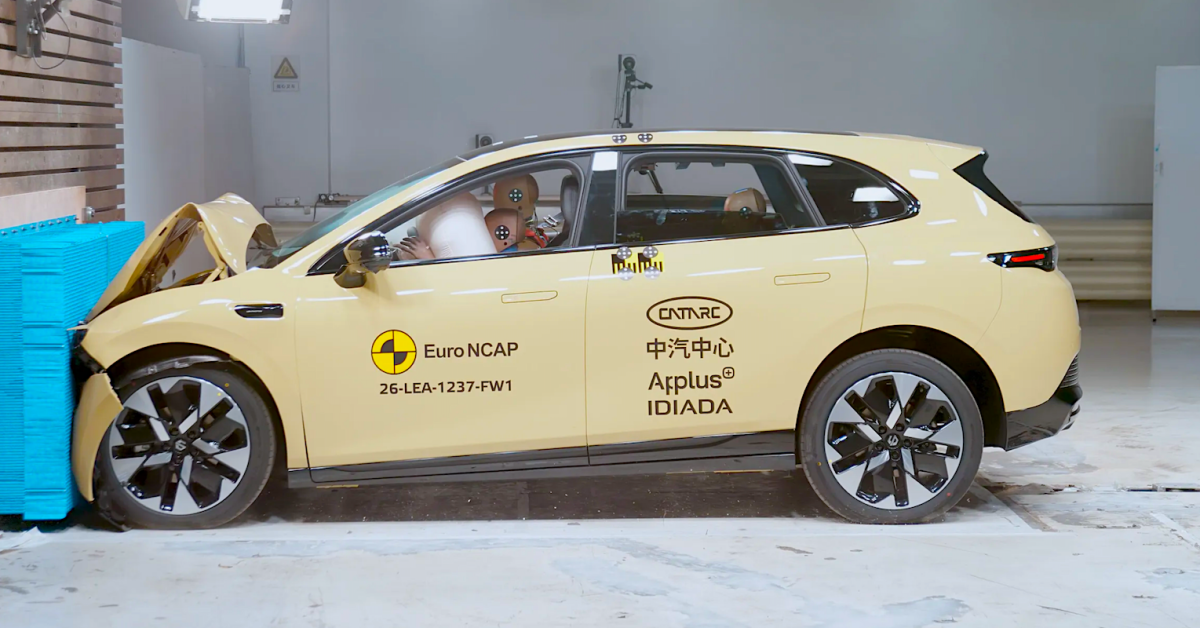
In the latest round of vehicle assessments, three new electric models from prominent Chinese manufacturers earned the maximum five-star rating from the European New Car Assessment Programme. Models from GAC, Geely, and Leapmotor passed demanding crash scenarios with flying colors, proving that modern Chinese EVs are built to meet or exceed the most stringent global vehicle safety benchmarks currently enforced.
Understanding the Rigor of European Safety Testing
Achieving a top rating in European safety testing is no small feat for any automotive manufacturer. Industry experts frequently point out that European testing protocols are substantially more demanding than those in North America. While American federal regulations allow carmakers to self-certify compliance across many criteria, European testing organizations conduct independent, exhaustive physical crash evaluations paired with comprehensive active safety system reviews.
Historic trade studies commissioned by automotive industry groups revealed that European vehicles were roughly 33 percent safer regarding serious injury risks in common front-side collisions compared to their American counterparts. Over the past decade, European safety criteria have evolved even faster, adding tough requirements for vulnerability detection, child presence sensing, and post-crash safety that require advanced sensors and structural engineering.
Official statements from safety testing directors emphasize that these latest scores reflect a deliberate effort by Chinese brands to align with European expectations. Manufacturers are actively investing in advanced safety architectures, robust crash avoidance software, and structural reinforcements specifically tailored to clear high-bar international safety audits, effectively closing any historical performance gap with legacy Western automakers.
Breaking Down the Five-Star Performers
Among the newly rated models is the GAC Aion UT, a compact electric family hatchback designed to compete directly against European rivals like the Mini Aceman and Volkswagen ID series. Despite GAC being a relatively new player on the continental stage, the Aion UT delivered an exceptionally well-rounded performance across all four primary testing phases during its formal evaluation process.
The Aion UT secured an impressive 91 percent score in occupant crash protection, backed by robust post-crash safety protocols and efficient emergency response systems. Its suite of automated crash avoidance technology performed reliably across nearly all driving scenarios, showing only minor limitations during specific junction-crossing monitoring tests involving oncoming motorcycles and cross-traffic scenarios.
Geely also demonstrated strong engineering credentials with its E2 hatchback, which is already a high-volume seller in its domestic market. Earning five stars overall, the compact EV delivered high-level occupant defense across varied impact configurations. Testers highlighted Geely’s decision to retain physical controls for key driving commands and infotainment, which contributed to an 80 percent score in ergonomic safety.
Furthermore, the Geely E2 earned additional accolades by including direct Child Presence Detection as standard equipment. This technology alerts drivers if a child or pet remains inside a locked cabin, addressing a vital safety focus area that regulatory authorities have prioritized in recent testing cycles. Such features demonstrate how Chinese automakers are integrating high-end safety features into entry-level electric vehicles.
Global Partnerships and the Changing EV Landscape
Rounding out the trio of top performers is the Leapmotor B05, a family hatchback developed in partnership with multinational automotive giant Stellantis. Positioned to take on mainstay European vehicles such as the Volkswagen Golf and Renault Megane, the B05 showcased structural rigidity and comprehensive driver-assistance systems that matched established European benchmarks during high-speed collision simulations.
Leapmotor’s achievement underscores the strategic importance of international joint ventures. By pairing Chinese manufacturing efficiency and battery technology with global distribution networks, these brands are proving that affordable electric vehicles do not require compromises in structural integrity or passive crash protection. The strong testing scores validate these joint ventures on a global engineering level.
These results mark a decisive shift in the global automotive industry narrative. For years, skeptics argued that low-cost imports achieved competitive pricing by cutting corners on vehicle safety and structural materials. Independent testing data now directly refutes those claims, proving that modern Chinese electric vehicle platforms are among the safest personal transportation options available on consumer markets today.
What High Safety Ratings Mean for Western Markets
As Chinese automakers continue to earn top marks in rigorous international crash tests, consumer perceptions are expected to shift significantly. While trade tariffs and regulatory barriers still restrict entry into certain North American markets, European adoption proves that buyers are increasingly comfortable choosing Chinese-built electric vehicles when backed by verified five-star safety credentials.
Ultimately, the latest crash test evaluations provide clear proof that safety innovation is no longer dominated solely by legacy Western brands. With GAC, Geely, and Leapmotor demonstrating top-tier crashworthiness and collision avoidance, the global EV market faces a newly elevated standard of competition that benefits drivers worldwide through safer, more technologically advanced automobiles.