
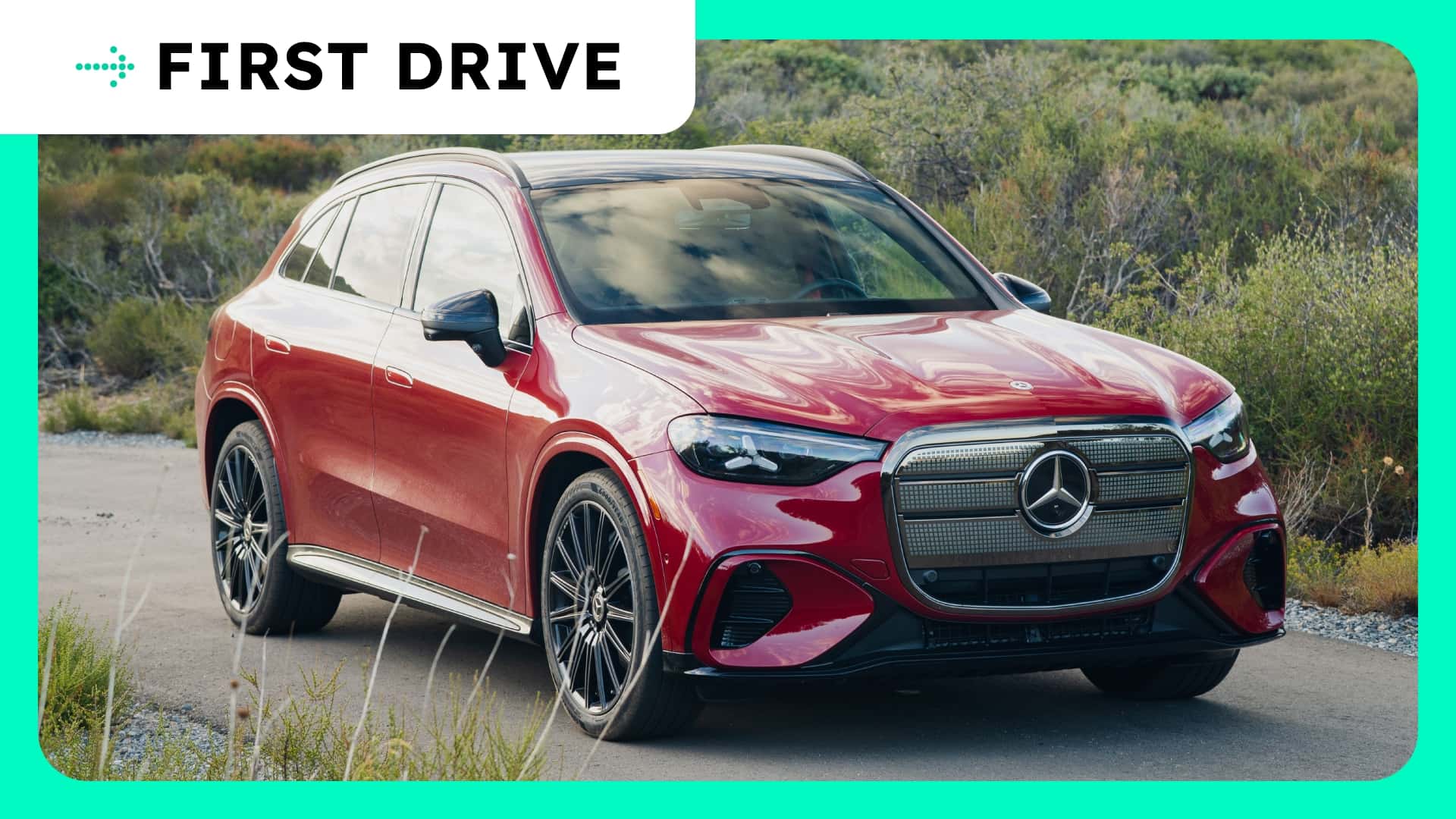
2027 Mercedes GLC 400 Electric Review: Premium EV Perfection
Mercedes-Benz is officially entering its third generation of electric mobility, marking a decisive shift away from its early experimental designs. The previous EQ lineup struggled with polarizing aerodynamics and inconsistent software performance that failed to win over brand loyalists. With the arrival of the 2027 GLC 400 4Matic Electric, the German automaker appears to have rectified those missteps, producing what analyst reports call its most complete EV yet.
While the compact CLA EV captured early headlines, the electric GLC represents the true centerpiece of the manufacturer's electrification roadmap. American luxury car buyers have overwhelmingly migrated away from traditional sedans in favor of premium crossovers. Built upon the brand's dedicated MB.EA platform, this midsize utility vehicle targets the most profitable segment of the global automotive marketplace with purpose-built 800-volt engineering.
Next-Generation Engineering and Drivetrain Capabilities
Underneath its sleek bodywork, the GLC 400 4Matic features a sophisticated dual-motor powertrain capable of generating 483 horsepower and 590 pound-feet of torque. The instant delivery of electric power propels the substantial crossover effortlessly from a standstill, ensuring effortless passing maneuverability at highway speeds. The advanced 800-volt electrical architecture allows for significantly reduced charging times at public high-power direct-current fast stations.
Efficiency takes center stage through innovative mechanical solutions rarely seen in rival electric crossovers. The rear electric motor incorporates a two-speed transmission designed to optimize energy consumption during high-speed cruising. Additionally, the front motor can mechanically disengage from the drive axle when power demands are low, effectively transforming the vehicle into a rear-wheel-drive cruiser to maximize real-world driving range.
On the road, the driving dynamics benefit from refined software calibration and intuitive controls. Mercedes has finally implemented true one-pedal driving capability, allowing drivers to bring the vehicle to a complete halt using regenerative braking alone. The traditional start-stop button has also been eliminated, enabling drivers to simply enter the cabin, select a gear, and smoothly pull away.
Luxury Cabin Architecture and Cutting-Edge Software
Step inside the cabin, and the GLC surrounds occupants in high-tech opulence. The interior features massaging multi-contour seats, customizable multi-color ambient lighting, and an immersive Burmester surround-sound system complete with Dolby Atmos support. Mercedes design cues are prominently featured throughout the interior glass and trim elements, including dozens of tiny three-pointed star patterns embedded directly within the glass panoramic roof panel.
The software experience represents a massive leap forward over previous infotainment iterations. The central interface integrates artificial intelligence agents leveraging technology from Google, Microsoft, and OpenAI to answer natural language questions about vehicle functions and navigational destinations. Passengers can also stream video content or engage with built-in gaming applications directly from the center display while parked or charging.
Not all design choices hit the mark equally well. Industry filings highlight an optional fully digital light-up front grille that projects an illuminated star motif across the front fascia. While designed to make a bold visual statement, the feature can feel overly theatrical compared to the otherwise sophisticated exterior lines. Fortunately, buyers seeking a subtler aesthetic can retain the standard non-illuminated front fascia.
Pricing Breakdown and Market Strategy
Pricing for the 2027 GLC 400 4Matic Electric begins at an accessible $64,950 before options and destination charges. However, selecting premier package options quickly elevates the sticker price. Comprehensive test models featuring high-end audio, massage functionality, advanced lighting packages, and automated driving systems topped out at $89,270, placing the crossover in direct competition with top-tier luxury electric vehicles.
This strategic pricing allows Mercedes to capture both entry-level luxury EV buyers and affluent enthusiasts seeking maximum tech integration. By offering high levels of customization, the automaker effectively bridges the gap between midsize utility and high-end luxury. Market research indicates this flexible approach will help attract conquest buyers from established electric competitors across North America.
Advanced Driver Assistance and Real-World Range
During extensive testing across 300 miles of diverse terrain—encompassing steep mountain passes, unpaved secondary roads, and heavy urban traffic—the GLC demonstrated exceptional composure. The adaptive suspension soaked up road imperfections effortlessly while maintaining flat cornering stability through tight turns. Steering precision was equally impressive, providing communicative feedback despite the crossover's substantial curb weight.
The crossover also showcases the automaker's latest suite of advanced driver assistance systems. High-definition camera arrays and radar sensors enable seamless hands-free highway cruising, precise lane changes, and automated parking maneuvers. Robust over-the-air software updating capabilities ensure these safety features and navigational algorithms remain continuously updated throughout the vehicle's lifespan without requiring service visits.
Verdict: The Fine-Tuned Future of Mercedes EVs
With the 2027 GLC 400 Electric, Mercedes has successfully shaken off the awkward growing pains of its early electric vehicle initiatives. By pairing legitimate engineering innovations—such as its two-speed rear axle and 800-volt hardware—with an ultra-luxurious cabin and usable driver technology, the company has delivered its most convincing EV to date. It sets a high standard for the luxury crossover segment moving forward.
