
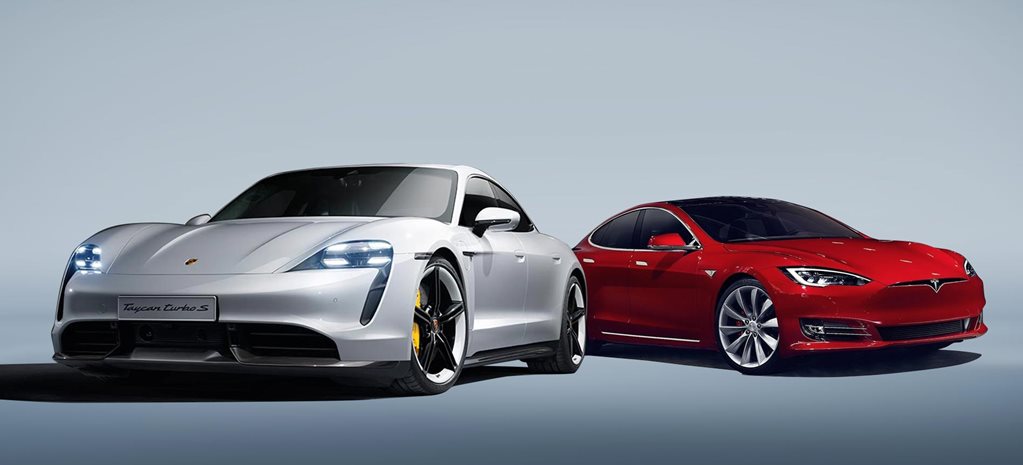
Judge Denies Porsche Arbitration Request in Taycan Battery Suit
A federal judge has denied Porsche's attempt to dismiss a major class-action lawsuit over alleged battery fire risks in its Taycan lineup. The luxury automaker sought to force the dispute into private arbitration citing fine-print agreements. However, the ruling allows litigation to proceed in court, marking a setback for Porsche as legal pressure intensifies over its flagship EV.
The lawsuit represents owners and lessees of 2020 through 2024 Porsche Taycan models across all variants and trim levels. According to court filings and regulatory disclosures, plaintiffs allege that the vehicle's high-voltage energy storage system contains critical design defects. These flaws allegedly make the battery cells susceptible to short circuits, thermal runaway, and catastrophic electrical fires during standard operation.
Legal Defeat for Porsche as Class Action Lawsuit Advances
In denying the motion to dismiss, the court ruled that arbitration clauses in vehicle purchase agreements could not block class-wide judicial proceedings. Although the judge dismissed several minor ancillary claims, the primary cause of action survived. The decision forces Porsche to defend its EV safety record in open court rather than behind closed doors in confidential arbitration proceedings.
Legal analysts suggest the ruling highlights growing judicial skepticism toward mandatory arbitration waivers in consumer contracts when public safety is concerned. Vehicle purchase agreements often require buyers to waive class-action rights and submit disputes to private arbitrators. By allowing this lawsuit to move forward, the court provides Taycan owners a significant platform to seek comprehensive legal remedies.
The continuation of the case means Porsche will enter the formal pre-trial discovery process. This legal phase allows plaintiff attorneys to request internal communications, technical documentation, and battery testing data from the automaker. Discovery could reveal precisely when Porsche engineers became aware of battery architecture vulnerabilities and how executive leadership responded to emerging safety reports.
Core Allegations Surrounding the High-Voltage Battery Pack
At the core of the litigation is the Taycan’s sophisticated 800-volt high-voltage battery architecture, engineered for rapid acceleration and rapid charging. Plaintiffs contend that despite its advanced performance metrics, the high-voltage system harbors latent defects that compromise cell integrity. Court records cite multiple reported instances of sudden power loss, battery degradation, and thermal incidents in garaged vehicles.
Drivers involved in the suit report that battery failures occur without adequate warning, putting motorists at risk of severe vehicle damage or personal injury. Industry filings note that high-voltage EV battery fires present severe hazards for emergency responders due to thermal runaway. Thermal runaway causes battery packs to burn at extreme temperatures, making fires exceptionally difficult to extinguish.
Plaintiffs assert that Porsche marketed the Taycan as a premier high-performance vehicle while withholding known risks associated with its energy storage system. The complaint alleges that the company prioritized rapid market deployment over long-term component durability. Consequently, owners claim they paid luxury prices for vehicles that suffer from compromised safety profiles and reduced everyday usability.
Previous Safety Recalls and Interim Fixes Draw Severe Criticism
The judicial decision comes after Porsche conducted three separate safety recalls addressing high-voltage battery modules in Taycan vehicles. Regulatory records confirm the manufacturer identified internal short-circuiting risks within specific battery cell configurations. However, rather than replacing defective battery modules across all affected vehicles, Porsche opted for software monitoring updates and operational guidelines to manage thermal stress.
As part of its interim mitigation strategy, Porsche instructed Taycan owners to limit battery charging levels to a maximum of 80 percent capacity. While this measure aims to minimize thermal overload risks, vehicle owners argue it significantly reduces available driving range. Plaintiffs maintain that capping charge capacity deprives them of the advertised range performance for which they paid.
This operational restriction contrasts sharply with how competing EV manufacturers handled similar battery defect crises. When faced with widespread battery fire risks, rival automakers initiated comprehensive recall programs to replace entire high-voltage battery packs at immense cost. Porsche’s reliance on software diagnostics and temporary charging caps has left many Taycan owners demanding full hardware-based replacements.
Potential Financial and Brand Consequences for the Luxury Brand
The legal battle now moves toward expert witness testimony and class certification, placing substantial financial pressure on the manufacturer. If the court orders a comprehensive battery replacement program, Porsche could face billions of dollars in repair costs, supply logistics, and compensation payouts. Replacing tens of thousands of complex 800-volt battery assemblies represents a massive operational challenge.
Beyond immediate financial liabilities, ongoing litigation poses a serious threat to Porsche’s brand reputation in the electric mobility sector. The Taycan served as the foundation for the brand’s electrification strategy, establishing its technological credibility against rival luxury electric vehicles. Persistent publicity regarding battery fires and court defeats risks eroding consumer confidence as Porsche expands its EV portfolio.
Furthermore, resale values for used Taycan models could suffer if battery reliability concerns remain unresolved in the public domain. Automotive analysts note that luxury EV consumers place immense value on residual value and peace of mind. As the class action proceeds, Porsche faces growing pressure to address core battery hardware issues permanently to retain buyer trust.
