
US Debuts First Grid-Connected Wave Energy Test Site
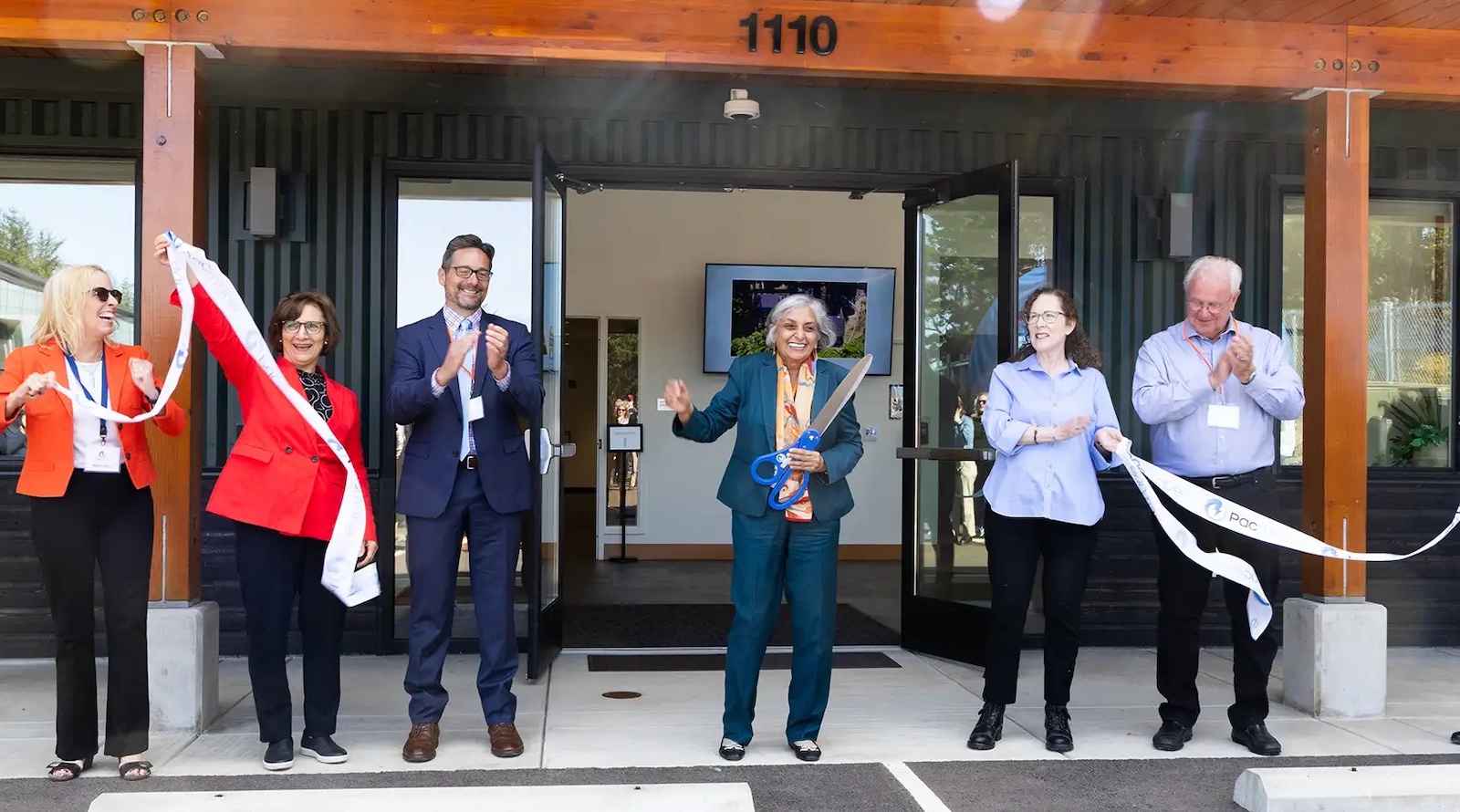
The commercial marine energy sector achieved a transformative milestone off the coast of Oregon. Led by Oregon State University in partnership with the National Laboratory of the Rockies and funded by federal hydrokinetic programs, officials unveiled PacWave South. This pioneering initiative stands as the nation’s first grid-connected, pre-permitted open-ocean proving ground, establishing a critical foundation for utility-scale wave power development across North America.
For more than 15 years, ocean engineers, regulatory authorities, and energy researchers worked to bring the ambitious marine facility to life. Located near the commercial port of Newport, Oregon, the test bed offers energy developers unprecedented access to high-energy wave conditions. This newly minted operational site provides a controlled yet rigorous marine environment capable of accelerating clean technology deployments.
A Historic Milestone for Commercial Marine Power
Marine energy has long lagged behind solar and wind power due to severe ocean environments and high capital requirements. The ribbon-cutting of PacWave South fundamentally changes this dynamic by offering a dedicated facility where experimental devices undergo real-world stress tests. Industry leaders highlight that having a fully accredited offshore facility represents a monumental shift toward commercializing ocean-based power.
Unlike smaller prototype testing operations, PacWave South is engineered specifically for utility-scale wave energy converters designed for commercial energy grids. The facility integrates extensive subsea infrastructure directly into terrestrial electrical grids. This operational setup allows engineers to simultaneously evaluate structural endurance and real-time power conversion under tough open-ocean conditions off the Pacific Northwest coastline.
Understanding the PacWave South Infrastructure
The technical layout of PacWave South features four main berths tailored for severe oceanic conditions. Each berth includes a dedicated 5-megawatt subsea transmission cable running directly to an onshore utility connection and monitoring facility near Driftwood Beach State Park. These individual lines ensure that performance data and high-voltage electricity flow safely between underwater converters and mainland power lines.
When fully operating across all four designated test berths, PacWave South can deliver up to 20 megawatts of clean electricity directly to the regional electrical grid. This massive throughput allows developers to test individual devices or full arrays under identical ocean forces. Marine engineers can continuously benchmark energy conversion rates against real-time wave heights, currents, and seasonal weather patterns.
Cutting Through Federal Regulatory Red Tape
One of the greatest hurdles facing marine technology startups has traditionally been the complex regulatory approval process. Obtaining federal permits for open-ocean testing frequently requires millions of dollars and years of environmental impact studies. PacWave South addresses this barrier by operating under a comprehensive 25-year Federal Energy Regulatory Commission operating license that drastically simplifies developer access.
Because the entire test bed is pre-permitted to host up to 20 wave energy converters concurrently, developers can skip lengthy environmental assessment cycles. Companies can focus resources directly on system engineering and offshore deployment rather than navigating redundant bureaucratic filings. Official press releases emphasize that this streamlined framework dramatically shortens the timeline required to take prototype designs to market.
Bridging the Commercialization Valley of Death
Moving marine energy concepts from laboratory wave tanks into unpredictable ocean waters is notoriously risky. Industry analysts often refer to this capital-intensive phase as the commercialization valley of death. By pairing pre-permitted ocean berths with funded land-based testing facilities at national laboratory campuses, energy programs offer a structured pathway to help marine startups survive this transition.
Through foundational partnerships, public funding mechanisms cover initial wave-tank and hardware testing before devices ever touch open water. Once verified onshore, technology developers can utilize PacWave South to prove structural survival and grid integration under operational loads. This dual-phase approach minimizes financial exposure while verifying electrical output stability for commercial utility partners and prospective private investors.
Technical support provided by national laboratories has been essential in establishing standardized testing parameters for the facility. Researchers contributed decades of power systems integration experience, ensuring subsea cabling, power conditioning, and environmental monitoring systems comply with international standards. This rigorous technical foundation guarantees that performance measurements collected at the site carry global credibility.
The Future of Clean Energy Harvesting Off Oregon
The launch of PacWave South positions Oregon as a global epicenter for marine renewable energy innovation. As climate goals mandate diverse clean power generation, marine energy offers a predictable, highly dense energy source that complements fluctuating solar and wind generation profiles. Ocean currents and seasonal swell patterns along the Pacific Coast provide consistent energy harvesting potential throughout the year.
Looking ahead, data harvested from devices operating at PacWave South will directly inform next-generation materials science, subsea umbilical cable engineering, and autonomous marine robotics maintenance strategies. As commercial wave arrays demonstrate long-term structural reliability and economic viability off Newport, the broader marine renewables industry moves significantly closer to utility-scale commercial adoption across global coastal markets.
With infrastructure operational and pre-permitted berths available, the marine energy sector enters an unprecedented era of rapid field iteration. PacWave South stands ready to transform raw ocean power into a resilient clean energy asset, delivering sustainable electricity directly to consumers while establishing a world-class standard for offshore renewable technology validation.
