The global automotive industry has reached a pivotal milestone in 2026 as major vehicle manufacturers deploy next-generation small electric vehicle architectures targeting the $25,000 price point. These advanced engineering platforms combine ultra-efficient powertrains with simplified assembly processes to make mass-market electrification economically viable. Engineering data indicates that these compact vehicle architectures reduce total production costs by over thirty percent compared to previous iterations.
Achieving price parity with traditional internal combustion engine vehicles has long been considered the Holy Grail for zero-emission mobility. Industry analysts confirm that the latest sub-$25,000 electric platforms rely heavily on modular structural designs and streamlined component integration. By re-engineering fundamental vehicle foundations, automotive manufacturers are finally closing the affordability gap while maintaining competitive driving ranges and modern consumer features.
Official company disclosures emphasize that these dedicated small platforms do not compromise on vehicle safety or occupant space. High-efficiency interior packaging and optimized wheelbase proportions allow these subcompact models to offer interior dimensions rivaling midsize sedans. Consequently, these newly introduced architectures are set to redefine entry-level consumer expectations across North America, Europe, and Asia.
Breakthrough Battery Chemistry and Integration
At the core of the new $25,000 EV platforms is a strategic shift toward lower-cost battery chemistries and advanced pack-to-chassis structural design. Engineering data reveals widespread adoption of lithium iron phosphate and manganese-enhanced LFP cells, which offer superior durability at significantly lower material costs. Integrating these cells directly into the vehicle frame eliminates redundant packaging hardware, effectively offsetting the energy density trade-offs.
Thermal management innovations have also unlocked faster DC fast-charging capabilities for these budget-friendly architectures. Regulatory filings show that next-generation thermal loops utilize simplified heat pump circuits and direct-cell cooling plates, allowing 10-to-80 percent charge times under twenty minutes. This improved efficiency minimizes overall battery capacity requirements, permitting OEMs to use smaller, lighter packs without sacrificing real-world driving range.
Localization of battery cell production has further helped auto manufacturers mitigate trade tariffs and global logistics bottlenecks. According to official company disclosures, regional supply chains established near final assembly plants have reduced logistics overhead by up to fifteen percent per vehicle. These localized networks ensure steady material delivery while protecting entry-level vehicle margins from volatile currency shifts.
Modular Manufacturing and Cost Reduction
Beyond battery technology, modern assembly processes have fundamentally restructured entry-level vehicle manufacturing economics. Industry analysts highlight the widespread implementation of large-scale single-piece structural castings, which replace dozens of traditionally stamped metal components. This radical reduction in body-in-white parts drastically cuts assembly line footprint, capital investment requirements, and robotic welding cycles across primary manufacturing facilities.
Automakers are also adopting unboxed manufacturing methodologies, assembling sub-components in parallel before joining them in a final streamlined process. Engineering data demonstrates that painting vehicle sections independently before final joinery reduces total factory painting costs by nearly forty percent. This parallel build sequence decreases overall factory throughput time while significantly boosting annual vehicle production capacities.
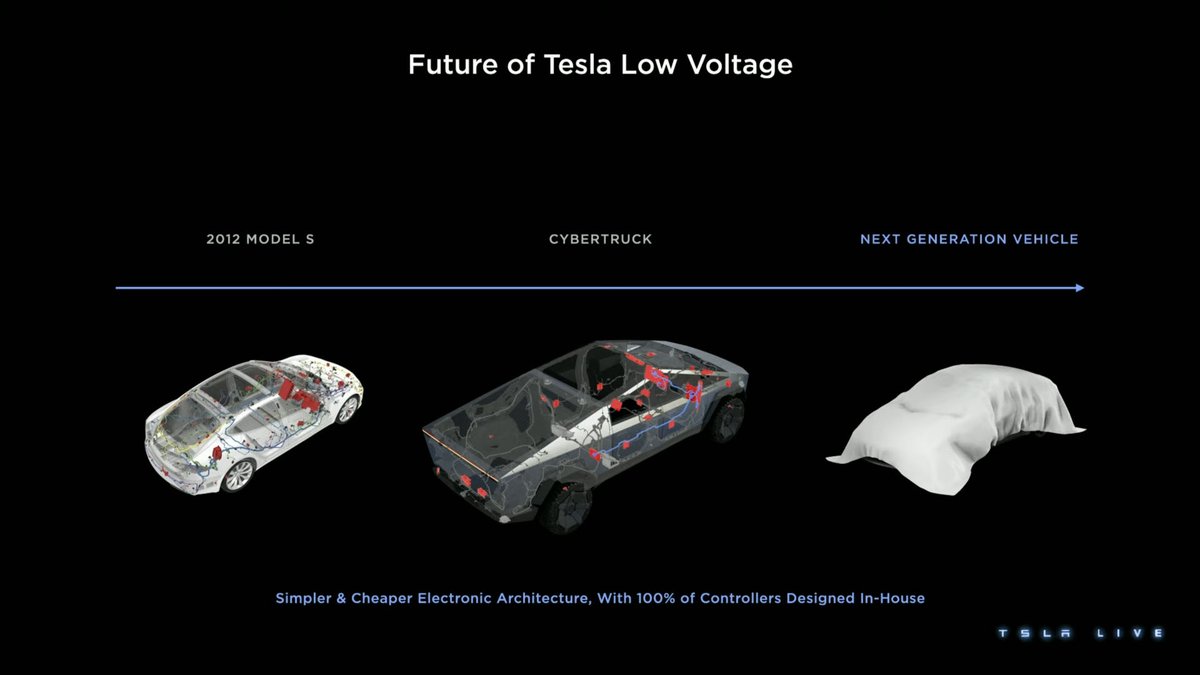
Simplified interior architectures complement these mechanical innovations by reducing assembly complexity inside the cabin. Vehicles built on these next-generation platforms rely on centralized computing units that consolidate dozens of legacy electronic control modules into single zonal controllers. Official company disclosures indicate that this consolidation removes miles of heavy copper wiring, saving both material expenses and physical weight.
Market Impact and Delivery Targets
The arrival of mass-market sub-$25,000 EVs comes at a crucial moment for global automotive market expansion. Industry analysts project that entry-level electric vehicles will account for over thirty-five percent of all new passenger car sales by late 2026. This influx of accessible models caters directly to urban commuters and budget-conscious fleet operators who were previously priced out of zero-emission mobility.
Initial delivery targets released in regulatory filings confirm aggressive ramp-up schedules across primary global production facilities. Leading manufacturers aim to deliver hundreds of thousands of affordable units annually, leveraging shared component binning across multiple body styles. This platform scalability enables brands to rapidly launch hatchbacks, compact crossovers, and commercial delivery vans off the exact same structural baseline.
Competitive Dynamics Across Regions
The battle for sub-$25,000 market dominance is sparking intense competitive dynamics among established legacy OEMs and agile global rivals. Engineering data shows that Western manufacturers are focusing heavily on software-defined features and brand heritage to differentiate their offerings. Meanwhile, Asian automakers continue to leverage established supply chain efficiencies to maintain aggressive price margins and speed-to-market advantages.
Government incentive programs and evolving import regulations are also altering regional pricing tactics. Official company disclosures reveal that manufacturers are shifting production footprints to take full advantage of local assembly tax credits and regional sourcing incentives. By manufacturing these entry-level architectures within local markets, automakers preserve low retail pricing while ensuring compliance with trade policies.
Long-Term Outlook for Sub-$25k Vehicles
As next-generation sub-$25,000 EV architectures mature throughout 2026, entry-level zero-emission mobility is shifting from an ambitious goal to an industry benchmark. Industry analysts predict that manufacturing innovations developed for these affordable platforms will eventually filter up into premium vehicle lines. Ultimately, these structural, chemical, and software advances represent a permanent paradigm shift in how global automobiles are designed and built.