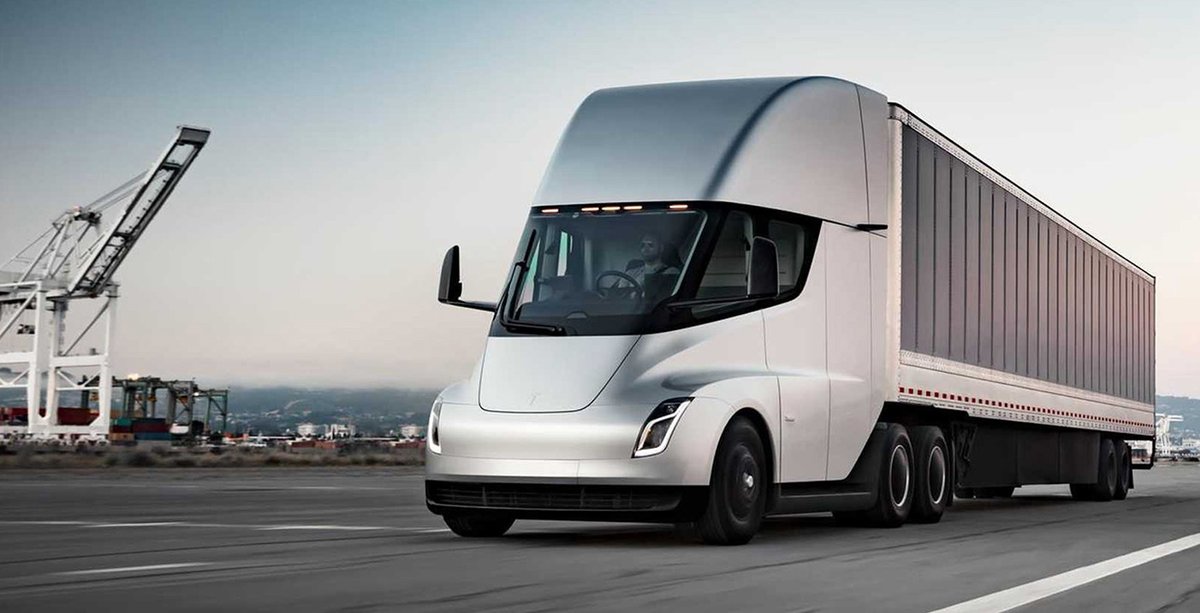
The heavy-duty commercial transportation sector has entered a decisive era as Class 8 electric semi trucks battle for regional and long-haul dominance in 2026. Major original equipment manufacturers are actively deploying advanced battery-electric rigs to prove that zero-emission freight can match diesel efficiency. Fleet operators across North America and Europe are closely monitoring these real-world range benchmarks to evaluate full fleet conversion timelines.
According to recent official company disclosures, the latest generation of heavy-duty electric trucks features dramatically improved energy density and powertrain integration. Manufacturers have systematically addressed early carrier concerns regarding range anxiety, charging speeds, and severe weight penalties. Consequently, logistics providers are expanding pilot programs into full commercial operations, shifting freight strategies toward clean long-haul corridors.
Pushing Battery Density and Aerodynamic Limits
Engineering data reveals that structural battery pack integration and next-generation lithium-iron-phosphate or high-nickel chemistries are driving this technological leap. Engineers have successfully reduced tare weight while increasing usable battery capacity beyond 800 kilowatt-hours in flagship models. By embedding cells directly into the frame rails, chassis designers have maximized energy storage without compromising vital cargo volume or structural integrity.
Aerodynamic optimization has also yielded major efficiency gains across all major Class 8 platforms. Cab designs now feature enclosed wheel arches, active air deflectors, and digital side-mirror camera systems that minimize drag coefficients significantly. According to engineering data, these combined aerodynamic enhancements reduce overall energy consumption by up to fifteen percent during high-speed highway cruising.
Payload capabilities remain a critical metric in the Class 8 range showdown. Federal gross vehicle weight exemptions for zero-emission haulers allow up to 82,000 pounds, offsetting the inherent weight of heavy battery arrays. Industry analysts note that optimized chassis layouts enable modern electric trucks to carry net payloads that are increasingly comparable to traditional diesel-powered counterparts.
Real-World Range Metrics and Fleet Testing Data
Official company disclosures show a widening divergence in single-charge range claims among top market contenders. Long-haul flagships, such as the Tesla Semi and Mercedes-Benz eActros 600, demonstrate verified operating ranges between 400 and 500 miles under full gross vehicle weight conditions. Meanwhile, regional haulers like the Freightliner eCascadia and Volvo VNR Electric focus on 230 to 300 miles for predictable return-to-base routes.
Rigorous fleet testing data indicates that environmental factors still play a significant role in real-world range variance. Cold weather operations can temporarily degrade usable battery range by twenty to thirty percent due to cabin heating demands and thermal management requirements. Conversely, regenerative braking systems on mountainous test routes recover substantial kinetic energy, extending brake life and partially offsetting elevation efficiency losses.
Different operational duty cycles require customized spec configurations rather than a single universal battery size. Regional distribution routes operating on predictable schedules utilize smaller battery configurations to maximize cargo capacity and lower upfront procurement costs. High-mileage interstate corridors, however, demand maximum battery capacity to ensure continuous operation across extended driving shifts without requiring mid-route stopovers.
Megawatt Charging Infrastructure and Fleet Downtime
The rapid roll-out of the Megawatt Charging System standard is transforming commercial fleet turnaround dynamics across primary freight lanes. Engineering data confirms that megawatt-level charging delivers over one megawatt of direct current power, replenishing heavy-duty batteries from ten to eighty percent in under thirty minutes. This capability aligns charging schedules with mandatory driver rest periods, effectively eliminating mid-shift operational delays.
Despite these hardware breakthroughs, localized grid constraints remain a major bottleneck for enterprise fleet electrification programs. Regulatory filings highlight that mega-charging hubs demand massive utility interconnection upgrades that frequently require multi-year engineering and construction timelines. Fleet management companies are increasingly pairing high-power chargers with stationary battery energy storage systems and microgrids to mitigate high peak-demand charges.
Standardized interoperability across competing charging networks has shown noticeable improvement following international protocol alignments. Industry analysts observe that shared open-access freight corridors are replacing proprietary charging islands, granting cross-fleet accessibility for diverse truck brands. Consequently, interstate haulers can navigate complex multi-state shipping corridors with far greater confidence and operational flexibility.
Total Cost of Ownership and Regulatory Drivers
Total cost of ownership calculations are turning increasingly favorable for high-utilization Class 8 battery electric trucks. Official company disclosures emphasize that lower fuel costs and reduced maintenance requirements yield substantial per-mile operating savings over conventional diesels. Because electric powertrains contain fewer moving components, fleet operators report significantly reduced brake wear and eliminated engine oil service intervals.
Tightening environmental regulations and clean fleet mandates are accelerating commercial adoption across critical logistics hubs. Regulatory filings show that state-level zero-emission truck sales quotas, alongside federal procurement incentives, are compelling major logistics providers to replace aging diesel units. Compliance strategies are forcing fleet managers to prioritize battery-electric vehicles for urban drayage and regional distribution corridors immediately.
Strategic Outlook for Heavy Freight Electrification
Industry analysts project that Class 8 electric trucks will capture a substantial share of regional freight volume before the decade ends. Continued battery improvements, expanded megawatt charging corridors, and favorable utility rate structures will further extend viable haul distances. As technology matures, the competitive gap between electric and internal combustion trucks will continue to favor zero-emission commercial transport.