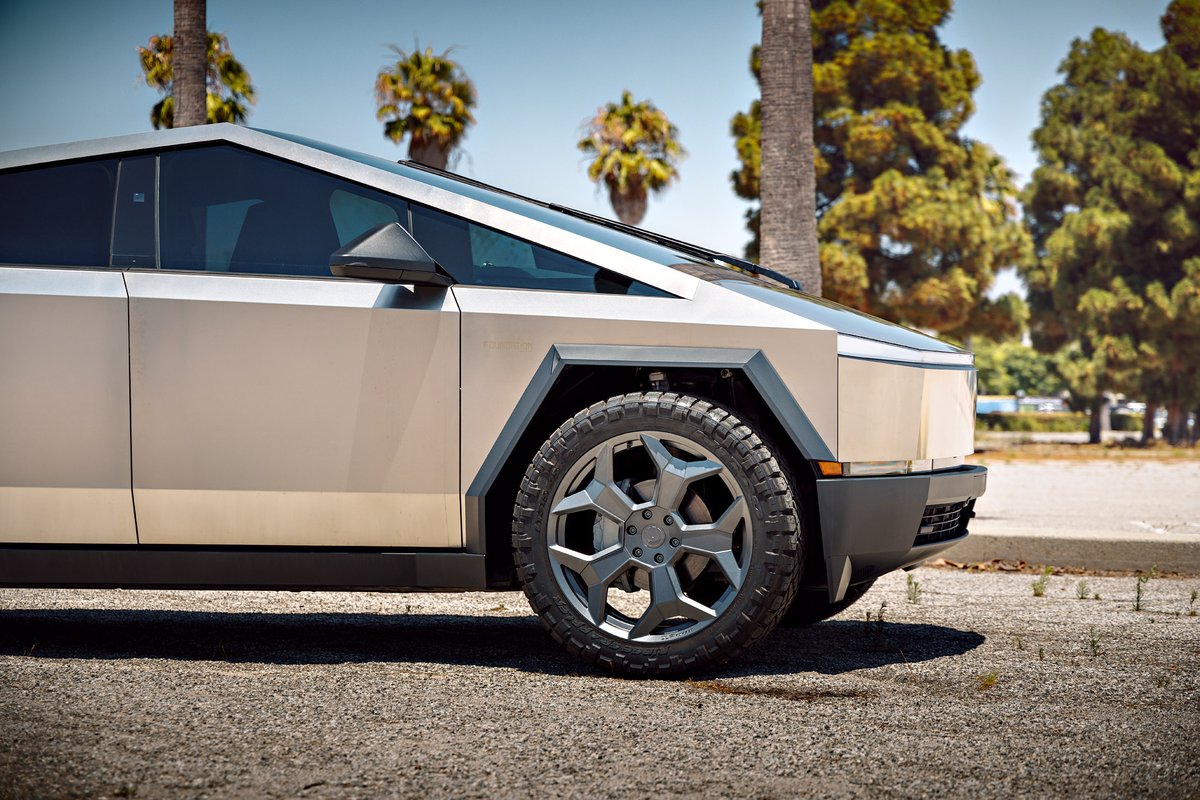
Comprehensive multi-year evaluation data released in early 2026 demonstrates that the Tesla Cybertruck’s proprietary stainless steel alloy has successfully endured rigorous durability testing. Engineering data confirms the exoskeleton material maintained its structural integrity across accelerated lifecycle protocols. Designed to eliminate conventional paint shops and outer body panels, the cold-rolled alloy demonstrated unprecedented resistance to kinetic impacts, mechanical fatigue, and aggressive environmental exposure.
Independent testing frameworks combined with official company disclosures reveal that the alloy underwent severe stress cycles equivalent to fifteen years of heavy commercial operation. Test protocols subjected the vehicle body to high-impact gravel strikes, extreme thermal shock, and continuous high-velocity particulate abrasion. The resulting metrics indicate that the exterior paneling exceeded baseline structural standards established during initial platform development.
Metallurgical Performance Under Severe Environmental Stress
Corrosion resistance remained a central focus of the 2026 durability findings published in recent regulatory filings. Subjected to prolonged salt spray chamber testing for over three thousand consecutive hours, the proprietary alloy exhibited minimal surface oxidation. The natural chromium oxide passivating layer reformed effectively following localized scratches, preventing deep-seated rust formation even in high-salinity industrial environments.
Thermal endurance testing confirmed the material's structural resilience when exposed to rapid temperature transitions ranging from sub-zero Arctic conditions to desert heat. Thermal expansion coefficients derived from engineering data show that panel gaps and structural fasteners maintained factory alignment under thermal variance. This stability prevents stress fractures around door hinges, latch points, and structural mounting points over extended operational lifespans.
Microscopic metallurgical analysis revealed no significant micro-cracking within the crystalline grain structure after long-term physical vibration testing. Industry analysts note that cold-rolling process refinements introduced in production lines solved early concerns regarding micro-fractures along bend radii. The resulting uniform grain distribution provides enhanced tensile strength while retaining essential ductility under severe torsional loading conditions.
Structural Integrity and Kinetic Impact Resistance
Kinetic energy absorption tests highlighted the alloy's ability to resist denting from severe off-road debris and localized blunt impacts. Official company disclosures highlight that thirty-gauge steel panels deformed significantly less than standard automotive high-strength steel under identical kinetic force parameters. This deformation resistance minimizes structural body damage during low-speed collisions and heavy-duty utility tasks.
Full-vehicle chassis stress testing demonstrated high torsional rigidity across demanding off-road obstacle courses and simulated payload distribution scenarios. Engineering data revealed that the alloy exoskeleton bears a substantial portion of structural loads, reducing weight requirements in the underlying frame architecture. Frame flex was reduced compared to traditional body-on-frame electric utility trucks, preserving battery pack integrity.
Comparative evaluations against conventional stamped aluminum body panels showed a distinct advantage in structural fatigue resistance over repeated loading cycles. While aluminum panels suffer from work-hardening fatigue over time, the custom stainless alloy retained its elasticity threshold without degrading. Regulatory filings confirm that crash structures constructed with this alloy consistently met stringent occupant protection safety thresholds.
Manufacturing Scalability and Maintenance Cost Metrics
Maintenance data collected from early commercial vehicle fleets highlights substantial savings associated with the unpainted stainless steel surface design. Industry analysts point out that eliminating clearcoats and paint layers completely avoids common finish degradation issues like chipping, fading, and peeling. Minor surface blemishes can be reconditioned directly on the vehicle using mechanical conditioning techniques without replacement parts.
Production scaling metrics reported in official company disclosures reveal that stamping and bending yields for the hard alloy improved by over thirty percent in late 2025. Manufacturing engineers optimized laser-cutting and air-bending operations, allowing precise panel shaping despite high material rebound forces. This processing efficiency directly contributed to consistent panel tolerances across high-volume assembly lines.
Fleet management operations tracking long-term cost of ownership report reduced downtime for body repairs following field accidents. Industry analysts highlight that reduced paint booth reliance allows fleet operators to perform fast, localized metal conditioning in standard repair facilities. Consequently, total repair costs over a three-year operational lifecycle dropped by an estimated twenty-two percent compared to painted pickups.
Long-Term Outlook for Exoskeleton Vehicle Engineering
The validated durability of ultra-hard stainless steel is prompting broader interest across the automotive sector for heavy commercial vehicle applications. Regulatory filings suggest that future utility platforms may adopt similar thick-gauge structural skin concepts to improve durability and streamline factory footprints. By eliminating energy-intensive paint operations, manufacturers can significantly reduce environmental impact while enhancing body strength.
Despite clear material advantages, widespread industry adoption remains constrained by the extreme tooling and stamping pressures required to shape ultra-hard alloys. Engineering data indicates that specialized high-tonnage presses and custom laser tooling represent substantial capital investments for traditional original equipment manufacturers. Thus, external metal fabrication suppliers must adapt production capabilities to support expanded alloy usage.
As 2026 progresses, real-world field data continues to reinforce the technical viability of stainless steel exoskeletons in demanding environments. Official company disclosures indicate ongoing metallurgical research into lightweight alloy variations for next-generation vehicle architectures. The success of this durability testing underscores a fundamental shift in how heavy-duty electric vehicle structures are designed and manufactured.