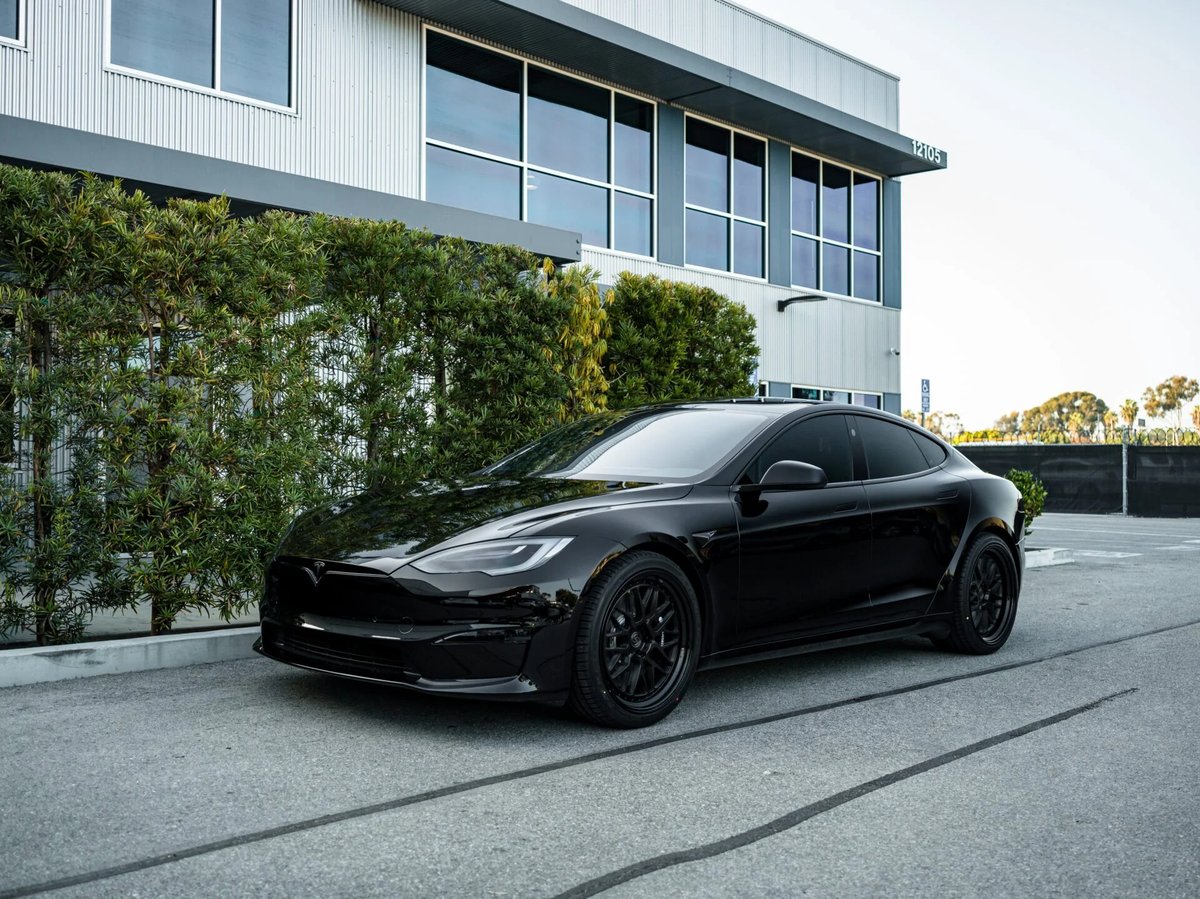
The evolution of high-performance electric vehicles has reached a crucial milestone with the latest evaluation of the Model S Plaid carbon ceramic brake package. Originally conceived to address thermal fade during extreme high-speed maneuvers, this hardware upgrade transforms the heavy sedan into a capable track machine. Engineering data demonstrates that the upgraded braking system delivers consistent stopping power needed to tame over one thousand horsepower safely.
When unlocked via software updates paired with this specialized hardware, the vehicle can achieve its advertised top speed of two hundred miles per hour. Industry analysts note that previous iterations faced criticism for pairing massive electric acceleration with standard steel brakes prone to rapid thermal degradation. Official company disclosures indicate that this comprehensive thermal solution is specifically tailored to solve that critical performance bottleneck permanently.
Engineering Specifications and Materials
The hardware foundation relies on continuous-fiber carbon-silicon carbide rotors measuring four hundred ten millimeters in the front and four hundred millimeters at the rear. These massive discs are paired with one-piece forged monobloc calipers featuring six pistons up front and four pistons behind. Engineering data confirms this construction withstands operating temperatures exceeding eight hundred degrees Celsius without structural degradation or frictional decay.
High-performance synthetic brake fluid rated for extreme boiling thresholds accompanies the package to prevent vapor lock during aggressive track sessions. Specialized high-friction brake pads complete the assembly, formulated to maintain high friction coefficients across wide thermal bands. Regulatory filings reveal that these specialized friction materials pass stringent environmental standards while offering exceptional initial bite under rigorous physical demands.
Beyond pure heat management, the carbon-ceramic configuration significantly reduces un-sprung rotating mass compared to standard iron brake components. Engineering data highlights a weight reduction of nearly thirty pounds across all four corners combined. This reduction improves suspension response time, sharpens initial turn-in precision, and allows the adaptive air suspension to react more dynamically over uneven pavement textures.
Track Performance and High-Speed Endurance
On closed circuit test environments, the performance gains are immediately apparent from the first high-speed deceleration zone. Repeated heavy stops from one hundred thirty miles per hour down to highway speeds yield consistent pedal travel without sponge-like degradation. Official company disclosures show that lap times decrease notably because drivers can brake significantly later into corners with absolute confidence.
Blending friction braking with high-power regenerative deceleration requires complex control algorithms to maintain predictable pedal feedback. Engineering data confirms that software integration smooths the transition between electric motor harvesting and mechanical pad pressure seamlessly. Industry analysts report a firm, communicative pedal feel that eliminates the alarming fade previously encountered under sustained high-g track driving conditions.
Thermal cameras deployed during track evaluations demonstrate that peak rotor temperatures normalize much faster than iron equivalents. While standard rotors trap residual heat inside the wheel wells, carbon-ceramic material dissipates energy rapidly through directional cooling vanes. Engineering data indicates this efficient heat evacuation preserves caliper seals and brake fluid integrity over extended high-performance driving sessions.
Daily Driving and Street Usability
Transitioning from track environments to everyday public roads reveals both strengths and minor trade-offs inherent to ceramic compounds. Cold performance during initial morning drives requires slightly higher pedal effort until the friction materials reach standard operating temperatures. Industry analysts observe that once ambient warmth is established, ambient street noise remains surprisingly low compared to traditional race-spec braking kits.
A major consumer benefit is the near-total elimination of dark, corrosive brake dust coating the zero-g alloy wheels. Owners operating in urban environments will appreciate cleaner wheel surfaces over extended driving intervals between washes. Official company disclosures state that the carbon-silicon rotors exhibit extraordinary wear longevity, often outlasting the operational lifespan of standard ownership cycles under normal road conditions.
Pricing and Package Value Proposition
Offered as a standalone retrofit or factory option, the package carries a premium price tag of twenty thousand dollars inclusive of installation. While substantial, industry analysts emphasize that retrofitting comparable aftermarket carbon setups on exotic supercars frequently exceeds thirty thousand dollars. Consequently, the factory package represents a competitive value proposition for owners seeking verified, warrantied track-ready capability straight from the manufacturer.
The comprehensive kit includes updated track-focused software, high-temperature brake fluid, upgraded forged wheels, and high-speed rated tires necessary for maximum performance. Regulatory filings note that compliance with international safety standards requires installing the full hardware kit to unlock top-speed driving modes. Purchasing these components as a bundled package ensures seamless integration with existing vehicle electronics and dynamic stability systems.
Industry Impact and Future Outlook
As electric vehicle powertrains push acceleration thresholds beyond traditional internal combustion limits, thermal dissipation becomes the primary automotive engineering challenge. Industry analysts project that carbon-ceramic hardware will become increasingly standard across high-performance EV segments. Regulatory filings highlight growing scrutiny surrounding heavy EV stopping distances, encouraging manufacturers to prioritize high-capacity braking architectures across their premium performance portfolios.
Ultimately, the carbon ceramic brake package resolves the most significant performance vulnerability of the Model S Plaid architecture. By matching massive straight-line acceleration with continuous, lap-after-lap stopping capabilities, the platform fulfills its initial promise as a legitimate circuit contender. Engineering data confirms that this hardware milestone sets a rigorous technical baseline for future high-output electric vehicle braking systems industry-wide.