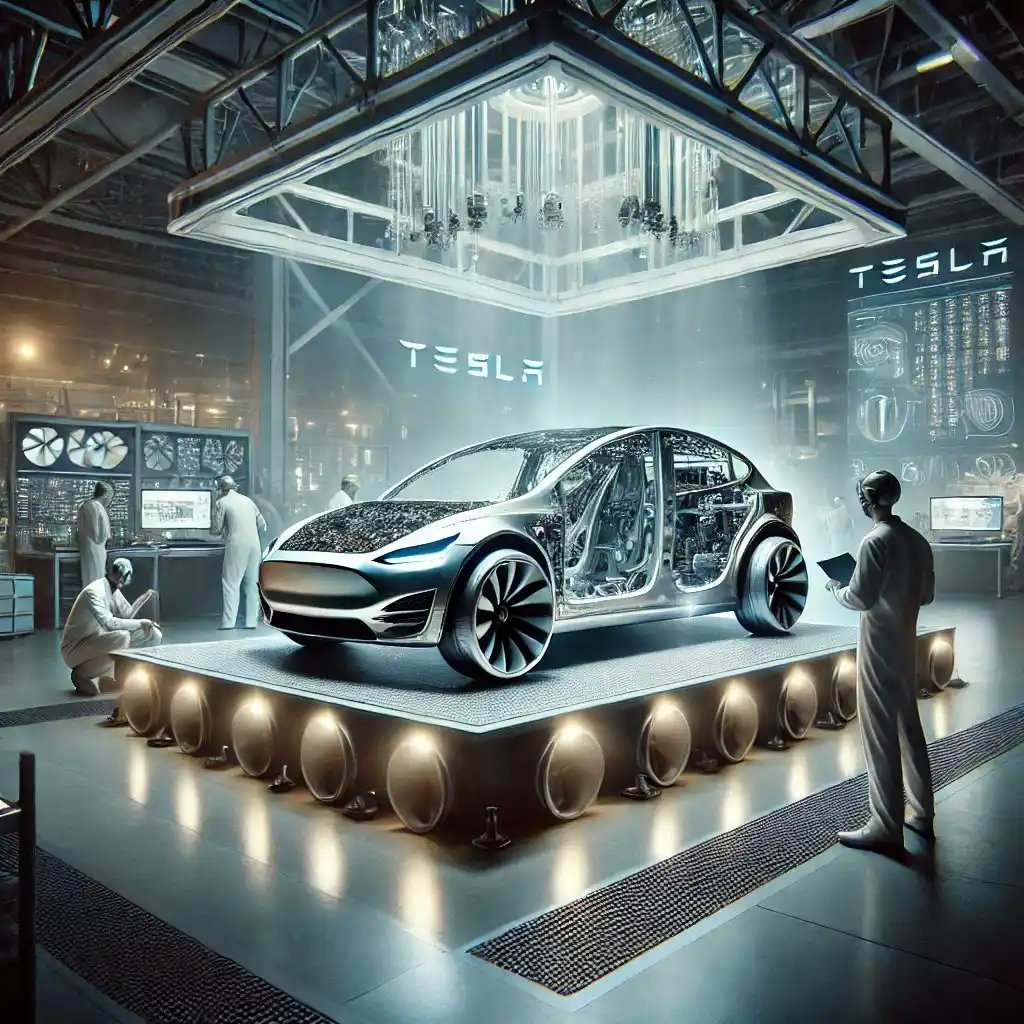
Automotive manufacturers are entering a pivotal era in 2026 as entry-level electric vehicle platforms undergo radical architectural revisions. According to official company disclosures, newly deployed entry-level architectures rely heavily on ultra-lean modular chassis design to dramatically lower production overhead. These updated platforms eliminate redundant structural elements, allowing global automakers to target retail price points right at the coveted twenty-five thousand dollar baseline while retaining healthy profit margins.
Engineering data indicates that the adoption of large-scale single-piece aluminum die castings has become the cornerstone of these cheap vehicle architectures. By replacing hundreds of individual stamped steel components with front and rear cast underbodies, vehicle assemblers can shrink factory footprints by over thirty percent. This drastic reduction in body shop complexity directly drives down fixed overhead expenses across global assembly facilities.
Centralized computing architectures have also replaced traditional decentralized electronic control units in these next-generation compact models. Regulatory filings highlight how high-performance central domain controllers manage vehicle dynamics, infotainment, and active safety through consolidated zonal gateways. This architectural leap slashes heavy copper wiring harnesses by up to forty percent, reducing vehicle mass while simplifying robotic assembly processes.
Revolutionizing Compact Platform Engineering
Battery pack innovation remains the primary catalyst behind the mass-market pricing breakthrough. Next-generation lithium iron phosphate and advanced sodium-ion chemistry formulations are now achieving energy densities that were previously reserved for premium nickel-based cells. Official company disclosures confirm that these chemistry advancements allow compact city vehicles to comfortably deliver over two hundred and fifty miles of driving range on a single charge.
Engineering data reveals that direct cell-to-chassis structural integration has eliminated heavy intermediate module enclosures entirely. By bonding prism cells directly into the primary load-bearing vehicle frame, engineers have achieved battery pack costs well below eighty dollars per kilowatt-hour at the system level. This structural efficiency significantly improves energy density volumetric ratios while reducing net curb weight.
Fast-charging performance on lower-voltage four-hundred-volt architectures has similarly advanced through optimized passive and active thermal management loops. Industry analysts note that redesigned cooling plates now maintain optimal cell temperatures during high-power direct-current charging cycles. Consequently, drivers can replenish ten to eighty percent battery capacity in less than twenty minutes without incurring premature thermal degradation over the platform life.
Manufacturing Efficiencies Drive Margin Parity
The unboxed assembly process represents a fundamental break from century-old moving assembly line methodologies. Industry analysts emphasize that sub-assemblies are now painted and fully trimmed in parallel workstations before coming together in a final single-stage join. This parallel workflow maximizes factory throughput while substantially cutting energy consumption and capital equipment costs required for traditional paint and body shops.
Standardization of internal components across diverse body styles has further optimized scale economies for global vehicle producers. According to official company disclosures, shared drive units, power electronics, and steering modules are utilized across subcompact hatchbacks, crossovers, and small commercial vans. This component consolidation minimizes unique tool-and-die expenses and drastically lowers supply chain management complexity for original equipment manufacturers.
Localized supply chain ecosystems established adjacent to primary assembly facilities have virtually eliminated long-distance component logistics. Regulatory filings reveal that battery cell factories, casting facilities, and drive-unit plants are now strategically co-located within tight industrial campuses. This geographical proximity reduces transit times, protects manufacturers against volatile international shipping costs, and maximizes regional manufacturing tax credit eligibility.
Market Impact and Delivery Targets
The arrival of truly affordable electric architectures is accelerating consumer adoption rates across North America, Europe, and Asia. Industry analysts project that sub-twenty-five thousand dollar vehicles will capture over thirty-five percent of all new passenger car sales by the late decade. This rapid expansion shifts the electric transition from early technology adopters to price-sensitive mass-market mainstream buyers.
Fleet operators and ride-hailing platforms are rapidly transitioning their urban fleets to these modular small vehicles. Regulatory filings indicate that commercial operators prioritize the lower total cost of ownership, simplified maintenance routines, and enhanced durability engineered into these basic platforms. Lower capital expenditure barriers allow fleet managers to electrify operational vehicles much faster than previously anticipated.
Major automotive groups have outlined aggressive scaling goals to reach full factory capacity across multiple continents throughout 2026. Official company disclosures show that initial manufacturing runs are already exceeding early yield projections, setting the stage for high-volume customer deliveries. Early reservation books indicate strong global demand, validating automaker strategies to focus on low-cost structural innovation over high-end luxury features.
Long Term Industry Implications
Vehicle architecture simplification also provides substantial benefits for the secondary market and long-term vehicle serviceability. Engineering data confirms that modular battery modules and easily accessible power electronics allow independent repair shops to perform targeted component replacements economically. This enhanced repairability helps preserve strong residual values, lowering overall leasing costs for initial buyers while sustaining secondary market demand.
Ultimately, the deployment of cheap modular electric architectures represents a permanent structural shift in global automotive manufacturing. As legacy automakers and aggressive new entrants refine these lean engineering principles, high-efficiency compact electric transportation is fast becoming the standard default choice for global commuters. Continued advancements in scale and manufacturing technology will ensure sustainable long-term profitability across the entire entry-level vehicle segment.