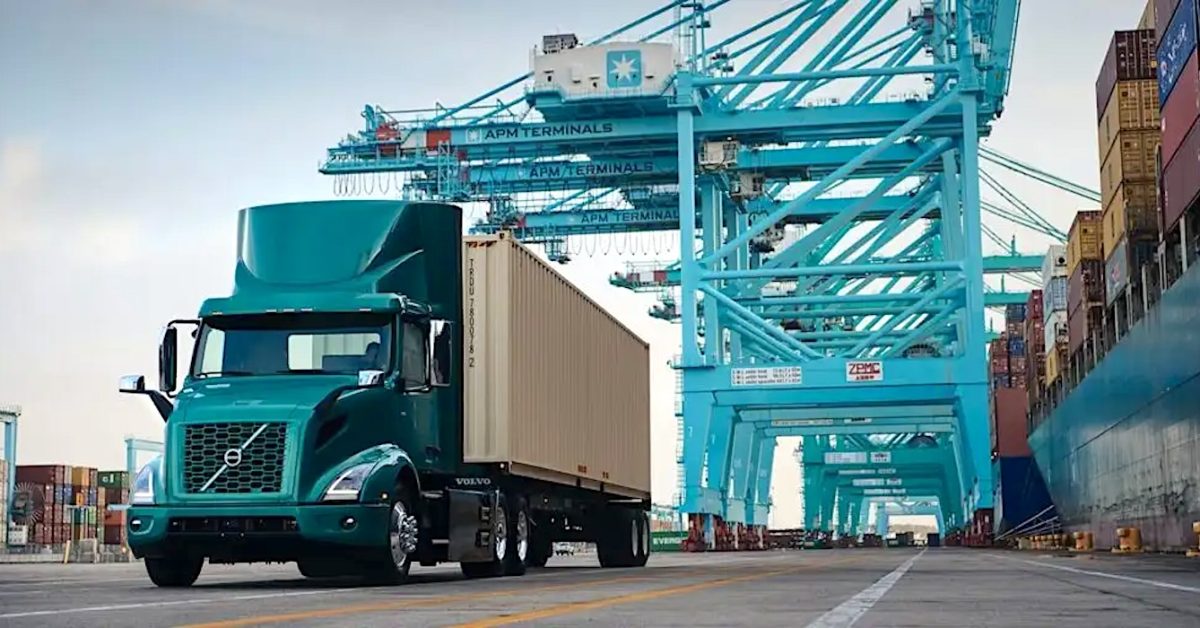
New York Port Launches $45 Million Electric Truck Initiative
The Port Authority of New York and New Jersey has partnered with clean transportation nonprofit CALSTART to unveil a $45 million initiative electrifying regional commercial freight. Designed to assist port terminal operators and drayage fleets, the targeted effort shifts zero-emission vehicles from small-scale pilot projects into widespread commercial operation across the busy East Coast shipping complex.
Heavy-duty drayage trucks and yard tractors long represented a primary source of localized diesel exhaust and greenhouse gas emissions in nearby coastal communities. By providing direct financial support to fleet operators, program administrators aim to accelerate diesel vehicle retirements while deploying high-capacity charging infrastructure necessary to keep high-frequency freight networks moving efficiently.
Scaled Funding for East Coast Heavy Freight
The combined effort introduces two main operational components: the Clean Truck Incentive program and the Green Drayage Accelerator. Together, these programs establish an accessible framework for independent owner-operators and logistics firms to acquire battery-electric commercial trucks. By targeting procurement costs and infrastructure barriers simultaneously, officials hope to remove traditional financial obstacles.
Program organizers designed the dual initiative to move zero-emission trucks out of limited pilot trials and into mainstream commercial workflows. By reducing upfront vehicle pricing and expanding regional charging networks, the initiative addresses the primary hesitation among logistics managers looking to transition away from internal combustion engines without jeopardizing tight delivery schedules.
Point-of-Sale Vouchers and Strategic Charging Infrastructure
At the core of the $45 million roll-out is a substantial $39 million allocation dedicated specifically to point-of-sale vouchers. These financial vouchers directly offset upfront purchase prices of heavy-duty zero-emission drayage trucks, terminal yard tractors, and depot charging units. Point-of-sale assistance ensures fleet owners receive immediate price relief rather than waiting for delayed reimbursements.
Beyond vehicle subsidies, the initiative directs over $5 million toward building five high-capacity electric vehicle charging hubs located within ten miles of port facilities. Strategic placement near terminal gates ensures battery-electric trucks can complete rapid turnaround cycles without disrupting daily delivery schedules or leaving drivers stranded without charging options during peak transport windows.
According to official program statements, successfully deploying zero-emission trucks at scale requires coupling accessible financial incentives directly with high-capacity charging infrastructure. Program leadership noted that blending flexible funding mechanisms with streamlined administrative processes lowers the entry threshold for drayage operators, modernizing vital supply chains while delivering immediate local air quality improvements.
Federal Support Drives Systemic Supply Chain Decarbonization
The $45 million package represents part of a much larger $451 million grant awarded to the Port Authority through federal clean port programs. This massive federal grant stands as the largest sustainability award in the agency's history, reflecting growing national investment in port modernization, carbon reduction, and public health protection around industrial corridors.
In addition to direct hardware subsidies, the funding framework designates $3 million to establish a Port Community Advisory Council. This advisory body will ensure local residents, community advocates, and logistics stakeholders have a direct voice in evaluating environmental progress, guiding future infrastructure development, and ensuring equitable distribution of clean air benefits across neighborhoods.
Port Authority leadership emphasized that reaching ambitious net-zero greenhouse gas emission goals by 2050 requires active participation from private tenants, contractors, and independent trucking companies. Executive statements highlighted that these newly launched financial programs make zero-emission technology economically viable for small and mid-sized operators, backing long-term climate commitments with practical financial resources.
Industry Acceleration Across Major American Ports
The New York and New Jersey initiatives reflect a broader national movement to eliminate diesel emissions at major maritime gateways. Similar port electrification efforts are expanding rapidly across both coasts, as port authorities, terminal operators, and fleet administrators face tightening regional air quality rules and growing corporate sustainability mandates from major international shipping lines.
For instance, commercial terminal operators in Elizabeth, New Jersey, have already initiated localized zero-emission yard equipment deployments to replace legacy diesel stackers and tractors. Meanwhile, West Coast gateways like the Port of Los Angeles are seeing massive private and public capital expenditures exceeding $200 million dedicated to heavy-duty terminal automation and zero-emission freight handling systems.
These parallel investments highlight an accelerating transition from early pilot experiments to mainstream fleet adoption. As heavy-duty battery technology matures, equipment manufacturers are scaling up production of heavy-duty electric trucks capable of handling demanding port duty cycles, short-haul drayage tasks, and heavy container payloads without sacrificing operational throughput or vehicle uptime.
Overcoming Operational and Infrastructure Challenges
Despite generous voucher programs, transitioning thousands of port trucks to electric power presents complex operational hurdles. Fleet managers must navigate elevated utility interconnection timelines, grid capacity upgrades, and higher initial vehicle purchase prices relative to conventional diesel options. Specialized high-capacity charging infrastructure requires substantial electrical service entry upgrades that take time to permit and install.
By establishing dedicated charging hubs near port boundaries, the new program aims to alleviate grid pressure on individual fleet maintenance depots while providing shared charging access for smaller drayage operators who lack dedicated real estate for charging infrastructure. This shared infrastructure model reduces initial capital expenses for independent drivers who form the backbone of port transport networks.
As implementation moves forward, regional freight networks will serve as a crucial testing ground for large-scale urban logistics decarbonization. Stakeholders across the shipping industry will closely monitor the Port Authority's progress, evaluating how effectively point-of-sale vouchers and targeted charging hubs can accelerate zero-emission truck adoption across one of North America's busiest supply chain ecosystems.