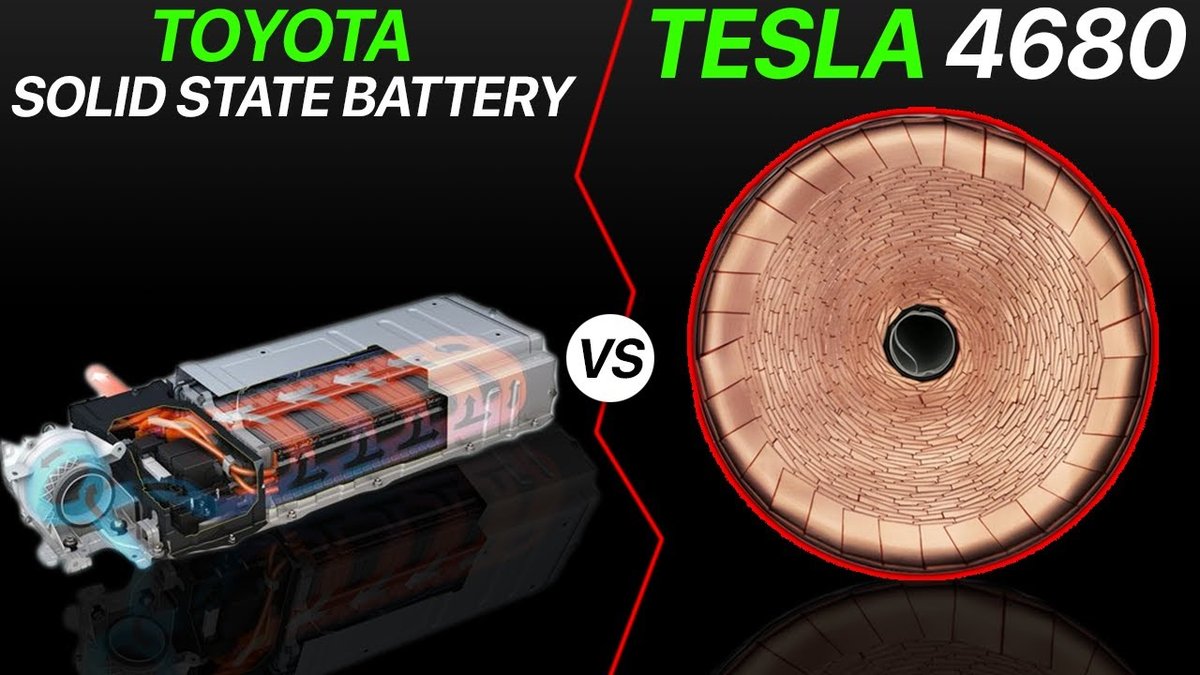
As the global electric vehicle sector enters 2026, automotive manufacturers are engaged in an unprecedented battle for battery cost dominance. Next-generation solid-state batteries are finally breaking out of research laboratories and entering low-volume production vehicles. However, advanced 4680-format cylindrical cells have simultaneously achieved massive global manufacturing scale, creating a stark economic divide across the automotive supply chain.
According to recent official company disclosures, the cost gap between these two competing architectures remains substantial entering the current model year. While refined 4680 structural battery packs have fallen below $85 per kilowatt-hour at the pack level, initial commercial solid-state packs still average roughly $210 per kilowatt-hour. This economic delta is actively shaping product strategies across major global original equipment manufacturers.
Manufacturing Economies of Scale
Engineering data reveals that the primary cost advantage of 4680 cells stems from high-speed, continuous manufacturing capabilities. The widespread adoption of refined dry electrode coating processes has eliminated expensive solvent recovery systems and reduced factory footprints by nearly forty percent. These combined operational efficiencies enable gigafactories to yield thousands of cylindrical cells per minute with exceptionally low scrap rates.
Conversely, solid-state cell production continues to suffer from sensitive synthesis requirements and lower overall yield rates. Latest regulatory filings show that ceramic separator processing and ultra-dry assembly conditions demand significant upfront capital investment. Industry analysts note that until automated roll-to-roll manufacturing for solid electrolyte films achieves higher throughput, labor and tooling expenses will keep solid-state cell assembly costs elevated.
Raw Material Intensity and Supply Chains
Material composition represents another crucial battleground defining the total cost profile of each cell architecture. Solid-state designs heavily utilize expensive lithium metal anodes and specialized sulfide or oxide solid electrolytes to maximize performance. Industry analysts report that raw material sourcing for these advanced components currently costs nearly three times more per kilowatt-hour than the raw material stack inside conventional nickel-based chemistries.
In contrast, 4680 cell architectures benefit from flexible, highly mature mineral supply chains and cheaper cathode formulations. Official company disclosures indicate that integrating high-manganese and iron-phosphate chemistries into the large 4680 form factor has further depressed bill-of-materials costs. This chemical versatility allows manufacturers to shield high-volume vehicle platforms from volatile nickel and cobalt pricing fluctuations in global commodity markets.
Volumetric Density vs Capital Expenditure
Despite higher initial manufacturing expenses, solid-state batteries deliver unmatched volumetric and gravimetric energy density advantages. Engineering data indicates that solid-state packs achieve energy densities exceeding 450 Watt-hours per kilogram, allowing automakers to install smaller, lighter battery enclosures. This dramatic weight reduction offsets cell-level premiums by enabling smaller structural frames, lighter suspension components, and reduced overall vehicle mass.
However, the capital expenditure required to transition existing assembly plants to solid-state lines remains dauntingly high. Regulatory filings from tier-one battery manufacturers show that greenfield solid-state production lines require more than double the capital investment per gigawatt-hour compared to established 4680 lines. Industry analysts estimate that long-term tooling amortization will inflate solid-state cell costs through at least the end of the decade.
Pack Integration and Thermal Management
At the pack integration level, solid-state technology reclaims a significant portion of its upfront cost disadvantage. Because solid electrolytes are inherently non-flammable, engineering data shows these packs require far simpler liquid cooling loops and minimized thermal runaway barriers. Eliminating heavy cooling plates, complex fire-suppression materials, and elaborate module housing hardware reduces pack-level assembly costs and simplifies final vehicle integration.
Simultaneously, 4680 cell design leverages cell-to-chassis structural integration to maximize pack-level cost savings. Official company disclosures highlight how using 4680 cells as structural honeycomb elements replaces traditional floor pan structures, cutting hundreds of individual body parts. This holistic vehicle engineering approach dramatically lowers overall vehicle manufacturing costs, partially nullifying the weight and density advantages offered by solid-state alternatives.
Long-Term Cost Parity Trajectories
Industry analysts project that solid-state technology will not achieve direct cell-level cost parity with 4680 formats before 2032. While scaling solid electrolyte manufacturing will gradually drive costs down toward $110 per kilowatt-hour, concurrent innovations in continuous 4680 production will keep cylindrical formats significantly cheaper. Consequently, automakers are adopting dual-track platform strategies based strictly on vehicle segment pricing and performance requirements.
The current 2026 market structure reflects this widening cost segmentation across the global automotive landscape. According to regulatory filings, solid-state batteries are almost exclusively restricted to flagship hypercars, premium luxury sedans, and high-margin commercial applications. Meanwhile, 4680 cells have solidified their position as the default power source for high-volume mass-market crossover EVs, pickup trucks, and affordable entry-level mobility platforms.
End-of-life economics and recycling yields are also emerging as vital factors in overall lifecycle cost calculations. Engineering data reveals that solid-state cells yield higher recovery rates of pure lithium metal during hydrometallurgical recycling processes. This superior residual value is expected to improve long-term residual pack valuation, helping bridge the overall lifecycle cost gap between solid-state batteries and mass-produced 4680 cells over time.
Ultimately, official company disclosures and industry analysts demonstrate that cost competition is driving parallel innovation rather than swift displacement. While 4680 structural packs maintain an unbeatable cost-per-kilowatt-hour advantage for mass-market vehicles, solid-state technology is successfully carving out its own profitable high-end market niche. Both architectures will co-exist for years as key pillars of the global transition to electrified mobility.