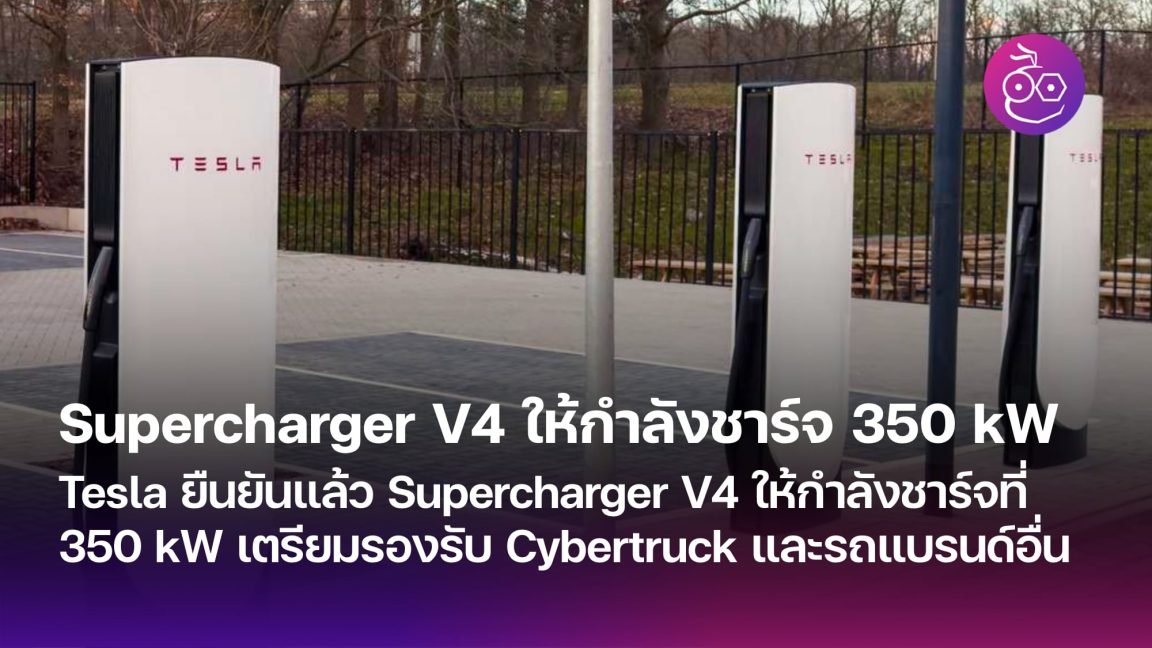
Tesla has initiated a massive acceleration of its V4 Supercharger deployment across major European transit corridors in early 2026. This comprehensive network upgrade delivers dedicated 350kW peak charging speeds, unlocking significantly faster replenishment times for compatible electric vehicles. According to official company disclosures, the initiative represents the automaker's most aggressive infrastructure push on the continent to date, targeting both high-density highways and remote commercial routes.
The transition to true 350kW charging capacity addresses growing demand from both native Tesla models and third-party electric vehicles. Engineering data indicates that the upgraded architecture dramatically reduces dwell times at high-traffic hubs during peak travel seasons. By standardizing high-power delivery across European stations, the company aims to eliminate long-distance travel anxiety while strengthening its dominance over regional public charging infrastructure.
Advanced Architecture and Power Cabinet Upgrades
The technological foundation of the expanded rollout relies on next-generation V4 power cabinets capable of delivering up to 1000V architecture. Engineering data reveals that these cabinets utilize dynamic power sharing to maintain optimal output even when multiple stalls operate simultaneously. This hardware evolution ensures that modern 800V vehicle platforms can draw peak power continuously without thermal throttling or performance drops during extended charging sessions.
Physical modifications to the V4 stalls further enhance utility across diverse vehicle designs. Longer, immersion-cooled cables allow easy access for vehicles with varied charge port locations, resolving accessibility issues present in earlier deployments. Official company disclosures emphasize that the standardized CCS2 connector interface remains fully compliant with updated European Union transport regulations, enabling seamless plug-and-charge functionality for all participating automotive brands.
Strategic European Highway Corridor Expansion
Site selection strategies prioritize the Trans-European Transport Network corridors, connecting industrial hubs and tourism routes from Scandinavia down to the Mediterranean coast. Industry analysts report that deployment teams are prioritizing high-volume locations in Germany, France, and the Netherlands before expanding into Eastern European territories. This targeted geographical footprint ensures maximum utilization rates while relieving strain on legacy fast-charging sites along heavily congested transit arteries.
To streamline installation timelines, project managers are deploying pre-fabricated, modular charging units containing pre-mounted stalls and power electronics. Regulatory filings show that this modular approach reduces civil engineering work and cuts on-site construction time by nearly fifty percent. Consequently, regional operators can bring multi-stall locations online within weeks, rapidly scaling grid access across challenging urban and suburban border regions.
Cross-Brand Compatibility and Payment Systems
A critical element of the 2026 expansion involves full compliance with the European Union Alternative Fuels Infrastructure Regulation. Official company disclosures confirm that all newly installed V4 stalls incorporate integrated credit card readers and high-resolution digital displays. These user-facing upgrades allow non-Tesla drivers to initiate and pay for charging sessions directly at the terminal, removing the requirement to download proprietary smartphone applications before initiating charge cycles.
The open-network philosophy significantly improves charging accessibility for competing passenger EVs and commercial light trucks. Industry analysts note that non-Tesla vehicles currently account for over forty percent of session volume at accessible European Supercharger locations. By unlocking true 350kW output for third-party 800V architectures, the upgraded V4 hardware positions the charging network as an essential utility for Europe's broader passenger fleet transition.
Grid Infrastructure and Local Storage Solutions
Deploying high-power charging arrays presents substantial operational challenges for localized electrical distribution networks. Engineering data highlights that many new V4 installations are paired with stationary Megapack energy storage units to buffer power demand. These industrial-scale battery systems charge from the grid during off-peak hours and discharge during high-demand events, preventing localized voltage drops and reducing costly grid connection upgrade requirements for site hosts.
Partnerships with local utility providers have become vital to securing high-voltage interconnections across multiple regulatory jurisdictions. Regulatory filings demonstrate that collaborative planning between network engineers and distribution system operators has accelerated permit approvals in key transit sectors. Furthermore, solar canopy integration at select flagship stations supplements local grid intake, generating clean, renewable energy directly on-site to offset operational charging expenditures.
Competitive Dynamics and Market Projections
The accelerated 350kW deployment intensifies competitive pressure on established European charging operators and legacy fuel networks. Industry analysts suggest that independent charging companies must accelerate their own hardware upgrades to retain premium highway sites and commercial fleet contracts. The high reliability metrics and competitive per-kilowatt-hour pricing of the V4 network present a formidable benchmark that rivals must continuously match to remain financially viable.
Financial models point toward robust revenue growth as network throughput increases across high-volume European charging corridors. According to official company disclosures, infrastructure monetization will expand through corporate fleet partnerships, roaming agreements, and targeted energy arbitrage strategies. Capital expenditure allocated to European network growth is projected to yield strong operational returns as electric vehicle adoption rates continue climbing steadily throughout 2026.
Long-Term Fleet Electrification Implications
Beyond consumer passenger cars, the V4 expansion establishes critical support infrastructure for light-commercial transport networks and corporate fleets. Engineering data shows that the sustained 350kW delivery enables rapid turnaround times for delivery vans and regional logistics vehicles requiring quick mid-day top-ups. This high-capacity capability encourages commercial operators to transition away from diesel fleets faster than previously anticipated under regional emissions mandates.
As the 2026 rollout progresses, European cross-border electric travel is entering an unprecedented phase of reliability and convenience. Regulatory filings indicate that continued investment will expand coverage into secondary roadway networks, solidifying a continuous, high-speed charging spine across the continent. This comprehensive infrastructure deployment reinforces Europe's status as a global leader in zero-emission mobility and sustainable transportation systems.