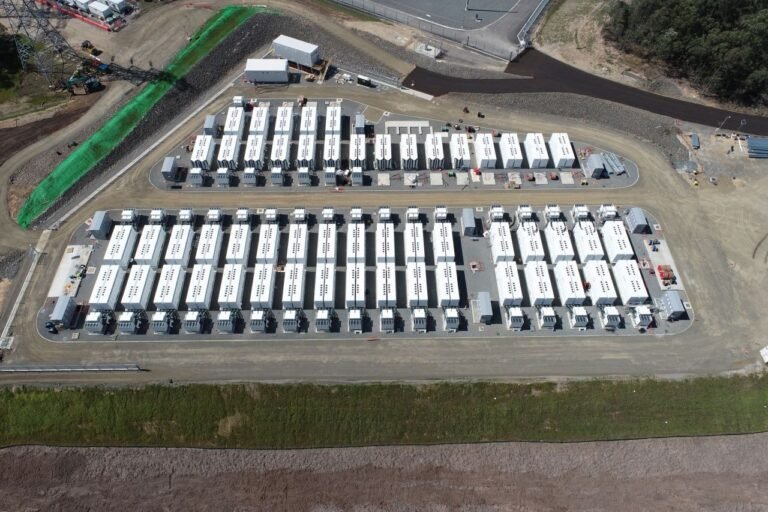
Official company disclosures confirm that Tesla Megapack deployments across Australia have reached unprecedented utility scale capacities throughout 2026. The rapid expansion of these massive energy storage systems is fundamentally altering how the nation manages renewable power distribution. By integrating advanced battery storage into regional transmission networks, grid operators are stabilizing frequency response and capturing excess solar generation across the National Electricity Market.
Engineering data reveals that major utility scale facilities in New South Wales and Victoria now house thousands of individual Megapack units. These high-density installations offer multi-gigawatt-hour storage capacity designed to buffer extreme weather events and peak evening energy demands. Industry analysts note that Australia has become one of the premier global testing grounds for large-scale energy storage integration due to its high renewable adoption rate.
Accelerating Renewable Integration across the National Grid
Regulatory filings indicate that grid operators have successfully utilized Megapack systems to prevent widespread blackouts during recent thermal plant outages. The lithium iron phosphate chemistry within the storage units provides high thermal stability and sustained energy output during volatile demand cycles. Engineering data confirms that response times for frequency stabilization now register in milliseconds, drastically outperforming traditional gas peaker plants across every major metric.
Official company disclosures highlight the crucial role Megapacks play in curtailing solar energy waste during peak middle-of-the-day production windows. Australia produces massive surpluses of rooftop and utility solar energy that historically overwhelmed regional sub-stations. By capturing this abundant clean energy, utility companies can store power efficiently and dispatch it into the main grid when wholesale electricity pricing spikes during evening hours.
Industry analysts project that the economic returns from early Megapack deployments are driving massive capital reinvestment from private infrastructure funds. Energy arbitrage margins have widened as storage systems buy power during negative pricing periods and sell during peak demand. Regulatory filings document a sharp reduction in overall system operating costs, demonstrating that large battery arrays offer superior financial performance compared to fossil fuel alternatives.
Technological Advancements and Engineering Benchmarks
Engineering data detailing the latest 2026 Megapack iterations shows significant improvements in round-trip efficiency and energy density per square meter. Optimized liquid cooling thermal management systems ensure peak performance even under harsh Australian desert environmental conditions. Official company disclosures emphasize that turnkey installation processes have reduced project deployment timelines from years down to just several months, enabling swift grid modernizations.
Automated control software plays a central role in optimizing these massive infrastructure assets across complex wholesale energy markets. Industry analysts emphasize that machine learning algorithms continuously evaluate market prices, weather forecasts, and grid load demands to maximize revenues. Regulatory filings verify that algorithmic trading platforms connected to Megapack sites have dramatically lowered spot market price volatility across participating Australian states.
Official company disclosures point to strengthened regional supply chains and localized maintenance hubs supporting the rapid Australian rollout. Dedicated engineering teams stationed in major metropolitan centers monitor site telemetry continuously to ensure high operational uptime. Industry analysts suggest that localized service capabilities have built strong confidence among regional energy providers, accelerating approval processes for expanding existing battery installations.
Regulatory Frameworks and Transmission Synergies
Regulatory filings show that Australian energy authorities have updated market rules to incentivize fast-acting frequency control and ancillary services. Megapack infrastructure fits seamlessly into these new regulatory mechanisms, earning substantial revenue streams for providing immediate synthetic inertia. Engineering data demonstrates that battery systems stabilize grid frequency faster than mechanical turbines, establishing a modern benchmark for power system safety standards.
Integrating utility scale batteries directly into existing transmission corridors has deferred billions of dollars in costly grid infrastructure upgrades. Industry analysts report that strategic placement near retired coal stations allows developers to utilize existing high-voltage grid connections. Official company disclosures confirm that several legacy power plant locations have successfully completed transformations into primary energy storage hubs without disrupting local land usage.
Engineering data underscores the impressive lifecycle environmental benefits delivered by utility scale storage assets across Australian ecosystems. By displacing carbon-intensive peaker plants, Megapack arrays significantly reduce localized emissions of harmful particulates and carbon dioxide. Industry analysts note that battery recycling partnerships established in 2026 are closing the supply loop, ensuring high recovery rates for raw materials at the end of cell lifecycles.
Future Expansion and Global Implications
Official company disclosures indicate that the pipeline for upcoming Australian storage projects extends well into the next decade. Planned installations will feature larger multi-gigawatt projects designed to support offshore wind developments and remote mining operations. Regulatory filings confirm that federal and state governments continue prioritizing battery storage approvals to achieve national renewable energy targets ahead of established timelines.
Engineering data highlights how Megapack deployments are expanding beyond primary grid networks into isolated microgrids across Western Australia. These remote applications combine utility scale solar installations with battery storage to replace expensive diesel generator operations. Industry analysts emphasize that off-grid commercial enterprises are securing predictable energy costs while substantially reducing their operational carbon footprints through these high-capacity battery solutions.
Industry analysts conclude that Australia’s successful integration of Tesla Megapacks serves as a global model for grid decarbonization. Lessons learned from managing extreme climate conditions, high solar penetration, and distributed grid geography are guiding utility projects worldwide. Official company disclosures confirm that key operational insights gathered from Australian energy projects are directly informing next-generation hardware and software engineering design.