Grid Architecture and Financial Returns
Home energy storage has transitioned from an emergency backup luxury into a lucrative decentralized asset across major energy markets in 2026. As utilities grapple with escalating peak demand and renewable grid instability, residential solar and battery installations are stepping up. The rollout of the Powerwall 3 has accelerated this transition, enabling homeowners to monetize stored solar energy through localized virtual power plant programs at unprecedented scale.
According to official company disclosures, top-performing participating households are seeing annual compensation exceed historical benchmarks by more than forty percent this year. In high-demand ISO regions like Texas and California, energy aggregation events yielded average payouts reaching up to nine hundred dollars per unit annually. These financial returns are primarily driven by real-time wholesale energy price spikes during critical summer heatwaves and sudden severe winter freeze events.
Engineering data indicates that the Powerwall 3 offers a distinct technological advantage over legacy storage hardware during rapid grid dispatch calls. With an integrated solar inverter delivering up to 11.5 kilowatts of continuous power output, single units can export significantly higher energy loads during short-duration peak pricing windows. Consequently, virtual power plant aggregators can supply massive localized surge capacity without degrading home comfort or battery longevity.
Regulatory Frameworks and Market Expansion
Regulatory filings reveal that full implementation of federal energy rules has removed lingering market barriers for aggregated distributed energy resources nationwide. Transmission operators now treat combined residential batteries as legitimate wholesale power market participants rather than simple demand response novelties. This policy shift has enabled energy software algorithms to bid aggregated home storage capacity directly into day-ahead and real-time frequency regulation markets across multiple regions.
Utility partnerships have subsequently expanded beyond early pilot territories into primary suburban and rural power distribution networks. Program expansion in states like New York, Massachusetts, and Colorado now offers guaranteed baseline performance incentives coupled with dynamic event payouts. Residential solar owners in these markets receive dual benefit streams by offsetting expensive retail electricity rates while simultaneously capturing valuable wholesale capacity compensation.
Industry analysts note that grid operators are saving millions in capital expenditure by delaying costly gas peaker plant construction in favor of virtual power plants. By utilizing existing rooftop solar and home battery infrastructure, power companies lower overall system operational expenses during summer peaks. A portion of these avoided capital investments is being redistributed directly to Powerwall owners, creating a sustained economic loop that rewards customer participation.
Hardware Performance and Automated Bidding
The technological foundation of these high payout rates rests upon refined automated bidding software managing millions of connected nodes. Advanced machine learning models constantly evaluate local weather forecasts, utility rate schedules, household consumption patterns, and real-time wholesale energy pricing. The system automatically reserves sufficient battery capacity for unexpected home blackout protection while strategically exporting surplus electricity back to the electrical grid at maximum profit margins.
Engineering data highlights that thermal management and cell chemistry upgrades in the Powerwall 3 permit more frequent high-power discharge events without excessive degradation. The active liquid cooling system regulates internal temperatures during heavy export cycles, ensuring high operational efficiency even when outdoor ambient temperatures exceed forty degrees Celsius. This durability allows software algorithms to execute aggressive market dispatch strategies without compromising long-term battery performance or manufacturer warranty terms.
Furthermore, seamless integration with rooftop solar systems ensures that batteries recharge rapidly during morning hours using zero-cost solar production. When late afternoon grid strain hits peak levels, systems are fully charged and ready to discharge at premium pricing. Homeowners can track real-time revenue accumulation directly through mobile application dashboards, receiving transparent breakdowns of daily grid contributions and cash distributions.
EV Ecosystem Synergy and Vehicle-to-Grid Integration
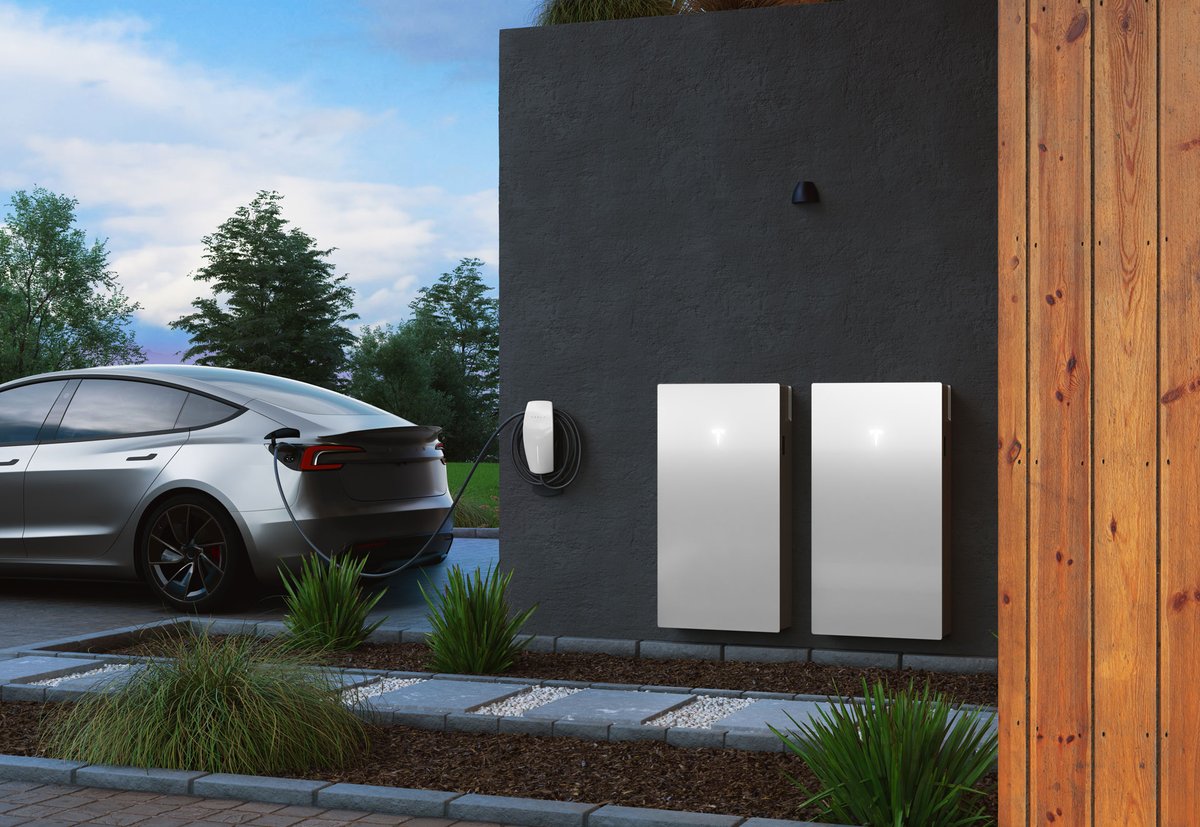
The evolution of virtual power plants extends beyond stationary home storage into the broader electric vehicle ecosystem. With bidirectional charging capabilities now standard across modern EV lineups, vehicles act as force multipliers for stationary home batteries. Official company disclosures confirm that synchronizing electric vehicle batteries with Powerwall systems effectively doubles a household’s export capacity during critical grid stabilization events.
When an EV is plugged in during high-payout windows, intelligent home energy managers automatically route excess vehicle energy through the Powerwall 3 inverter. This setup allows residential microgrids to discharge up to twenty-two kilowatts back to the utility grid simultaneously. Industry analysts point out that households operating paired EV and stationary storage setups earned payouts upwards of fifteen hundred dollars during peak seasonal stress periods.
This deep integration protects regional transmission lines from brownouts while preventing localized EV charging from placing unintended strain on transformers. By coordinating charging routines around solar production and grid demand curves, home energy setups turn electric vehicles into stabilizing assets. Grid operators increasingly rely on these distributed vehicle-to-grid networks to maintain frequency stability during unpredicted regional power outages.
Market Impact and Future Outlook
The strong financial performance of virtual power plants is altering consumer payback calculations for residential solar and battery hardware. Regulatory filings indicate that total equipment payback timelines have dropped to under five years in prime markets when accounting for VPP revenue and federal tax incentives. Consequently, solar installation firms report record conversion rates among customers who previously viewed battery storage strictly as an expensive backup solution.
Looking ahead through 2030, industry analysts predict that aggregated residential energy storage will form the backbone of clean energy grids worldwide. As power market regulations evolve to further decentralize capacity bidding, virtual power plant payouts are projected to remain a major recurring revenue stream. The Powerwall 3 has demonstrated that consumer energy assets can deliver substantial financial returns while reinforcing public infrastructure.