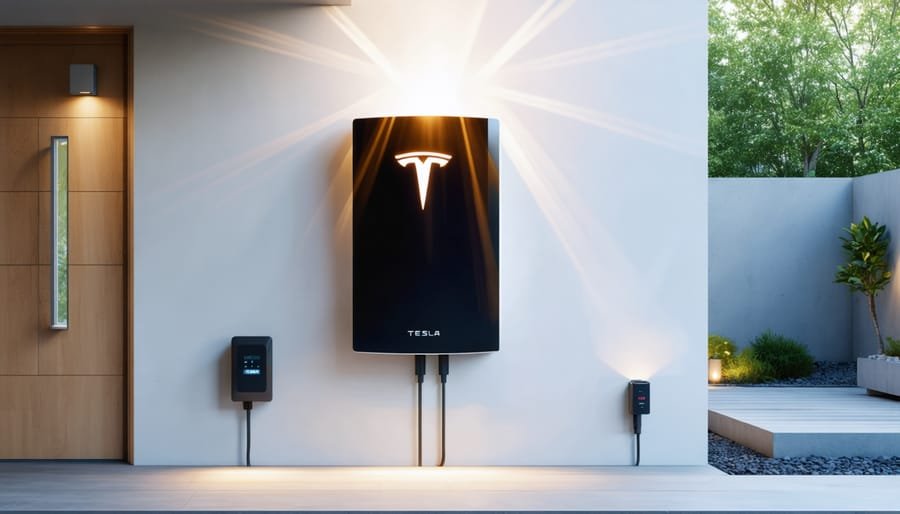
As off-grid residential infrastructure accelerates in 2026, high-capacity energy storage systems are transforming rural property development. Tesla has expanded its energy division's reach by deploying multi-unit Powerwall configurations engineered specifically for expansive remote estates. These enterprise-grade residential setups allow large properties to maintain complete electrical autonomy without relying on fossil fuel backup generators or unstable localized utility connections.
According to official company disclosures, the latest high-output battery architecture integrates seamlessly with massive solar arrays and residential electric vehicle fleets. The technology leverages advanced lithium iron phosphate chemistry to deliver continuous high-kW discharge rates, capable of powering heavy HVAC machinery, agricultural pumping systems, and high-speed vehicle chargers simultaneously. This evolution marks a significant shift from supplemental emergency backup to permanent grid detachment.
Engineering data confirms that multi-stack configurations can store over two hundred kilowatt-hours of usable energy on a single private estate. By pairing these battery banks with bidirectionally capable EVs, estate owners effectively turn their garages into mobile power reserves. The combined system dynamically balances electrical loads, ensuring uninterrupted operation even during extended severe weather events or prolonged seasonal sun droughts.
Advanced Microgrid Management and Thermal Resilience
Managing complex energy loads across large acreage requires sophisticated algorithmic forecasting and real-time load shedding. Industry analysts note that Tesla's integrated software automatically predicts local microclimate trends and adjusts charging cycles accordingly. Property owners can monitor real-time generation, consumption, and vehicle power routing through a unified dashboard, eliminating the need for third-party microgrid hardware controllers.
Thermal management remains a crucial milestone for off-grid installations located in extreme environments, from desert estates to sub-zero alpine retreats. Official company disclosures highlight liquid-thermal cooling systems embedded directly within each battery unit, ensuring maximum efficiency under intense discharge cycles. This closed-loop thermal regulation prevents capacity degradation and maintains optimal operational safety across ambient temperature extremes.
Regulatory filings show that recent hardware approvals have streamlined the permitting process for high-voltage residential microgrids in remote regions. Local zoning boards increasingly favor battery-based storage over traditional diesel generators due to zero tailpipe emissions and silent operation. Consequently, rural luxury developers are embedding these comprehensive energy systems directly into initial architectural blueprints rather than retrofitting existing properties.
EV Fleet Integration and Bidirectionality
Vehicle-to-home capabilities have become a standard feature for premium electric vehicles, transforming garage fleets into active grid assets. Engineering data demonstrates that linking multiple electric trucks and SUVs to the central home energy system creates an unprecedented power buffer. During peak draw periods, connected vehicles can discharge power back into the estate before recharging during solar peak hours.
This bi-directional ecosystem eliminates the traditional power bottleneck often associated with charging multiple electric vehicles in off-grid locations. Instead of straining the primary battery bank, intelligent power distribution routes excess solar generation directly into vehicle packs. Industry analysts emphasize that this closed-loop management reduces total energy losses across the system to historical lows, maximizing total home efficiency.
Furthermore, remote properties equipped with high-speed DC fast charging can now top up heavy-duty electric trucks without causing voltage drops across the household system. The localized battery buffer supplies the immediate surge current, while the primary solar array gradually replenishes the reserve. This capability unlocks true utility for remote working ranches, eco-resorts, and secluded private estates alike.
Economic Realities and Long-Term Value
While upfront capital expenditure for multi-unit storage networks remains substantial, long-term financial modeling indicates significant operational savings. Regulatory filings reveal that property owners drastically reduce long-term maintenance overhead by eliminating traditional generator fuel logistics and line extension fees. Rural utilities often charge prohibitive sums to stretch power lines to distant properties, making localized microgrids financially superior.
Additionally, energy independence insulates estate owners from volatile grid electricity tariffs and emergency peak pricing structures. Industry analysts point out that properties featuring complete off-grid power resilience consistently command higher real estate valuations. Buyers in the luxury sector increasingly prioritize infrastructure self-reliance alongside traditional architectural aesthetics, viewing full energy independence as the ultimate luxury asset.
Future Outlook and Scalability
Looking ahead through the end of 2026 and into 2027, modular energy storage is poised to become the baseline standard for off-grid architecture. Engineering data suggests that continuous improvements in solid-state and advanced LFP battery densities will further reduce installation footprints. Smaller footprints allow seamless integration into remote terrain, preserving natural landscapes while delivering uncompromised power capabilities.
As renewable technology matures, the convergence of high-capacity residential batteries, advanced solar collection, and intelligent electric vehicles creates a robust framework for total autonomy. Official company disclosures indicate ongoing firmware updates will introduce autonomous energy trading between neighboring off-grid properties via localized mesh networks. This innovation could transform isolated private estates into collaborative, self-sustaining regional microgrids.
Ultimately, the shift toward complete energy independence redefines how luxury estates interact with their environment. By combining intelligent software management with heavy-duty storage hardware, property owners no longer sacrifice modern convenience for rural seclusion. The modern estate operates as a fully autonomous energy fortress, setting a new benchmark for sustainable, high-performance living in remote destinations worldwide.