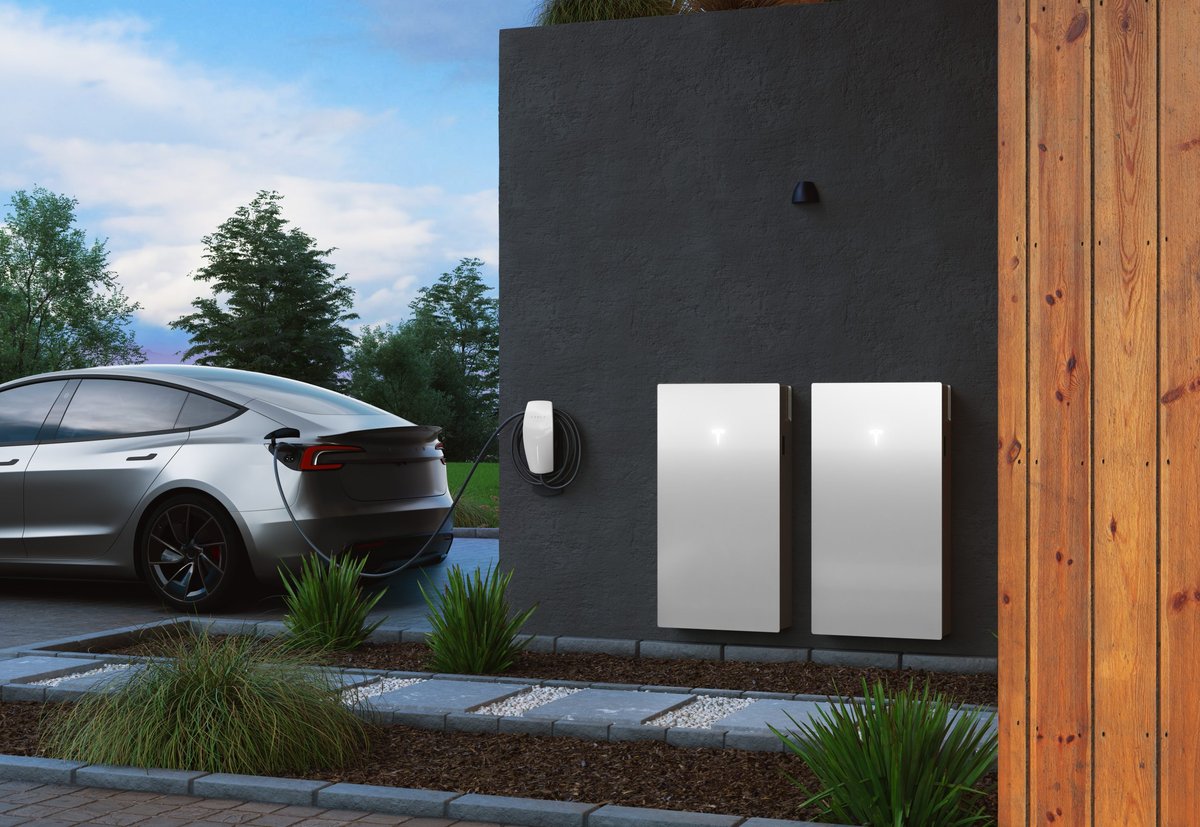
Engineering High-Capacity Microgrids for Isolated Properties
Recent engineering data highlights a major shift in luxury residential energy architecture as high-capacity energy storage systems replace legacy fossil fuel generators across isolated estates. Tesla has expanded its Powerwall ecosystem to support massive multi-unit configurations capable of sustaining off-grid luxury residences indefinitely. These advanced microgrids integrate directly with extensive solar arrays and vehicle-to-home charging systems to provide uninterrupted power without relying on municipal infrastructure.
According to official company disclosures, the latest Powerwall installations feature integrated thermal management and variable output capabilities engineered specifically for extreme remote climates. Estate owners can now scale system storage beyond one hundred kilowatt-hours while maintaining continuous peak output for high-demand HVAC and water filtration systems. This structural design ensures that sprawling compounds remain operational during prolonged regional blackout events or severe weather disruptions.
Industry analysts note that remote properties previously faced exorbitant utility interconnection fees that often exceeded the cost of installing standalone storage arrays. By utilizing localized generation combined with modular battery clusters, remote development projects are eliminating long transmission lines entirely. This strategic evolution simplifies site permitting while accelerating construction timelines for off-grid architectural designs.
Vehicle-to-Grid Integration and Fleet Load Management
Regulatory filings reveal that multi-vehicle electric fleets are becoming integral components of estate power management strategies across rural districts. Modern Powerwall software orchestrates bi-directional energy flow between parked electric vehicles and residential storage banks to balance heavy electrical loads. When combined with fleet charging protocols, the estate grid automatically draws power from vehicle batteries during sudden demand spikes.
Engineering data indicates that intelligent load-balancing algorithms prioritize critical life-safety systems and refrigeration over secondary amenities during extended off-grid cycles. The software continuously calculates available solar irradiance, current vehicle state-of-charge, and historical consumption patterns to optimize energy distribution. This predictive capability prevents catastrophic system shutdowns even during multi-day atmospheric events with minimal solar generation.
Official company disclosures emphasize that seamlessly integrated vehicle-to-home charging hardware reduces the overall battery capacity required for permanent residential installation. Property owners can leverage the mobile capacity of several electric vehicles to expand overall storage reserve by hundreds of kilowatt-hours. Consequently, remote estates achieve full energetic self-reliance while maintaining fleet readiness for everyday transportation requirements.
Economic and Regulatory Drivers for Remote Storage Deployment
Industry analysts point out that recent updates to rural electrification tax incentives have drastically lowered capital expenditure thresholds for microgrid installations. Federal and regional clean energy mandates now treat private residential storage systems with equivalent financial benefits to commercial infrastructure projects. These regulatory adjustments have encouraged property developers to install comprehensive battery arrays during initial estate construction phases.
Regulatory filings indicate that rural utility providers are actively supporting non-interconnected estate installations to avoid maintaining costly distribution lines in fire-prone regions. In many jurisdictions, energy commissions allow utilities to issue rebates for customers who voluntarily decouple high-consumption properties from the central power grid. This mutually beneficial arrangement reduces wildfire risk for power companies while enhancing reliability for property owners.
According to official company disclosures, warranty coverage for residential storage hardware has been restructured to support continuous off-grid cycling protocols. Previous limitations on annual throughput have been expanded to accommodate daily deep-discharge cycles common in fully autonomous microgrid applications. This policy modification provides long-term operational certainty for high-net-worth buyers investing in luxury rural real estate developments.
Technical Advancements in Battery Chemistry and Power Control
Engineering data confirms that adoption of advanced lithium iron phosphate chemistry has significantly increased the operational lifespan and safety profile of Powerwall units. Modern cell architectures demonstrate enhanced thermal stability, eliminating thermal runaway risks in remote installations far from emergency services. Furthermore, these chemistry improvements enable higher discharge rates, allowing heavy industrial machinery and well pumps to start without voltage drops.
Industry analysts note that solid-state control electronics have drastically reduced standby power conversion losses across large-scale residential battery banks. Next-generation inverter technology achieves round-trip efficiency rates exceeding ninety-five percent under continuous heavy load conditions. These technical efficiencies allow remote properties to maximize solar capture while minimizing the total physical footprint of solar generation fields.
Official company disclosures emphasize that localized firmware management allows automated real-time diagnosis and self-healing procedures for isolated installations. System controllers monitor individual battery cell health, automatically isolating malfunctioning modules without taking the wider energy storage matrix offline. This fault-tolerant engineering strategy ensures high system availability for estates located hours away from certified service technicians.
Autonomous Grid Management and Long-Term Market Impact
Engineering data indicates that real-time satellite telemetry integrations enable Powerwall networks to dynamically adapt to approaching storm fronts. When severe weather forecasts are received via satellite link, the microgrid system automatically shifts to maximum reserve mode and pre-charges all connected electric vehicles. This proactive defense posture optimizes resilience before local infrastructure experiences weather-induced damage or transmission line failures.
Industry analysts project that off-grid technology deployed in luxury estates will rapidly cascade into broader residential housing developments over the next decade. As production volumes scale and system costs decline, autonomous microgrid packages will become standard equipment for master-planned suburban communities. This shift marks a fundamental transformation in electric utility business models toward localized generation and decentralized grid infrastructure.