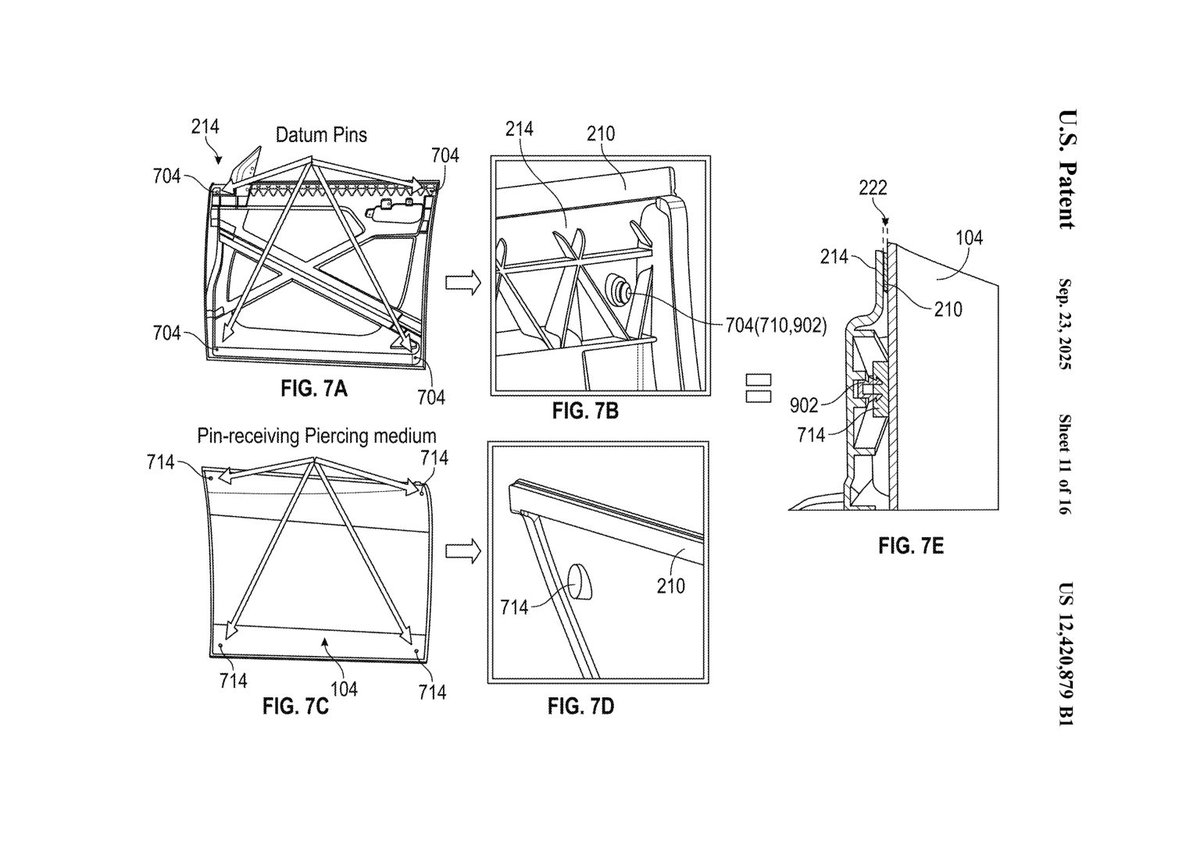
Official company disclosures published in early 2026 reveal that Tesla has secured a comprehensive suite of new international patents covering automated wireless inductive home charging systems. The IP filings detail high-efficiency magnetic resonance hardware designed to bridge the gap between grid infrastructure and residential garages. Industry analysts suggest this breakthrough signals a major step toward fully autonomous vehicle ownership ecosystem integration.
Engineering data submitted to global intellectual property registries highlights a multi-coil transmitter pad that dynamically shifts electromagnetic frequency to optimize energy transfer. The primary assembly mounts directly to residential floor surfaces while communicating wirelessly with an underbody receiver module. According to regulatory filings, the physical architecture operates at thermal levels comparable to traditional wired wall connectors.
Advanced Magnetic Resonance and Thermal Management
The technical documentation shows an impressive peak energy transfer efficiency rating of up to ninety-five percent across standard air gaps. This high-efficiency performance relies heavily on active liquid cooling channels integrated directly beneath the magnetic receiver assembly. Industry analysts note that overcoming historical inductive power dissipation issues represents a significant engineering achievement for high-kw residential charging applications.
Additionally, official company disclosures describe a dynamic alignment feedback system utilizing near-field communication signals to guide vehicles over the charging pad. The vehicle auto-parks with millimeter precision, eliminating the alignment errors that traditionally reduced wireless charging efficiency. Engineering data confirms the automated alignment routine works seamlessly with current autonomous parking features deployed in production software.
Safety features detailed in regulatory filings highlight advanced foreign object detection systems that constantly monitor the magnetic field zone. High-frequency radar units instantly identify living targets or metallic debris resting on the ground pad. When an obstacle is detected, the inductive transmitter ramps down power within milliseconds to prevent localized heating or electrical interference.
Autonomous Fleet Integration and Ecosystem Synergy
Industry analysts emphasize that hands-free inductive charging serves as a critical enabler for fully autonomous robotaxi operations expected later this decade. Without requiring human intervention to plug in physical cables, driverless vehicles can return to residential hubs or depot locations to recharge automatically. Regulatory filings indicate the system design supports standardized bidirectional power flow for vehicle-to-grid grid stabilization.
The patent portfolio also outlines modular garage floor integration kits capable of retrofitting existing residential electrical subpanels cleanly. Homeowners can install surface-mounted or sub-floor flush pads paired with specialized wall-mounted power conversion units. According to engineering data, these power conversion modules leverage high-density silicon carbide semiconductors to convert residential alternating current into optimized direct current fields.
Manufacturing projections referenced in official company disclosures suggest that key underbody receiver components will be integrated directly into next-generation vehicle platforms. Older fleet models may receive tailored retrofit options through certified service centers depending on battery management architecture compatibility. Industry analysts point out that factory integration will dramatically reduce per-unit manufacturing costs over the next several production cycles.
Market Impact and Competitive Landscape
The reveal of these patents has prompted substantial reaction across the broader electric vehicle component manufacturing sector. Competitors attempting to establish open inductive charging standards now face a heavily fortified intellectual property landscape dominated by proprietary Tesla designs. Regulatory filings show that cross-licensing negotiations could become a pivotal revenue stream as other automakers seek compatible home charging equipment.
Grid utility operators are also reviewing the engineering data to assess the impact of widespread residential inductive power draws. The patented charging controllers include intelligent load-balancing capabilities designed to schedule high-kw charging during off-peak hours automatically. According to industry analysts, smart home energy integration will help prevent local distribution transformers from experiencing severe voltage drops during peak residential evening hours.
Consumer response to early technological demonstrations indicates strong market demand for frictionless home charging solutions. Omitting physical cables reduces wear on charging connectors and eliminates weather-related charging hassles in harsh winter climates. Official company disclosures emphasize that zero-touch charging aligns perfectly with consumer preferences for automated, effortless ownership experiences across all vehicle segments.
Future Roadmap and Commercial Availability
While the patent grant confirms technological viability, commercial deployment timelines depend on finalized regulatory approvals for high-power magnetic emissions. Engineering data indicates that prototype testing units meet international electromagnetic safety guidelines under normal operation. Industry analysts expect limited pilot installations to commence in select North American markets before full commercial rollout by late 2026.
Cost estimates derived from regulatory filings suggest the initial residential wireless package will carry a premium over standard wall boxes. However, rapid scaling of silicon carbide electronics and standardized receiver assemblies is projected to narrow that price gap quickly. Official company disclosures reiterate that long-term vehicle design goals center around complete hardware unification for wireless charging capabilities.
As the electric vehicle sector shifts toward total autonomy, wireless power transmission represents a pivotal evolutionary milestone. The newly unveiled patent documents demonstrate a comprehensive, highly refined vision for residential energy delivery. According to industry analysts, successful execution of this wireless charging roadmap will set a new benchmark for automotive convenience and energy ecosystem integration worldwide.