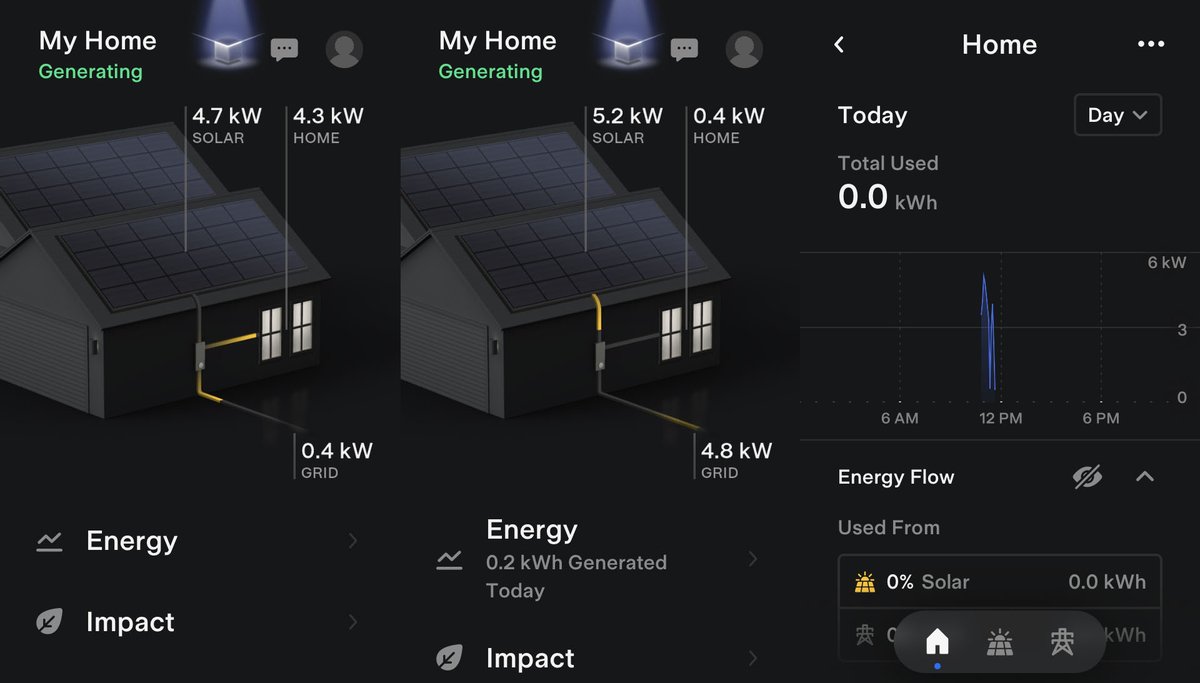
Tesla has accelerated its push into residential energy infrastructure with refined metrics for its proprietary solar inverter lineup in 2026. According to recent engineering data, the company has consolidated its power conversion hardware to deliver unified management across rooftop solar, energy storage, and electric vehicle charging. This integrated approach aims to streamline home energy hardware while maximizing solar harvest efficiency under variable environmental conditions.
The primary driver behind these operational advances is an evolved internal switching topology utilizing advanced silicon carbide power electronics. Official company disclosures indicate that this architecture drastically reduces switching losses, allowing higher thermal tolerances within a compact housing enclosure. By minimizing internal heat generation, the inverter unit operates efficiently without requiring active liquid cooling systems, substantially improving long-term component durability and unit reliability.
Next-Generation Conversion Efficiency Benchmarks
In terms of power conversion, official engineering data highlights a peak efficiency rating of 98.6 percent for direct current to alternating current conversion. More importantly, the Weighted California Energy Commission efficiency metric reaches 98.0 percent across typical operating voltages. These figures place the hardware among the top performers in the residential solar sector, enabling homeowners to capture significantly more energy during early morning and late afternoon hours.
Thermal management tests included in recent regulatory filings confirm that the inverter maintains high throughput even under ambient temperatures exceeding 113 degrees Fahrenheit. Traditional string inverters often experience significant derating when exposed to extreme heat, resulting in clipped energy output. The modified convection design mitigates this thermal bottleneck, ensuring consistent generation during peak summer production periods when electricity demand and solar exposure are highest.
Furthermore, direct integration with DC-coupled storage systems minimizes dual-inversion losses that usually occur when solar power is routed through battery storage. Engineering data demonstrates that maintaining direct current pathways directly to residential battery packs yields a total system round-trip efficiency gain of roughly 2.5 percent. This structural efficiency boost substantially decreases overall energy waste across daily charge and discharge cycles.
Comprehensive Warranty Terms and Longevity Metrics
To reassure residential customers and institutional financiers, Tesla has standardized a comprehensive 12.5-year manufacturer warranty across all standard inverter shipments, with optional 25-year extensions available. Official company disclosures specify that this warranty covers both functional operational defects and output performance standards. This move directly aligns the warranty envelope with industry standards for solar panels, eliminating coverage gaps for full rooftop installations.
Warranty terms detailed in regulatory filings confirm that labor reimbursement costs associated with field repairs and unit swaps are included under certified installer network programs. In addition, automated remote diagnostics allow engineers to detect component degradation or software faults before complete system shutdown occurs. This proactive maintenance strategy significantly reduces physical site visits, drastically accelerating overall service turnaround times for end users.
Industry analysts point out that these warranty protections represent a critical competitive positioning tool against established microinverter manufacturers. While microinverters historically offered longer standard protection windows, Tesla’s extended coverage options combined with reduced unit replacement complexity present a compelling economic counterargument. The streamlined single-inverter architecture minimizes points of failure across residential roofs, decreasing potential maintenance liabilities over a multi-decade system lifespan.
Grid Integration and Smart Energy Optimization
Advanced firmware features embedded in the 2026 inverter hardware enhance real-time grid stabilization capabilities. Official company disclosures confirm that the units support fast frequency response and grid-forming voltage regulation during localized power outages or system imbalances. These capabilities enable broader participation in Virtual Power Plant networks, allowing aggregated residential units to trade stored capacity back to utility operators instantly.
Engineering data indicates that real-time over-the-air firmware adjustments dynamically tune Maximum Power Point Tracking algorithms to respond to rapid cloud cover changes. By optimizing current collection every few milliseconds, energy output remains steady despite sudden shifts in sunlight intensity. This intelligent tracking software ensures maximum solar conversion without causing hardware stress or internal thermal spikes.
Industry Impact and Market Deployment Outlook
Manufacturing scale plays a crucial role in lowering production costs for this new hardware generation. Regulatory filings show that expanded production lines in domestic gigafactories have lowered per-watt manufacturing expenditures by nearly 14 percent compared to earlier iterations. Localized supply chains also shield the manufacturing process from international trade fluctuations, ensuring steady delivery volumes across regional installation hubs worldwide.
Industry analysts project that higher conversion performance combined with solid warranty terms will shorten the average investment payback period for consumers by 1.5 to 2 years. Lower operational risk paired with improved power harvesting increases overall return on investment across both residential installations and commercial microgrid deployments. Consequently, adoption velocity across solar-plus-storage installers is expected to accelerate dramatically throughout 2026.
Beyond standard rooftop solar configurations, the unified inverter topology enhances EV charging integration. Engineering data notes that direct power management between solar arrays and electric vehicle chargers minimizes home electrical service upgrades during installation. By intelligently sharing load capacity across household appliances and vehicle chargers, homes can sustain high-capacity vehicle charging without overloading standard residential electrical panels.
Ultimately, Tesla’s updated solar inverter metrics signal a broader market transition toward consolidated, high-efficiency home power management platforms. Industry analysts conclude that combining rigorous efficiency targets with comprehensive warranty terms sets a new standard for decentralized power systems. As residential clean energy adoption continues to expand, these technical improvements position integrated hardware topologies as the core foundation for sustainable home energy ecosystems.