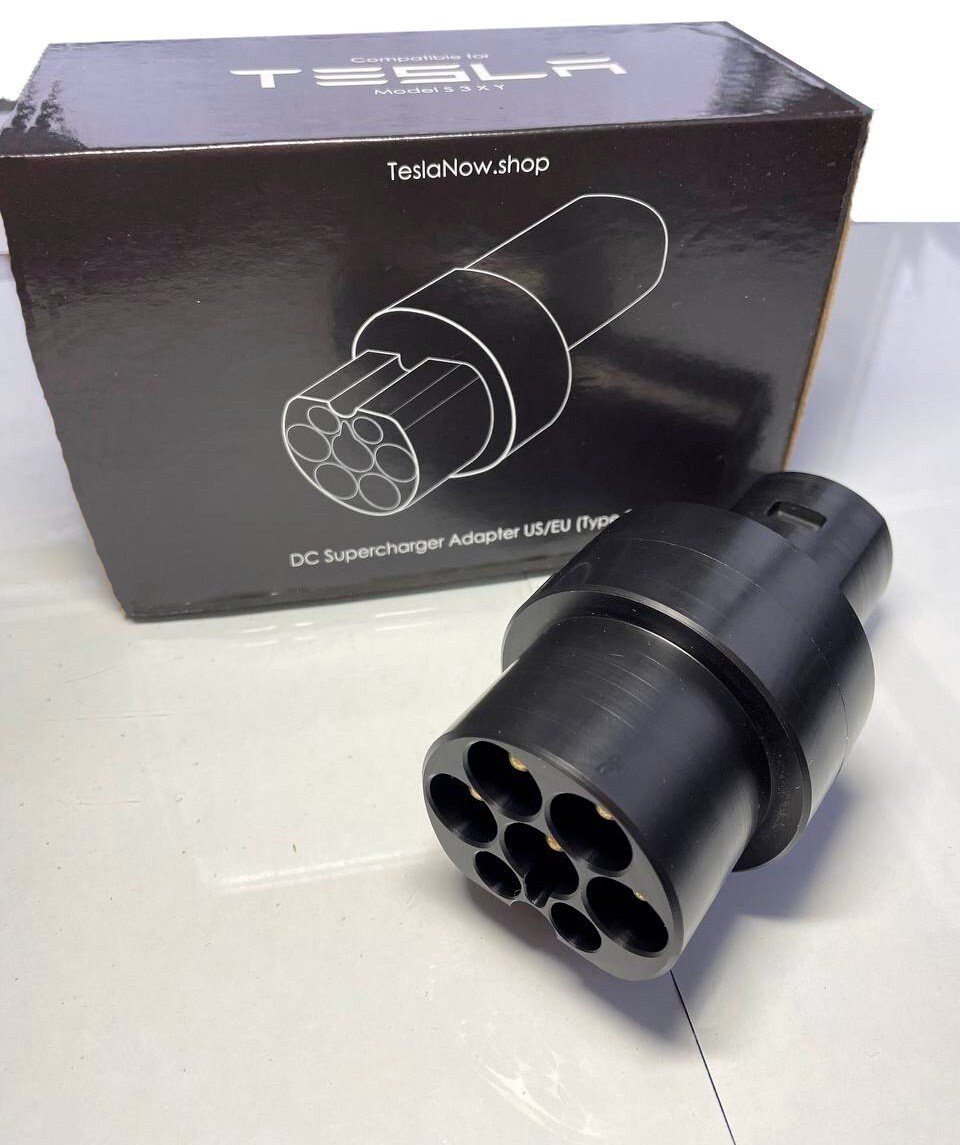
The full integration of non-Tesla electric vehicles into the North American Supercharger network has reached a pivotal tipping point in 2026. As automakers complete their transition toward the North American Charging Standard, millions of legacy Combined Charging System drivers rely on official adapters. Official company disclosures indicate that charging throughput across open stations has surged by over forty percent year-over-year.
Automotive manufacturers have significantly streamlined their hardware distribution channels to eliminate earlier delivery backlogs. Brand-certified NACS-to-CCS1 adapters are now routinely supplied at vehicle delivery or distributed directly through dealership networks. Engineering data confirms that these ruggedized adapters maintain continuous power transfer exceeding two hundred kilowatts without thermal degradation during peak fast-charging sessions across extreme ambient temperatures.
The rapid proliferation of approved adapters has transformed public charging access across major highway corridors. Legacy electric models from major global brands can now access thousands of previously restricted V3 and V4 Supercharger stalls. Industry analysts project that this expanded connectivity will eliminate range anxiety for second-hand EV buyers while accelerating the retirement of unreliable independent public charging hardware.
Hardware Standardization and Thermal Performance
Safety compliance has remained a central focus during the rollout of high-current adapter units. Regulatory filings submitted to federal transportation authorities highlight rigorous safety testing standards, including flame-retardant casing requirements and integrated temperature sensors. These internal sensors actively communicate with vehicle management software to automatically reduce current flow if contact pin temperatures exceed safety thresholds during operation.
High-voltage vehicle architectures operating at eight hundred volts presented unique engineering obstacles during early integration efforts. Official company disclosures reveal that specialized firmware updates on V4 Supercharger cabinets now dynamically regulate voltage step-up processes through the adapter bridge. This software-hardware integration allows high-voltage vehicles to achieve maximum permissible charge rates without damaging sensitive onboard power electronics.
Precision manufacturing has helped drastically lower unit production costs while improving structural durability. Engineering data indicates that third-generation adapter housings utilize aerospace-grade copper pins and ultrasonic weld joints capable of enduring thousands of mating cycles. Field reports demonstrate that latching mechanisms maintain structural integrity even after exposure to heavy rain, freezing ice, and severe road grit.
Software Ecosystem and Seamless Payment Integration
Beyond mechanical compatibility, digital handshake protocols have matured significantly to deliver a unified user experience. The implementation of ISO 15118 Plug and Charge capabilities enables non-Tesla vehicles to authenticate and initiate charging automatically upon plugging in. Industry analysts note that removing the requirement for mobile application intervention has matched the seamless operational simplicity originally unique to Tesla owners.
Automaker navigation platforms now feature real-time stall availability and active route optimization through standardized cloud Application Programming Interfaces. Drivers receive predictive guidance showing whether appropriate adapters are required and which specific stalls accommodate non-standard charge port locations. Official company disclosures highlight that backend data synchronization between automakers has slashed false charging error reports by over eighty percent.
Dynamic billing settlement architecture has resolved complex cross-brand subscription models and regional currency conversions. Payments are automatically processed through the driver's connected automaker account or primary wallet app without extra service surcharges. Regulatory filings document that unified pricing structures must remain transparent, displaying clear per-kilowatt-hour rates directly on station displays and vehicle infotainment screens.
Infrastructure Expansion and Spatial Redesign
Physical modifications across Supercharger locations have significantly mitigated operational congestion caused by differing charge port placement. Newer V4 Supercharger installations incorporate longer cable assemblies and revised dispenser positioning to eliminate the need for awkward parking angles. Industry analysts point out that older retrofitted sites rely on clearly designated parking markings to help non-Tesla drivers park without blocking adjacent charging stalls.
Federal incentives and National Electric Vehicle Infrastructure program grants have accelerated open access retrofits nationwide. To qualify for federal funding allocations, charging site operators must guarantee open access for all standard-compliant vehicles via integrated dispensers or certified adapters. Regulatory filings confirm that federal compliance audits have driven rapid hardware modernizations across rural transit corridors previously lacking reliable fast-charging infrastructure.
Site reliability metrics have witnessed notable improvements as station software adaptively balances power distribution across mixed-fleet charge sessions. Engineering data shows that real-time load sharing prevents grid strain during peak utility hours while maximizing power output to each connected vehicle. Advanced cooling systems inside V4 dispensers keep cable temperatures low, sustaining high current transfers even when multiple high-capacity EV batteries charge simultaneously.
Market Impact and Long-Term Ecosystem Outlook
The financial implications of universal adapter integration extend across the entire automotive sector. Service revenue generated from non-Tesla charging sessions has evolved into a substantial high-margin earnings driver for Tesla Energy operations. Official company disclosures indicate that recurring network utilization fees are funding aggressive capital expenditures for next-generation charging hubs equipped with renewable solar arrays and stationary megawatt-scale battery storage.
Legacy automakers have similarly benefited from increased customer confidence and improved electric vehicle residual values. Industry analysts emphasize that access to a reliable, unified fast-charging network removes the single greatest barrier to mass-market EV adoption. As factory-native NACS ports completely replace legacy CCS inlets in upcoming model years, adapters will gradually serve as legacy bridge tools for older zero-emission fleets.