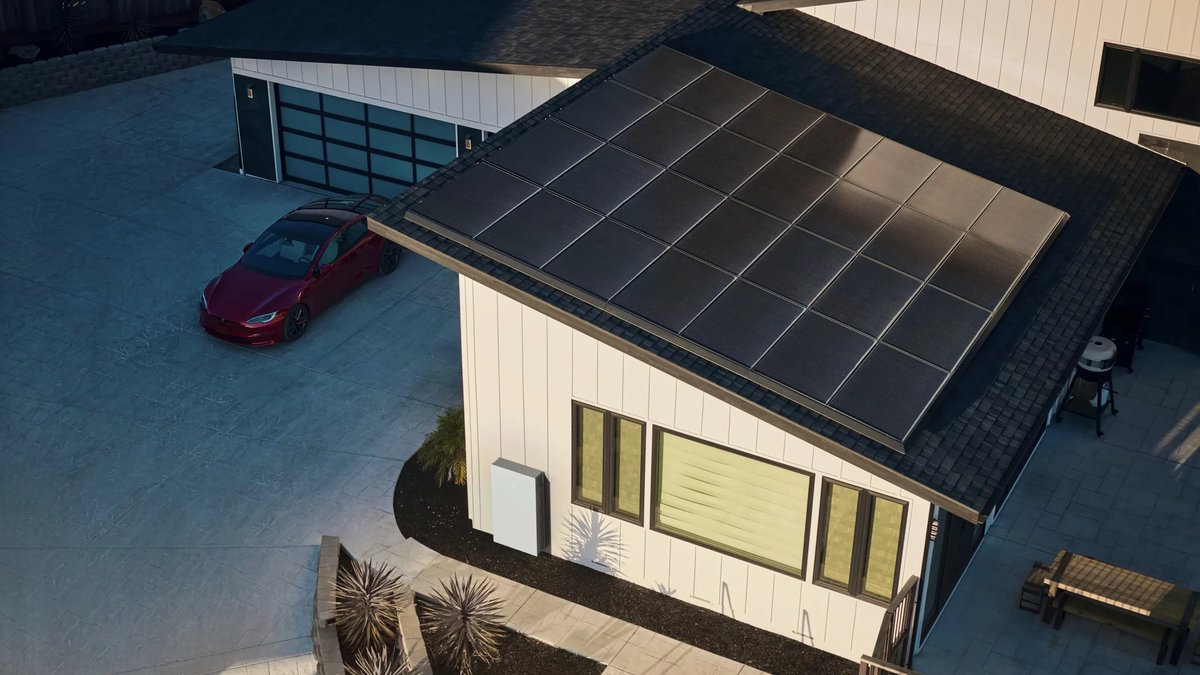
Tesla has officially initiated the rollout of its updated commercial Solar Roof grid-tie integration architecture, targeting large-scale enterprise facilities across North America in early 2026. This upgraded system combines high-efficiency photovoltaic glass tiles with megawatt-scale power electronics designed specifically for complex industrial distribution networks. According to official company disclosures, the system allows commercial properties to stream self-generated clean electricity directly into high-voltage local utility feeds.
The primary objective of this deployment centers on bridging the gap between high-capacity renewable generation and rapid electric vehicle fleet charging demands. Facilities equipped with the hardware can seamlessly balance onsite energy production with heavy-duty depot charging demands without overloading local sub-stations. Industry analysts note that this architectural shift marks Tesla's transition from residential solar provider to a comprehensive commercial microgrid infrastructure developer.
Next-Generation Inverter and Grid Hardware
At the heart of the new grid-tie configuration lies a custom three-phase commercial solar inverter capable of supporting up to one megawatt of continuous alternating current output. Engineering data shows that the inverter operates at a peak efficiency rating of ninety-nine percent, drastically reducing thermal losses during intense mid-day generation windows. The integrated power control system dynamically adjusts output voltage to match fluctuating grid conditions in real time.
Additionally, the system features bidirectionally isolated power pathways that allow commercial operators to isolate from the central grid during regional power outages. Regulatory filings indicate that the grid-tied solar array works alongside commercial Megapack installations, creating localized microgrids capable of sustaining facility operations indefinitely. This modular capability provides crucial reliability for logistical hubs operating large electric vehicle distribution fleets.
Installation procedures have also been simplified through pre-fabricated structural mounting hardware designed for commercial flat and low-slope roof membranes. Engineering data indicates that the interlocking tile layout reduces installation timelines by forty percent compared to previous commercial solar iterations. Each tile section features integrated micro-channel wiring harnesses that minimize line losses across expansive industrial roof footprints.
Megawatt-Scale Fleet Charging Compatibility
The integration directly supports high-output electric vehicle charging hubs, including Tesla Semi Megacharger locations and logistics depots. By feeding high-voltage direct current directly into localized charging buses, the system bypasses redundant conversion steps that traditionally waste significant amounts of power. Industry analysts emphasize that this direct-DC routing improves total fleet charging energy efficiency by up to twelve percent.
Commercial fleets operating on strict delivery schedules benefit from predictable energy costs provided by onsite solar capture. Official company disclosures highlight that facilities utilizing the grid-tie architecture can cap their peak demand charges from utility companies. By automatically buffer-charging stationary Megapack batteries during peak solar hours, facilities avoid costly demand tariffs during evening vehicle turnaround windows.
Grid operators stand to benefit from the software intelligence embedded within the new commercial power control units. The systems automatically respond to utility signals by providing frequency regulation and reactive power support to local distribution grids. Regulatory filings disclose that commercial participants can monetize these ancillary grid services through automated market bidding platforms.
Economic Drivers and Enterprise Adoption
Initial commercial pilot projects have demonstrated rapid capital payback periods for enterprise logistics operators adopting the technology. Engineering data from test sites in California and Texas reveals that roof-integrated solar arrays can offset up to eighty percent of total facility power consumption. This offset includes both primary building energy loads and daily vehicle fleet charging requirements.
Corporate sustainability mandates are further accelerating interest among major retail logistics companies aiming to decarbonize supply chains by 2030. Industry analysts project that commercial solar-to-grid integrations will experience exponential growth over the next three years as heavy-duty fleet electrification mandates take effect. Expanding utility interconnection queues remain the primary bottleneck facing rapid national deployment schedules.
To mitigate interconnection delays, the updated power control system includes advanced rapid-shutdown and export-limiting features. These safety mechanisms allow commercial sites to operate in zero-export modes while awaiting final utility grid-tie approvals. Official company disclosures confirm that this capability enables commercial facilities to begin generating energy for internal vehicle fleets immediately upon physical installation.
Safety Standards and Regulatory Approvals
Safety certifications for the updated commercial Solar Roof technology have cleared major North American regulatory hurdles in early 2026. Regulatory filings confirm compliance with updated national electrical code standards regarding rapid shutdown, arc-fault protection, and structural fire resistance. The glass tiles carry maximum impact ratings, ensuring durability against severe weather events like hail and high-wind conditions.
Furthermore, real-time thermal monitoring across individual tile strings prevents potential electrical hot spots before hardware damage can occur. Engineering data demonstrates that automated sensors instantly bypass compromised tile sections, preserving overall system generation without requiring full array shutdowns. Maintenance teams receive automated diagnostics identifying exact component locations needing service, reducing operational downtime.
As commercial electric vehicle adoption accelerates worldwide, integrated solar-to-grid hardware represents a fundamental component of sustainable infrastructure. Industry analysts conclude that combining scalable generation with heavy fleet charging will dictate the future pace of enterprise decarbonization. The commercial Solar Roof grid-tie system establishes a benchmark for high-capacity, multi-functional clean energy architecture in 2026 and beyond.