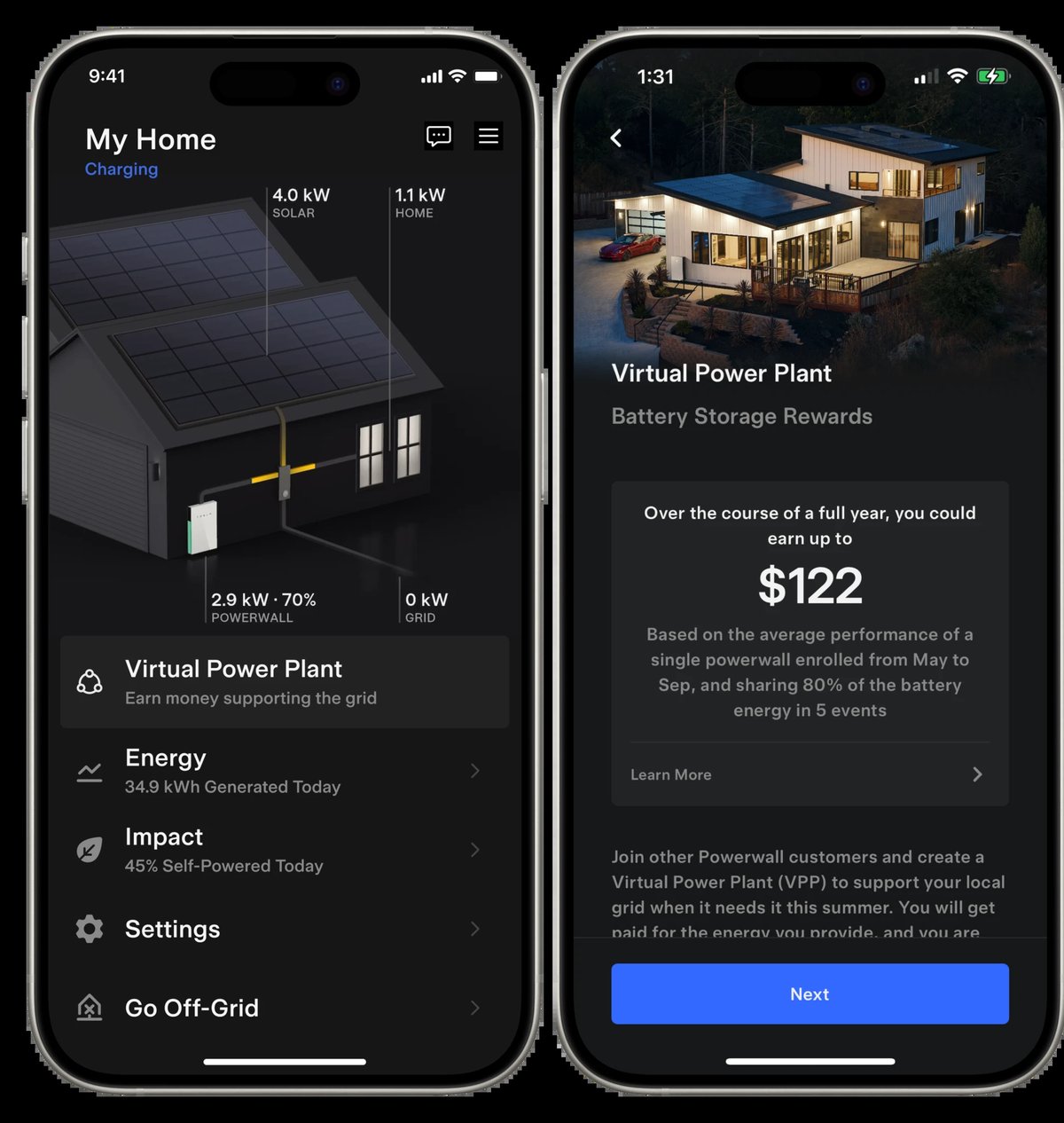
California's electrical grid faced unprecedented strain during the recent summer heatwave, but widespread blackouts were successfully averted through decentralized energy storage networks. Tesla's Virtual Power Plant program mobilized tens of thousands of residential Powerwall systems to feed critical electricity back into the state network. Official company disclosures highlight how distributed battery storage served as an essential buffer during peak demand windows across major metropolitan regions.
The automated dispatch mechanism triggered within milliseconds as wholesale energy prices spiked and utility generation reserves dropped dangerously low. Rather than relying solely on expensive fossil fuel peaking stations, grid operators drew upon decentralized consumer batteries to stabilize frequency and maintain baseline voltage. Engineering data confirms that this automated coordination provided immediate relief to transmission lines struggling under the weight of air conditioning demand.
Scaling Distributed Energy Storage
The scale of California's aggregated battery network has expanded dramatically throughout 2026, reaching record capacity figures across both residential and commercial sectors. Official company disclosures indicate that over one hundred thousand active Powerwall units participated in recent grid support events. Combined with commercial Megapack installations, this aggregated reserve provided continuous discharge rates equivalent to several medium-sized natural gas power stations operating at maximum output capacity.
Homeowners enrolled in the Virtual Power Plant initiative earned financial compensation directly tied to the electrical volume contributed during grid emergencies. Participating users retained absolute control over their battery reserve levels through smartphone software, ensuring home backup power was never fully depleted. Industry analysts emphasize that this direct economic incentive model has significantly accelerated residential solar and energy storage adoption throughout the western United States.
Engineering Data and Utility Performance
Engineering data submitted to state utility regulators reveals that the response speed of battery storage outperforms conventional thermal generation assets. While traditional power plants require hours to ramp up to operational status, distributed software networks react to frequency fluctuations in a fraction of a second. This rapid injection of power prevents localized voltage drops from cascading into systemic regional outages during extreme heat conditions.
Utility performance reports demonstrate that energy supplied by Virtual Power Plants during peak evening hours displaced significant carbon-intensive peaker plant operations. By substituting natural gas generation with stored clean energy, regional carbon emissions were reduced substantially during high-demand events. Regulatory filings confirm that utilities avoided millions of dollars in spot-market power purchases by utilizing aggregated distributed battery resources instead of emergency imports.
The California Independent System Operator has expanded its regulatory framework in 2026 to fully integrate distributed energy resource aggregations into wholesale markets. This policy shift allows software platforms to bid electricity directly into day-ahead and real-time power auctions alongside traditional power plants. Industry analysts project that this market maturation will establish a standard blueprint for electric utilities operating across North America and Europe.
Vehicle-to-Grid Expansion in 2026
A critical development in 2026 is the trial integration of electric vehicle fleets into the broader Virtual Power Plant architecture via bidirectional charging. Official company disclosures indicate that select electric vehicles are now capable of discharging back into home circuits and local power distribution grids. This expansion effectively multiplies total available battery capacity beyond stationary wall units, unlocking massive mobile power reservoirs during critical grid emergencies.
Engineering data confirms that complex battery management algorithms safeguard vehicle battery longevity during bi-directional grid export operations. The software dynamically restricts discharge cycles based on driver schedules, current state of charge, and ambient temperature conditions. Vehicle owners can set minimum range thresholds through mobile applications, ensuring daily commuting requirements remain fully prioritized before any power export occurs.
Market Impact and Infrastructure Economics
Industry analysts note that widespread Virtual Power Plant deployment fundamentally alters utility infrastructure investments across California. Deferring expensive sub-station upgrades and high-voltage transmission line construction saves ratepayers billions over coming decades. By leveraging private capital invested in consumer energy products, electric utilities can maintain grid reliability without imposing massive rate increases on public utility customers.
The success of the California model has accelerated expansion into neighboring power markets facing similar climate and generation challenges. Regulatory filings reveal active Virtual Power Plant expansion programs taking root in Texas, Arizona, and Nevada during 2026. Interregional coordination will eventually enable cross-border power balancing, allowing excess solar production in one state to offset evening peak demand spikes in neighboring regions.
Future Outlook for Grid Resilience
Regulatory filings indicate that software advancements scheduled for release in late 2026 will further enhance fleet aggregation capabilities. Machine learning algorithms will predict localized neighborhood grid stress hours in advance based on weather forecasts and historical consumption patterns. This predictive capability allows software platforms to pre-charge batteries during periods of abundant clean energy generation prior to anticipated grid emergency windows.
Industry analysts note that automotive competitors are rapidly attempting to duplicate this decentralized energy management model within their own ecosystem offerings. Emerging software partnerships between vehicle manufacturers and power utilities reflect a broader industrial shift toward software-defined energy ecosystems. Established market participants with widespread residential battery installations maintain a distinct competitive advantage in total dispatchable storage capacity across North America.
Industry analysts conclude that as climate volatility continues to challenge traditional electrical infrastructure, the integration of distributed energy assets represents a vital path forward. California's 2026 performance serves as definitive proof that aggregated consumer batteries can protect power grids under severe environmental pressure. Decentralized energy software has permanently transformed how modern utilities balance supply, demand, and grid stability across the digital age.