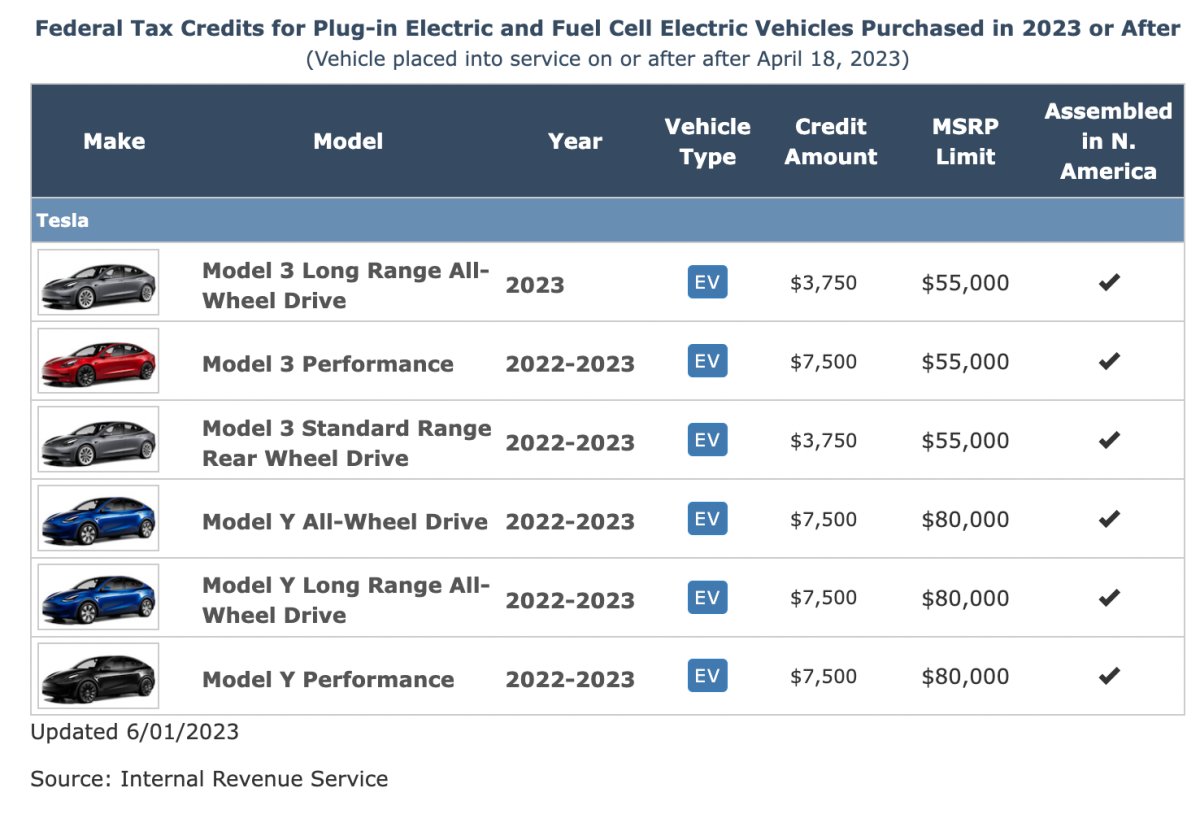
The landscape for electric vehicle incentives in the United States enters a pivotal era as updated federal tax credit regulations take full effect for the 2026 tax year. Building upon the framework established by recent legislation, these comprehensive eligibility shifts impose higher domestic sourcing thresholds for battery materials and assembly components. Automotive manufacturers must adapt rapidly to maintain consumer incentive eligibility across their vehicle lineups.
According to official company disclosures, major original equipment manufacturers are restructuring their supply networks to align with these stringent regulatory mandates. The maximum clean vehicle credit remains at $7,500, divided into two distinct $3,750 portions based on specific manufacturing criteria. Vehicles must fulfill separate critical mineral extraction and battery component assembly requirements to unlock the full tax incentive amount.
Strict Battery Sourcing Thresholds Redefine Market Eligibility
For the 2026 calendar year, engineering data indicates that at least 70 percent of the value of critical minerals contained in the battery must be extracted or processed in the United States or a free-trade agreement partner country. This represents a significant step up from prior years, placing immense pressure on mineral processing networks. Refiners must certify the exact geographic origin of lithium, nickel, cobalt, and graphite.
Simultaneously, the battery component requirement dictates that 80 percent of the total value of battery components must be manufactured or assembled in North America during 2026. Regulatory filings show that cell manufacturing facilities in states like Georgia, Michigan, and North Carolina are racing to increase local output. Failure to meet either benchmark cuts the eligible buyer incentive directly in half for otherwise qualifying electric models.
Engineering data confirms that several popular electric sedans and crossovers face partial credit reductions unless battery chemistry recipes undergo localized alterations. Suppliers are aggressively switching to North American-synthesized cathodes and anodes to satisfy these updated mathematical thresholds. As a result, automakers are rushing compliance documentation through regulatory verification channels before mid-year production cycles begin.
Foreign Entity Rules Eliminate Non-Compliant Supply Chains
The enforcement of Foreign Entity of Concern guidelines reaches absolute zero-tolerance status for 2026 vehicle production lines. Any vehicle containing critical minerals or battery components extracted, processed, or manufactured by a designated foreign entity faces total disqualification from tax credit eligibility. Industry analysts report that trace-element tracking systems are now mandatory across all Tier-1 and Tier-2 battery material supply chains.
Official company disclosures reveal that several carmakers spent millions auditing supply pathways to eliminate restricted geopolitical inputs. The audit process covers early-stage mining operations through final cell encasement, ensuring full regulatory compliance. Consequently, vehicles using non-compliant precursor materials are being redirected to international markets where domestic sourcing regulations do not impact consumer sales incentives.
To navigate these restrictions, automakers are increasingly forming direct joint ventures with accredited North American mining outfits and processing facilities. Industry analysts note that these strategic capital investments ensure compliant raw material feeds while insulating manufacturers from sudden trade policy shifts. Consequently, secure supply lines have transformed into a primary competitive advantage within the North American automotive sector.
Manufacturing Localizations Accelerate Across North America
Beyond battery sourcing rules, final assembly must still occur within North America to unlock any federal credit eligibility. Engineering data highlights a historic shift in capital expenditure, with vehicle assembly plants undergoing complete retooling to accommodate localized electric platform manufacturing. Facilities located in Mexico, Canada, and the United States are coming online to secure full federal qualification status.
Leasing vehicles continues to offer an alternative pathway for consumers aiming to access incentive savings under commercial clean vehicle rules. Regulatory filings demonstrate that commercial vehicle credits bypass strict battery content rules, allowing leasing companies to pass the full value to drivers. However, direct retail purchases remain heavily dependent on complete compliance with retail manufacturing standards and local sourcing quotas.
Consumer Price Limits and Income Caps Narrow Qualified Pool
Vehicle price caps continue to strictly govern federal eligibility alongside buyer income limitations in the 2026 regulatory environment. Vans, sport utility vehicles, and pickup trucks must maintain a manufacturer suggested retail price below $80,000 to qualify for buyer tax credits. Sedans, hatchbacks, and smaller passenger cars face a lower retail price cap threshold of $55,000, constraining luxury model options.
Individual buyers must also satisfy adjusted gross income restrictions to claim the point-of-sale financial tax benefit at retail dealerships. Modified adjusted gross income caps remain fixed at $300,000 for married couples filing jointly and $150,000 for single taxpayers. Industry analysts emphasize that these upper income limits ensure federal subsidization targets mainstream consumer demographics rather than high-income luxury vehicle buyers.
Long-Term Market Implications for Vehicle Adoption Rates
The point-of-sale transfer mechanism allows eligible vehicle buyers to apply the full credit directly as a down payment at certified dealership registers. Official company disclosures indicate that this immediate discount mechanism has bolstered sales conversion rates for fully compliant EV models. Dealerships must maintain active electronic registration portals with federal tax authorities to authorize real-time buyer credit transfers.
Industry analysts report that the 2026 eligibility shifts will accelerate price competition among automakers offering mass-market electric vehicles. To keep vehicle prices under the statutory thresholds while absorbing localized supply chain costs, manufacturers are redesigning vehicle architectures for greater production efficiency. Standardized battery module designs and structural pack integrations are becoming prevalent engineering solutions.
Ultimately, the 2026 federal EV tax credit adjustments mark a fundamental transition toward supply chain independence across the domestic automotive sector. While short-term disruption remains evident as manufacturers adapt to complex compliance requirements, long-term investments in North American battery production infrastructure are reaching maturity. The resulting market offers consumers a growing array of compliant, locally produced electric vehicles.