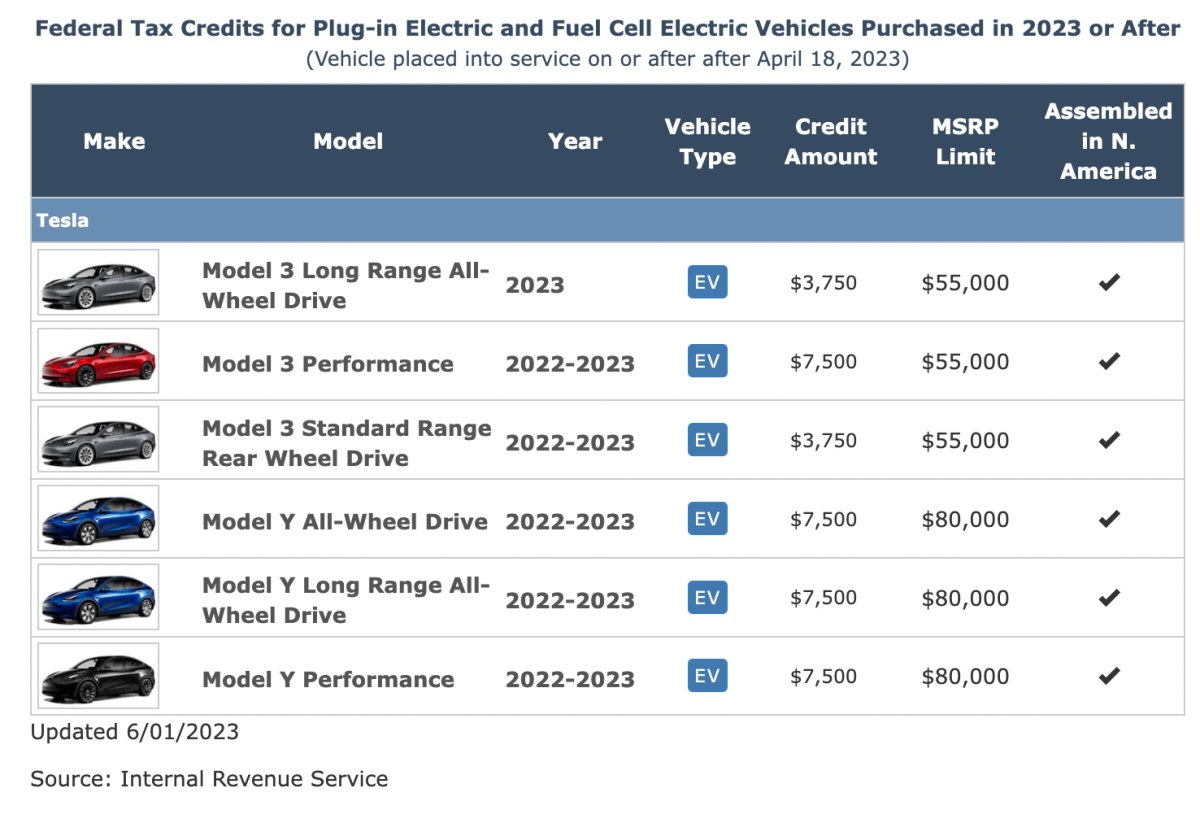
The landscape for electric vehicle incentives in the United States undergoes a major transformation in 2026 as federal regulations enforce stricter eligibility criteria. Under Section 30D of the Internal Revenue Code, automakers face heightened battery component and critical mineral sourcing requirements to secure full consumer tax credits. Regulatory filings reveal that several popular electric models will lose partial or full credit eligibility unless domestic supply chains rapidly adapt.
The updated policy framework demands that eighty percent of the value of critical minerals contained in vehicle batteries be extracted or processed in the United States or a free-trade agreement partner. According to engineering data, meeting this benchmark requires extensive trace-back auditing of raw materials such as lithium, nickel, cobalt, and graphite. Consequently, original equipment manufacturers are scrambling to adjust their chemical sourcing channels prior to production assembly.
Escalating Battery Sourcing Requirements
In addition to critical mineral thresholds, battery component sourcing rules now mandatorily cap foreign influence across all active manufacturing steps. Industry analysts note that any vehicle containing battery components or critical minerals traceably linked to a Foreign Entity of Concern faces immediate disqualification from the incentive program. This zero-tolerance enforcement has forced legacy manufacturers to sever long-standing contracts with overseas suppliers and invest heavily in localized processing nodes.
Official company disclosures highlight that achieving compliance requires complete transparency across multi-tier supplier networks. Automakers are deploying advanced digital tracking software to log every stage of raw material refinement and component assembly. Vehicles failing to meet both the battery component and mineral extraction thresholds will see their point-of-sale tax credit reduced from seven thousand five hundred dollars to zero in many market segments.
To safeguard consumer point-of-sale discounts, domestic automakers have prioritized North American battery cell manufacturing facilities throughout 2026. Regulatory filings indicate that several new gigafactories in Georgia, Tennessee, and Michigan are commencing commercial operation specifically to fill supply gaps. These facilities focus primarily on localized cathode production and cell assembly to satisfy the strict percentage allocations mandated by federal tax code guidelines.
Impact on Vehicle Pricing and MSRP Caps
The structural qualification changes operate alongside existing price caps, which remain fixed at fifty thousand dollars for passenger cars and eighty thousand dollars for vans, SUVs, and pickup trucks. Engineering data shows that elevated battery manufacturing expenditures in North America have put upward pressure on total bill-of-materials costs. Automakers must carefully balance advanced technology integrations against strict retail price ceiling boundaries to remain credit-eligible.
Industry analysts note that several manufacturers are choosing to reconfigure trim options and standard feature packages for the 2026 model year. By repositioning higher-tier technological equipment as optional post-assembly add-ons, companies can keep base sticker prices below federal thresholds. Official company disclosures confirm that this pricing strategy enables key mass-market crossover vehicles to preserve consumer access to tax incentives.
Income caps for prospective buyers also remain firmly enforced, limiting eligibility to individuals earning under one hundred fifty thousand dollars or married couples filing jointly under three hundred thousand dollars. Official company disclosures show that the instant, point-of-sale transfer mechanism continues to drive showroom traffic despite economic volatility. Consumers increasingly view immediate tax credit approval as an essential factor when purchasing clean vehicles.
Supply Chain Restructuring and Local Processing
To overcome trace-element restrictions, chemical refiners are establishing advanced processing hubs across friendly trading nations and domestic sites. Engineering data reveals significant progress in domestic synthetic graphite production and direct lithium extraction technologies designed to bypass non-compliant refining hubs. These technological breakthroughs are gradually reducing reliance on external processing entities that previously disqualified domestic vehicle lines from full government tax relief.
Battery chemistry selections are also changing rapidly as manufacturers attempt to satisfy both price points and sourcing regulations. Industry analysts point out that while lithium iron phosphate cells offer cost advantages, their refining supply chains remain heavily centered overseas. As a result, several vehicle manufacturers are shifting lower-priced 2026 models back toward nickel manganese cobalt formulations produced entirely within domestic joint-venture gigafactories.
Joint ventures between traditional automotive OEMs and domestic mining firms have increased substantially over the past twelve months. Official company disclosures show multi-billion-dollar commitments aimed at securing long-term off-take agreements for North American lithium and nickel reserves. These strategic partnerships aim to stabilize raw material procurement while ensuring strict compliance with federal tax code requirements starting in 2026.
Market Impact and Delivery Targets
The tightening of consumer purchasing credits has simultaneously directed focus toward commercial clean vehicle provisions under Section 45W. Regulatory filings show growing reliance on leasing arrangements, which do not carry the same strict domestic manufacturing or sourcing constraints as retail sales. Leasing arms affiliated with automakers continue utilizing these commercial provisions to lower monthly payment options for prospective electric drivers.
Despite market hurdles, industry analysts project that overall North American vehicle assembly volumes will continue expanding throughout the calendar year. Automakers that achieved early supply chain independence are positioned to capture greater market share while competitors adjust their sourcing structures. Consequently, compliance velocity has become a primary competitive differentiator within the rapidly evolving North American automotive sector.
Engineering data suggests that battery assembly localization will ultimately yield more resilient and cost-effective supply chains by the end of the decade. While immediate compliance challenges persist throughout 2026, long-term capital investments in domestic processing facilities promise to lower manufacturing overhead. Automakers remaining committed to localizing critical component sourcing are expected to solidify their long-term position in the electrified mobility landscape.