
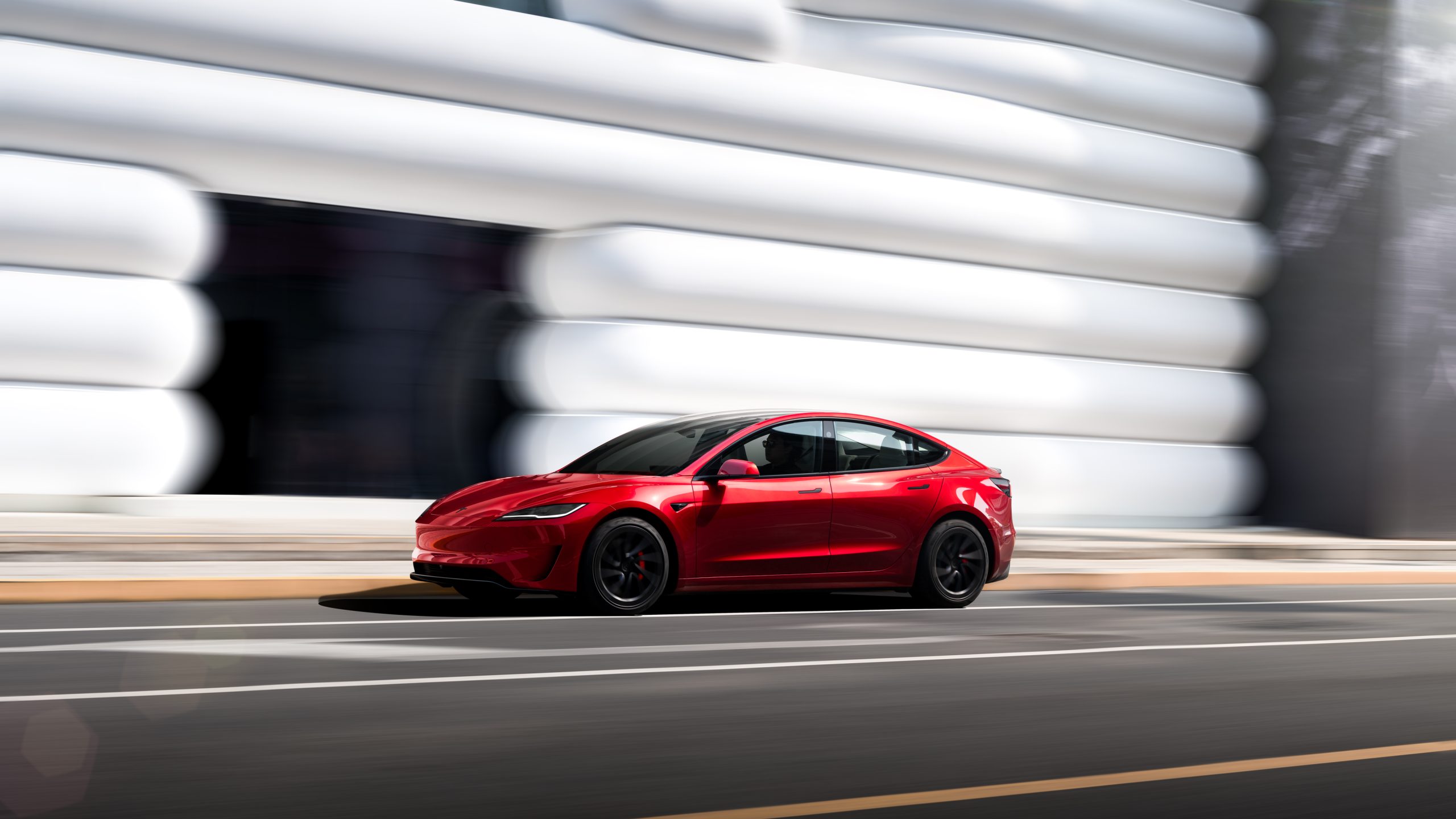
2026 Tesla Model 3 Earns Perfect Five-Star NHTSA Safety Rating
The U.S. National Highway Traffic Safety Administration has awarded the 2026 Tesla Model 3 its highest possible safety rating, confirming exceptional performance across every crash scenario. The updated electric sedan achieved a flawless five-star result in every category evaluated by federal regulators, reinforcing the vehicle's position as a benchmark in modern automotive safety standards.
The comprehensive safety evaluation includes individual assessments for frontal collisions, side-impact scenarios, and rollover resistance, culminating in a five-star overall vehicle score. Official crash test data indicates that the sedan maintained robust structural integrity throughout each severe impact simulation, successfully isolating human occupants from dangerous decelerative forces across all crash profiles.
This achievement highlights the continuous refinement of the vehicle platform, building upon years of dedicated crashworthiness research and manufacturing advancements. Federal regulatory disclosures published the complete breakdown of the results recently, confirming that the newest iteration of the Model 3 maintains the elite occupant protection standards established by its earlier manufacturing variants.
A Flawless Sweep Across Every Crash Testing Metric
The federal crash testing regimen subjects vehicles to rigorous physical trials designed to simulate real-world emergency scenarios. The frontal crash evaluation replicates a head-on collision between two vehicles of similar weight travelling at speed. In this phase, the Model 3 demonstrated superior crumple zone performance, mitigating cabin intrusion and reducing peak occupant deceleration forces.
Side-impact evaluations are equally demanding, divided into two distinct testing protocols to measure structural rigidity. The first simulates a T-bone crash involving another passenger car, while the second propels the vehicle sideways into a fixed utility pole. The Model 3 earned five stars in both exercises, showcasing effective side airbag deployment and reinforced door pillars.
These rigorous assessments validate both the physical chassis structure and the advanced occupant restraint systems integrated into the cabin design. Specialized sensors inside the crash test dummies recorded minimal risk of severe injury to vital body regions, demonstrating how smart seatbelt tensioners and curtain airbags work synchronously during high-energy side and front impacts.
How EV Architecture Transforms Impact Protection
Much of the Model 3’s structural resilience stems directly from its purpose-built electric vehicle architecture. Traditional internal combustion engine vehicles must accommodate large, unyielding metallic engine blocks up front, which can act as dangerous rigid hazards that threaten to intrude into the passenger compartment during severe head-on collisions.
Without a heavy combustion engine, automotive engineers designed a broad, unobstructed front crumple zone beneath the vehicle's front trunk area. This dedicated space acts as an effective energy absorber, progressively deforming upon impact to dissipate kinetic forces long before they reach the cabin. This structural advantage allows for significantly smoother deceleration during sudden frontal crashes.
Furthermore, high-strength steel and ultra-high-strength aluminum alloys form a protective safety cage around the passenger interior. Combined with reinforced side sills, the frame efficiently distributes heavy impact forces away from human occupants. This strategic distribution of advanced materials maximizes physical protection without adding unnecessary curb weight that could otherwise impair overall driving range and vehicle efficiency.
Rollover Prevention Through Strategic Weight Distribution
Rollover resistance is another key metric where the 2026 Model 3 excels, securing a top five-star score. NHTSA calculates rollover risk through a combination of static stability factors and dynamic emergency lane-change maneuvers. The electric sedan demonstrated exceptionally high resistance to tipping during these critical stability evaluations, maintaining composure during sharp direction changes.
The primary factor behind this low rollover risk is the floor-mounted battery pack. By placing heavy lithium-ion energy cells directly beneath the passenger cabin floor, the vehicle achieves a dramatically low center of gravity. This heavy foundation acts as an anchor, keeping the car planted firmly during extreme evasive driving actions and sharp emergency maneuvers.
Industry filings confirm that an exceptionally low center of gravity significantly reduces the likelihood of single-vehicle rollover accidents, which historically carry disproportionately high fatality rates. By integrating the battery housing directly into the chassis structure, engineers enhanced dynamic driving handling while simultaneously elevating passive rollover safety to industry-leading performance levels.
Extending a Legacy of Top-Tier Safety Benchmarks
The top-tier rating for the 2026 model year continues a long-standing trend of crash test dominance for the electric sedan line. Since its initial market introduction, the Model 3 has consistently earned top marks from global safety testing organizations, routinely receiving maximum five-star scores across every evaluated safety discipline.
This latest safety milestone comes on the heels of impressive crash test recognition across the broader electric lineup. Less than two weeks prior to the NHTSA rating announcement, regulatory disclosures confirmed that the 2026 Model Y secured the Insurance Institute for Highway Safety's coveted Top Safety Pick+ award, illustrating broad structural consistency across platforms.
Achieving back-to-back top ratings across multiple vehicle lines reinforces consumer confidence as electric vehicle adoption accelerates nationwide. As car buyers increasingly prioritize passive crash protection alongside active safety technologies, these verified federal crash scores strengthen the market appeal of modern electric sedans against both legacy luxury competitors and incoming electric alternatives.
