
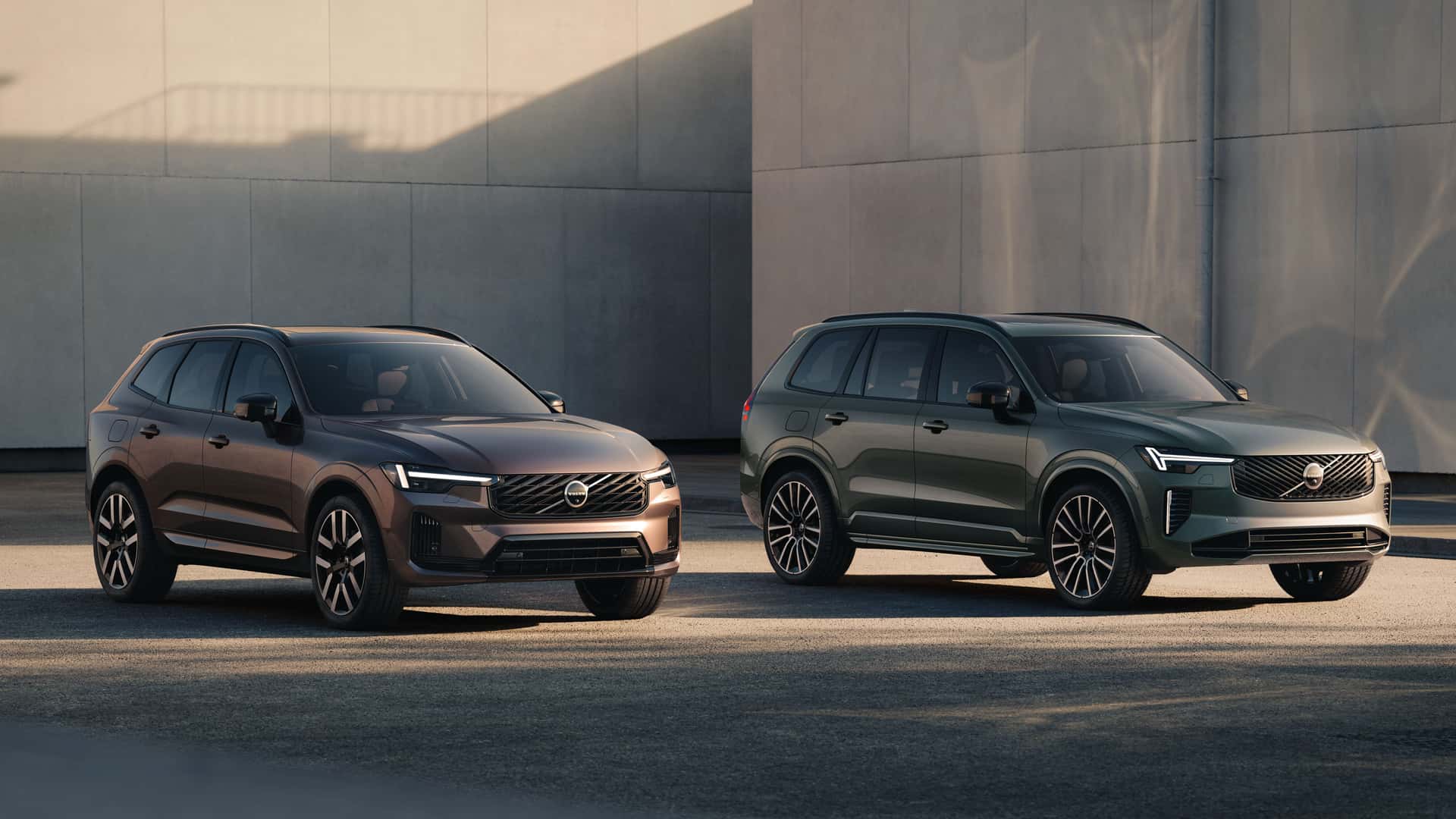
2028 Volvo XC60 and XC90 PHEVs Gain Massive Electric Range
Volvo is introducing significant battery updates for its 2028 XC60 and XC90 plug-in hybrid SUVs, offering more than double the all-electric range of the outgoing models. According to recent regulatory disclosures, the mid-size luxury SUVs will now feature floor-mounted battery packs that elevate zero-emission commuting to unprecedented levels in the North American plug-in market.
The updated XC60 leads the lineup with an estimated 78 miles of all-electric range on a single charge, rising dramatically from its current 35-mile rating. To put that in perspective, the original all-electric Nissan Leaf offered an EPA-rated range of 73 miles. The larger XC90 plug-in hybrid follows closely behind, boosting its battery-only capability from 32 miles to 73 miles.
Record Electric Range Redefines the US PHEV Market
With these updated metrics, the XC60 and XC90 claim top honors as the longest-range plug-in hybrid vehicles available in the United States. This technological step allows owners to complete daily commutes, neighborhood errands, and regional drives exclusively on battery power, effectively removing the need for frequent stops at gasoline pumps during routine weekly travel.
The dramatic increase in range highlights rapid advances in battery energy density and chassis packaging efficiency. However, it also underscores a pragmatic shift in corporate strategy. While Volvo previously targeted an all-electric lineup by 2030, slowed global EV growth prompted the automaker to recalibrate its timelines while continuing to invest heavily in plug-in hybrid powertrains alongside new battery-electric models.
Company leadership emphasized that the XC60 remains the brand's best-selling vehicle historically, while the XC90 defined its modern luxury era. By offering extended-range plug-in hybrid variants alongside next-generation pure electric models like the upcoming EX60, the company aims to provide a tailored electrification path for buyers across different regions and charging infrastructures.
Aligning Hybrid Strategy with Daily Driving Habits
Analyst reports highlight that American drivers average a median round-trip commute of approximately 22 miles, with most motorists traveling under 30 miles daily. Under these conditions, the upgraded battery capacities allow drivers to complete multiple days of routine travel purely on battery power while dramatically reducing gasoline consumption and fuel expenditure.
Given fluctuating gasoline prices driven by geopolitical shifts, vehicle owners can lean primarily on cost-effective residential electricity for daily operation. Minimizing combustion engine use during daily driving also offers potential long-term advantages, including reduced wear on mechanical components, extended service intervals, and potentially lower routine maintenance costs over the ownership lifecycle.
For longer highway journeys, the gas-electric combination continues to deliver substantial flexibility. The XC60 yields a total combined range of 590 miles on a full tank and full charge, whereas the larger XC90 provides up to 560 miles of driving range, eliminating range anxiety during cross-country road trips.
Advanced Battery Tech and Powertrain Specs
Beneath the floorboards, both SUVs now house a usable battery capacity of 37.9 kilowatt-hours, representing a major leap from the previous 18.8 kWh pack. Despite doubling the energy storage capacity, energy density improvements have prevented significant weight penalties while maintaining the vehicles' interior passenger and cargo dimensions.
Under the hood, both models retain their turbocharged four-cylinder gasoline engines paired with rear electric motors. Combined system performance remains robust, generating 455 peak horsepower alongside standard all-wheel drive. The electric motor handles low-speed driving smoothly before the gas engine engages during hard acceleration or demanding driving scenarios.
Replenishing the larger battery pack remains remarkably convenient for residential owners. Industry filings confirm that a complete Level 2 charge takes under six hours, marking only a 14 percent increase in charge duration despite the doubled battery capacity. Utilizing a 16-amp home charging unit reduces the total charging time to just four hours.
Sleeker Design Styling and Competitive Advantage
Alongside the battery upgrade, the 2028 XC60 receives subtle visual enhancements to align with modern aesthetic standards. The front fascia features a sleeker, more squared-off grille flanked by redesigned Thor’s Hammer LED daytime running lights. Revised headlight housings, a reworked rear tailgate, and refreshed taillights complete the updated exterior styling.
The XC90 similarly maintains its distinguished luxury profile while benefiting from subtle exterior refinements and enhanced aerodynamic detailing. These subtle tweaks work in harmony with the revised floor-mounted pack, optimizing airflow beneath the chassis to maximize total battery efficiency during high-speed cruising.
The performance of Volvo's updated hybrid duo creates a substantial gap over current market rivals. Competing plug-in hybrids, such as the Mercedes-Benz GLC 350e, offer up to 54 miles of electric range from a 24.8 kWh battery, while the Toyota RAV4 PHEV delivers 54 miles utilizing a 22.7 kWh pack.
By far exceeding the 70-mile zero-emission threshold, Volvo sets a fresh benchmark for premium plug-in hybrid utility vehicles across North America. These substantial battery updates provide luxury SUV buyers with a practical bridge toward electrification, offering authentic daily electric driving without complete reliance on public fast-charging networks for longer highway journeys.
