
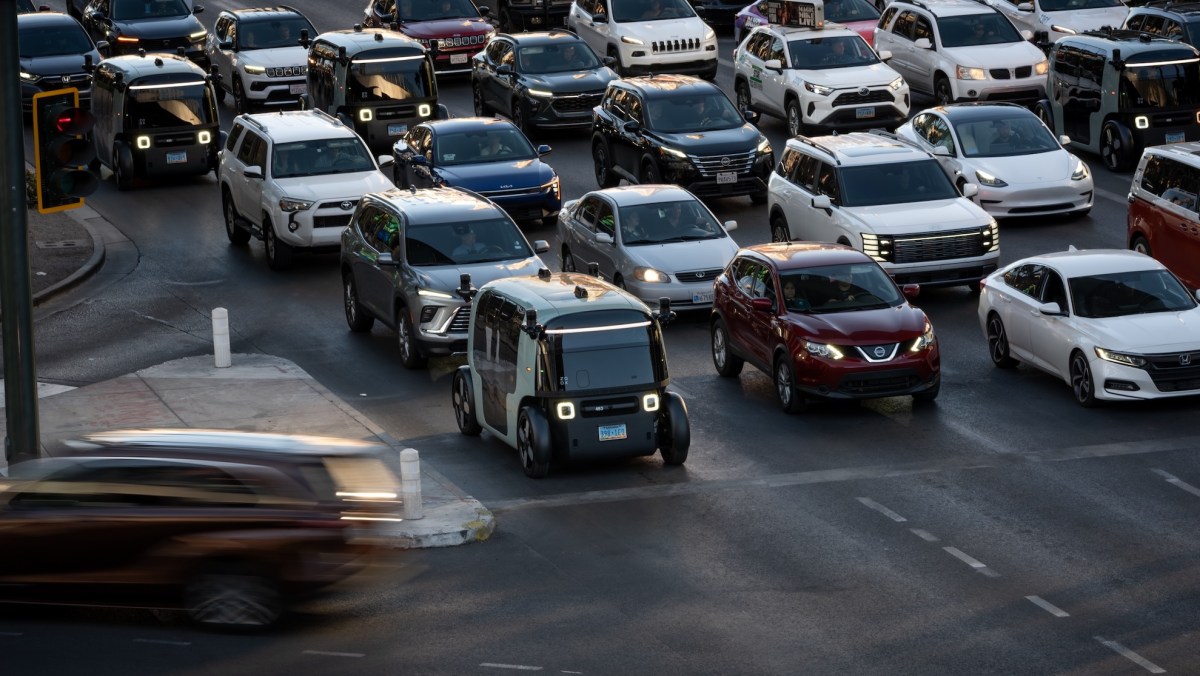
Zoox Set To Expand Nevada Robotaxi Fleet As Cap Expires
Regulatory Constraints Lifting in Nevada
The commercial autonomous vehicle landscape in Nevada is approaching a major turning point as operational caps on fleet sizes begin to expire. Amazon-backed autonomous technology developer Zoox is preparing for a significant expansion of its presence in Las Vegas, following the scheduled conclusion of a key state operating restriction later this month.
State regulatory disclosures confirm that the Nevada Transportation Authority permit limiting Zoox to a maximum of 100 active robotaxis is set to expire on September 25. The lifting of this operational boundary grants the company much-needed regulatory flexibility to scale its vehicle deployments in the region during a crucial competitive window.
While the removal of the cap will not immediately inundate Las Vegas roadways with hundreds of new vehicles, it eliminates a major administrative ceiling. Regulatory communications indicate that Zoox plans to steadily increase its active robotaxi fleet over the next several months to keep pace with growing passenger demand in primary service zones.
Custom Vehicles Built Without Traditional Controls
Unlike competing autonomous vehicle developers that retrofit traditional production automobiles with sensor arrays, Zoox deploys purpose-built autonomous shuttles. These bidirectional, cube-shaped vehicles feature four-wheel steering capabilities and entirely omit conventional driving equipment, including steering wheels, acceleration pedals, and driver seating, creating a distinct passenger experience from the ground up.
Deploying vehicles constructed without standard driver controls required navigating complex federal automotive safety frameworks. Zoox successfully secured a temporary exemption from the National Highway Traffic Safety Administration regarding specific federal motor vehicle safety standards, permitting the commercial operation of up to 2,500 custom driverless vehicles per year over a two-year period.
This federal exemption represented a critical regulatory breakthrough, enabling Zoox to transition from experimental vehicle testing to active commercial revenue generation. The company officially began charging fare-paying passengers for autonomous rides in Las Vegas last month, establishing an essential operational baseline for its long-term custom vehicle deployment strategy.
Commercial Monetization Strategy Takes Shape
Currently, Las Vegas remains the only metropolitan market where Zoox actively collects fare revenue from public passengers. While testing and mapping operations continue across several key United States cities, the Nevada market serves as the company's primary proving ground for evaluating real-world commercial rider adoption and operational fleet management.
Across its national operations, Zoox maintains approximately 100 custom-built robotaxis distributed across four major urban markets, including San Francisco, Austin, and Miami. However, the vast majority of its operational fleet remains concentrated within key testing grounds in Las Vegas and the broader San Francisco Bay Area.
To replicate its Nevada monetization model within California, Zoox must still secure additional commercial passenger permits from state transportation regulators. Until California authorities issue final ride-hailing authorization, operations in San Francisco remain limited to non-fare passenger transport, employee testing, and ongoing high-definition autonomous mapping routines.
Intensifying Competition Across the Las Vegas Strip
The expiration of Zoox's fleet restriction arrives amid an accelerating competitive race among autonomous transportation operators in Nevada. Regulatory filings reveal that the Nevada Transportation Authority recently approved three commercial permits allowing Tesla, Uber, and Waymo to operate driverless ride-hailing services across Clark County over the coming year.
Industry analysts note that these newly approved state permits could collectively introduce up to 7,000 autonomous vehicles to the Las Vegas area over the next 12 months. This impending surge of driverless capacity emphasizes the urgent need for operators to establish market presence and refine passenger logistics.
Waymo has moved rapidly following its permit acquisition, launching commercial robotaxi services for local customers earlier this month. The company initiated operations using dozens of autonomous minivans across a 23-square-mile service area that includes the lucrative Las Vegas Strip corridor south of Highway 589 toward Boulder Junction.
Analyst tracking data estimates that Zoox currently maintains more than 30 active custom robotaxis operating on Las Vegas streets today. As competing autonomous platforms expand their geographical footprints, scaling fleet size will be essential for Zoox to maintain minimal wait times and secure valuable market share.
Scaling Autonomous Manufacturing and Infrastructure
Scaling commercial operations will require Zoox to carefully balance vehicle manufacturing speeds with stringent fleet safety monitoring. Because the company builds its custom vehicles from scratch rather than modifying existing car platforms, scaling production lines requires continuous coordination with federal regulators to maintain ongoing safety compliance.
As urban mobility rapidly shifts toward fully driverless platforms, Nevada is cementing its position as one of the most competitive proving grounds for autonomous commercial transit. With its fleet cap expiring, Zoox now possesses the regulatory runway necessary to convert its unique hardware vision into a large-scale commercial service.
