
How Rising Motor Oil Prices Give EV Adoption a Huge Boost
The Surging Cost of Internal Combustion Ownership
Global geopolitical turmoil and persistent maritime supply disruptions have once again triggered severe volatility across the petroleum sector. While skyrocketing prices at the pump traditionally dominate headlines, another crucial automotive fluid is quietly experiencing unprecedented cost inflation. Motor oil, essential for keeping internal combustion engines running smoothly, has quickly become the latest pain point for millions of legacy vehicle owners across the nation.
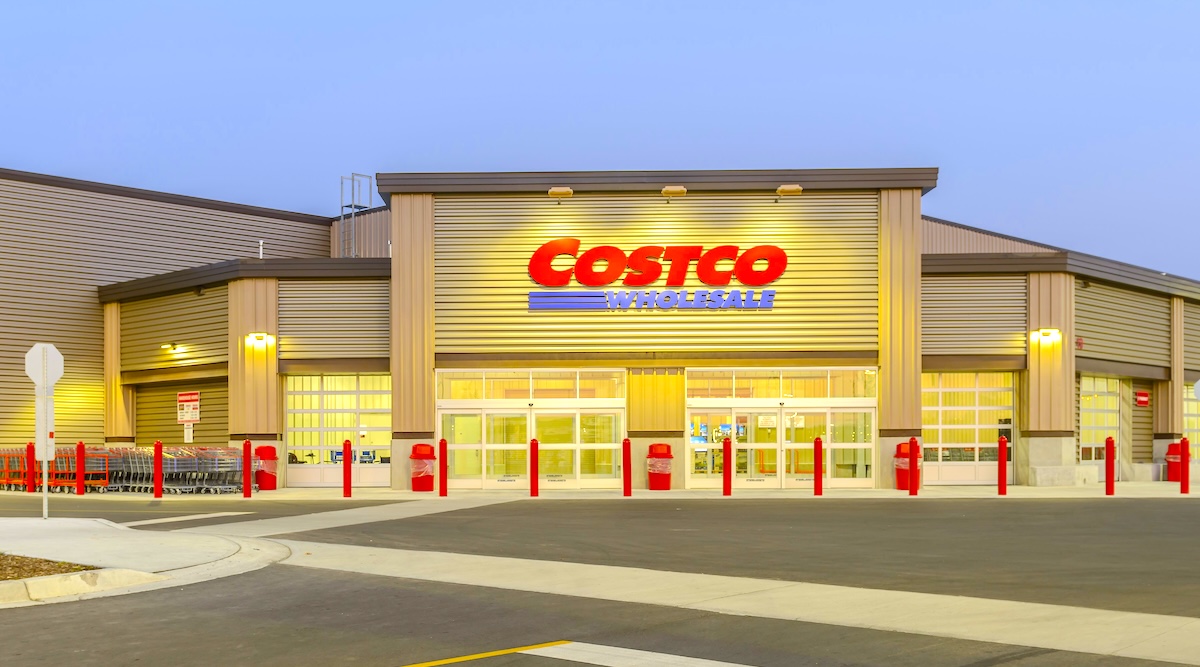
The severity of the supply shortage became strikingly obvious when major wholesale retailers began rationing motor oil sales. Industry disclosures reveal that popular warehouse operator Costco recently raised the price of its standard Kirkland Signature full-synthetic motor oil pack from the mid-thirty-dollar range to fifty-eight dollars. The drastic price hike reflects broader upstream pressures impacting synthetic lubricant supply chains nationwide.
In an unprecedented move for bulk retail, stores have implemented strict buying limits on motor oil products. Customers are currently restricted to purchasing just one unit per transaction, with a maximum cap of two transactions per week. Analysts note that when a high-volume retailer known for margin compression takes such aggressive control measures, it signals profound structural distress within manufacturing supply networks.
Dissecting the Base Oil Supply Crunch
To understand why motor oil prices are surging, market intelligence reports point directly to the global trade of base oil, the primary raw feedstock transformed into finished lubricants. Although the United States produces ample supplies of refined gasoline and diesel fuel, the domestic market remains heavily reliant on imported base oil feedstocks, particularly the specialized synthetic grades required by modern internal combustion engines.
Commodity analysts highlight that the cost of imported base oil has more than tripled to historical record levels in recent months. Refining dynamics further compound the bottleneck. When international crude prices swing wildly, petroleum refiners prioritize converting crude barrels into high-demand transportation fuels rather than lubricant stock. This operational pivot drastically restricts the supply of base oil available to commercial blenders.
The underlying cost pressure on motor oil predates recent international military conflicts and trade disruptions. Engineering advancements over the past decade have produced highly sophisticated, tightly toleranced engines that demand advanced synthetic oil formulations. These complex chemical mixtures carry significantly higher baseline production costs than traditional conventional oils, leaving consumers inherently exposed to compounding price increases whenever supply chains tighten.
Electric Vehicle Drivers Escape Maintenance Inflation
While driver anxiety mounts over rising routine maintenance costs, owners of pure battery-electric vehicles are watching the situation unfold from the sidelines. Because fully electric powertrains rely on magnetic induction motors rather than thousands of moving metallic components undergoing high-heat combustion, they eliminate the need for motor oil altogether. EV drivers enjoy complete immunity from lubricant shortages and price gouging.
The distinction between fully electric vehicles and hybrid architectures is becoming increasingly vital for prospective car buyers evaluating long-term expenses. Plug-in hybrid electric vehicles and extended-range electric vehicles still house internal combustion engines, meaning they remain subject to regular oil changes and rising fluid costs. Only zero-emission battery-electric models completely sever the connection to petroleum-based maintenance products.
Routine maintenance for gas-powered automobiles was long viewed as a minor, predictable ownership expense. However, rising motor oil prices are altering total cost of ownership calculations. Between elevated oil change fees, expensive fuel, and inflation across replacement parts, maintaining an internal combustion engine is becoming a substantial financial burden. This shift is reshaping how consumers evaluate vehicle lifetime value.
Shifting Consumer Sentiment Toward Electrification
Automotive market researchers note that cumulative financial friction often drives major shifts in consumer buying behavior. While high fuel prices frequently spark initial curiosity about electric transportation, unexpected spikes in basic maintenance costs act as a tipping point. Prospective buyers who were previously on the fence are increasingly citing lower lifetime operational expenses as their primary motivation for choosing an electric vehicle.
Fleet managers and commercial operators are also paying close attention to lubricant supply constraints. For businesses managing hundreds of delivery vans or service vehicles, a sixty percent increase in oil expenses significantly impacts operating margins. Consequently, enterprise fleet operators are accelerating their transition toward electric commercial vans to stabilize long-term maintenance budgets and remove exposure to fossil fuel market shocks.
Industry trade data indicates that the total cost of ownership advantage for electric vehicles continues to widen. Beyond bypassing public charging cost spikes through residential overnight charging, EV owners save thousands of dollars over a vehicle's lifespan by eliminating oil filters, spark plugs, fluid flush services, and complex exhaust treatment maintenance inherent to combustion engines.
As wholesale retailers struggle to keep motor oil shelves stocked, the automotive landscape faces an undeniable turning point. Supply chain vulnerabilities and raw material scarcity are demonstrating that internal combustion vehicles carry hidden financial risks beyond fuel prices. For many consumers looking to future-proof their personal transportation, transitioning to a battery-electric vehicle represents the ultimate safeguard.
