
China Battery EV Sales Rise as Tesla and Combustion Cars Drop
The Chinese automotive landscape experienced a dramatic divergence in August as pure battery electric vehicles posted positive growth while every segment featuring an internal combustion engine faced a steep decline. Industry filings reveal a striking shift in consumer demand across the world’s largest car market. Despite broader economic headwinds, pure electric models demonstrated remarkable resilience, solidifying their dominant role in shaping the future of global transportation networks.
Overall retail car sales across China dropped by 23.6% year over year in August, continuing a downward trajectory observed throughout the current calendar year. However, new energy vehicles, which encompass both plug-in hybrids and pure battery electric cars, captured a record 65.2% of total retail market share. This marks a substantial increase from the 55.2% market share recorded during the exact same period last year, driven by falling legacy sales.
The current performance marks a swift recovery from the sluggish sales recorded during the opening months of the year. Following regulatory disclosures late last year regarding adjusted government purchase incentives, initial sales dipped, prompting premature predictions of a broader slowdown in electric vehicle adoption. Yet consumer interest rebounded rapidly as macro trends evolved, underscoring the underlying strength of pure electric vehicle demand across key urban centers.
Engine-Powered Models Suffer Broad Market Contraction
A granular analysis of August delivery data demonstrates that vehicles equipped with traditional engines, including standard hybrids, suffered the brunt of the consumer pullback. While overall new energy vehicle sales contracted by 10.1% due to softer demand for plug-in hybrids, pure battery electric vehicles managed to remain in positive territory. The contrast highlights a fundamental pivot away from gas-powered powertrains toward fully electric architectures.
Surging global oil prices and volatile fuel markets have heavily influenced domestic buying habits in recent months. Chinese consumers are increasingly favoring fully electric vehicles to eliminate fuel expenses entirely, leaving legacy internal combustion engines at a distinct disadvantage. Automotive analysts note that traditional automakers are struggling to maintain showroom traffic as interest in legacy engine technology rapidly deteriorates across primary metropolitan areas.
This systemic decline across engine-powered vehicles has accelerated structural realignments within domestic auto manufacturing. Legacy automakers accustomed to relying on gas-powered volume are encountering shrinking margins and inventory backlogs. Consequently, domestic production strategies are rapidly shifting away from internal combustion setups toward dedicated electric vehicle assembly lines to capture remaining consumer demand and maintain factory utilization rates.
Tesla Struggles Domestically as Domestic Giants Expand
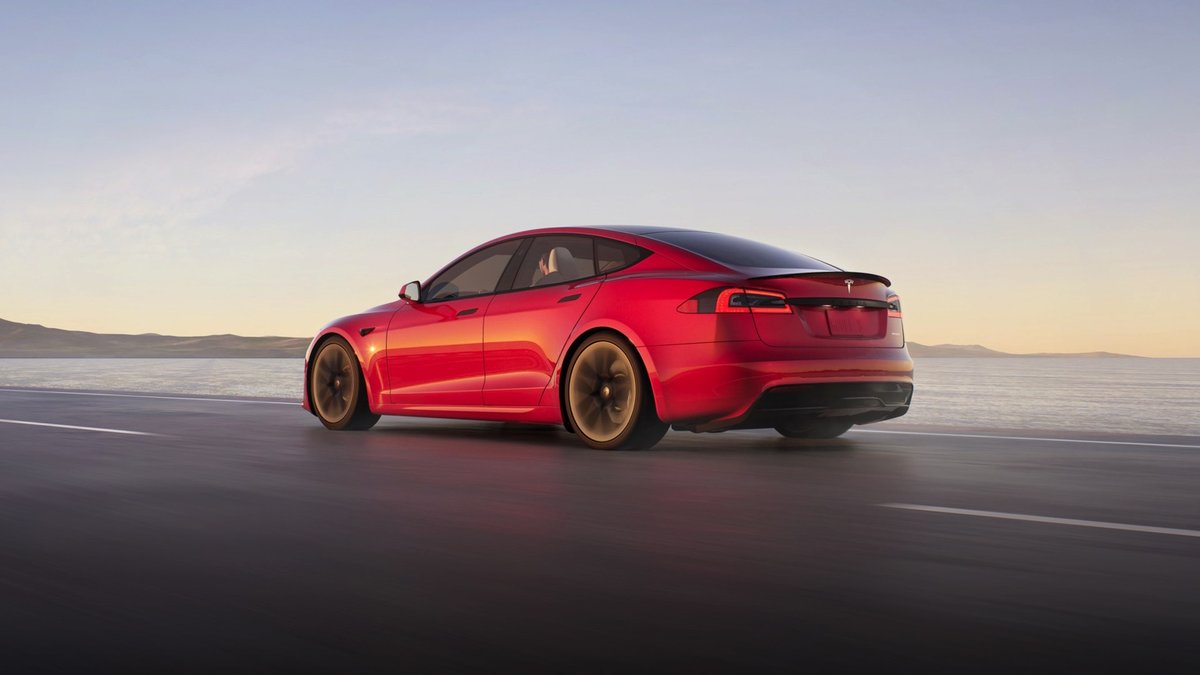
Despite the general strength of pure electric vehicles, Tesla encountered notable headwinds in China during August. Market registration data shows Tesla’s domestic retail sales fell 12.4% year over year, marking its third consecutive month of annual declines. Delivering roughly 50,000 units, the performance represents the manufacturer's weakest August output in China since 2022, signaling plateauing demand for its core vehicle lineup.
Tesla’s slip in retail volume dropped the automaker to sixth place in China’s competitive new energy vehicle rankings. Domestic manufacturing giant BYD maintained a commanding lead at the top, delivering over 233,000 vehicles to retail customers—more than double its closest competitor. Geely secured the second position with approximately 110,000 deliveries, illustrating the growing dominance of domestic Chinese brands over foreign automakers.
Industry analysts attribute Tesla's domestic stagnation to a rapidly crowding marketplace filled with feature-rich, lower-cost alternatives from local manufacturers. Furthermore, public perception and broader strategic shifts surrounding the brand have created additional frictional pressure. As local brands roll out frequent model updates and localized software features, foreign brands face an increasingly tough battle to defend established market positions.
Export Surge Drives Global Presence for Chinese Electric Vehicles
With domestic manufacturing capacity outpacing local retail absorption, Chinese automakers are aggressively expanding their footprint in international markets. Regulatory disclosures show that exports of new energy vehicles soared by 154.7% year over year in August. Electric models accounted for 58.4% of all automobiles shipped overseas from Chinese ports during the month, underlining China’s emerging status as the world’s leading vehicle exporter.
Foreign markets are absorbing this influx of Chinese electric vehicles as global demand for affordable zero-emission transportation continues to outstrip local supply. Analysts observe that legacy international automakers have been slow to introduce competitively priced electric models in emerging markets. This strategic hesitation has opened a massive window of opportunity for Chinese vehicle exporters to secure early market share overseas.
Tesla also leveraged its manufacturing hub in Shanghai to boost international shipments, reporting a 38.7% year-over-year increase in vehicle exports during August. While this export growth provided welcome relief from sluggish domestic deliveries, Tesla’s export growth rate lagged far behind the broader Chinese new energy vehicle industry average, reflecting intense international competition from rising domestic rivals.
Future Outlook for China Automobile Manufacturing
The August market data underscores an irreversible transition within the world's largest automotive sector. As internal combustion engines face sustained double-digit contraction, domestic automakers that prioritized battery electric development are positioned to dominate both home and export markets. Legacy manufacturers reliant on traditional engine technology face an urgent mandate to recalibrate their global manufacturing footprints.
China’s strategic emphasis on battery electric technology continues to yield significant competitive advantages on the global stage. By scaling battery supply chains and expanding export logistics, Chinese automotive brands are effectively setting the pace for the global transition toward sustainable mobility. Unless international rivals respond with aggressive electrification strategies, China's market leadership will likely solidify further in coming years.
