
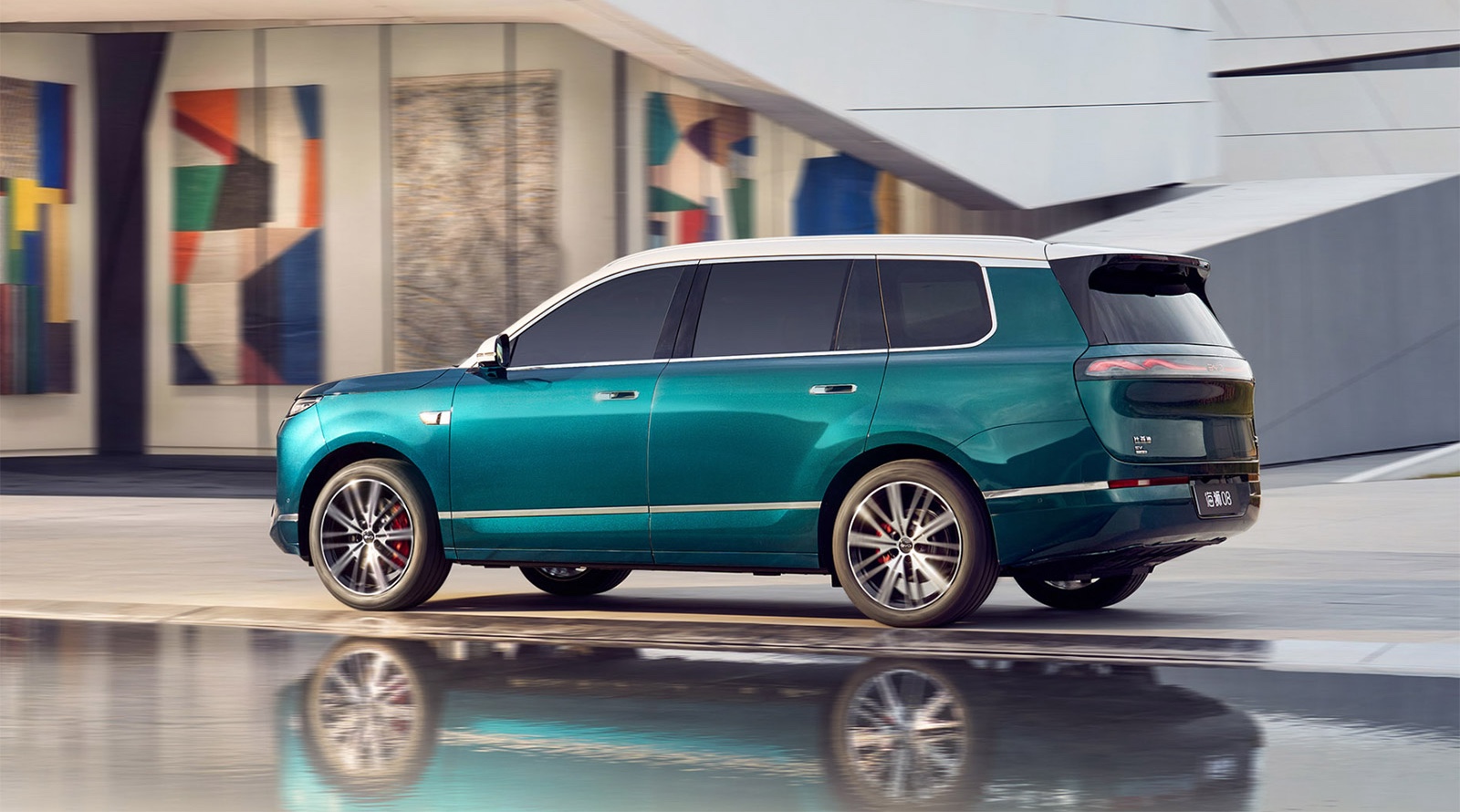
BYD Plans Four European Factories to Bypass EV Tariffs
Chinese automotive titan BYD is significantly accelerating its global market penetration, outlining an ambitious blueprint to establish four manufacturing facilities across Europe. The strategy includes three dedicated vehicle assembly plants alongside a major battery manufacturing hub. This aggressive expansion underlines the automaker's determination to secure a dominant foothold in international markets while navigating increasingly complex trade restrictions and domestic market shifts.
The decision to build localized production capacity stems directly from the evolving macroeconomic environment in China. As domestic electric vehicle adoption reaches unprecedented maturity and internal price competition intensifies, automotive manufacturers are seeking fresh revenue streams overseas. Securing early market share in foreign regions has become vital for long-term survival before those markets solidify around competing legacy brands.
Accelerating Global Footprint Amid Domestic Shifts
While BYD has already made rapid inroads into emerging automotive markets across Asia, South America, and Africa, Europe represents a far more critical battleground. The European continent remains one of the largest passenger vehicle sales arenas globally. Although competitive pressure is high, electric vehicles still account for less than half of total vehicle sales in most European nations, offering substantial room for expansion.
Industry analysts note that entering established markets requires a vastly different playbook than launching in developing regions. In lower-density EV markets, BYD has successfully captured market share by offering budget-friendly models with advanced battery chemistry. In Europe, however, consumer expectations around build quality, software integration, and brand trust present higher hurdles that demand a sustained, localized presence.
Navigating European Tariffs Through Localized Assembly
The driving force behind BYD's localized manufacturing plan is the recent shift in European trade policy. European Union regulatory bodies recently imposed steep tariffs on electric vehicles imported directly from China. These trade barriers threaten to erode BYD's cost advantage, making pure export strategies financially unfeasible over the coming decade. Establishing local factories effectively neutralizes these tariffs.
By manufacturing vehicles directly within the European Union, BYD can bypass import duties entirely while leveraging local supply chains. Regulatory disclosures confirm that European manufacturing also allows the company to shield itself against prospective trade disputes and currency fluctuations. Localized production further grants access to regional government incentives and subsidies designated for clean mobility infrastructure.
Hungary Production and the Search for Refurbishment Sites
The centerpiece of BYD’s immediate European expansion is its facility in Hungary, where production activities are currently initiating. Hungary was chosen due to its favorable investment climate, central European logistics network, and existing automotive supplier ecosystem. This facility marks the first operational assembly plant operated by a major Chinese electric vehicle brand within the European Union territory.
Looking beyond Hungary, corporate announcements indicate that BYD aims to select its second manufacturing location before the end of the year. Rather than constructing a brand-new facility from the ground up, executive statements reveal a plan to acquire and refurbish an existing automotive plant. Taking over legacy manufacturing assets significantly reduces initial capital outlay and dramatically accelerates time-to-market.
Industry sources suggest that Spain and France are currently leading contenders for this second assembly plant. Both nations possess rich automotive manufacturing traditions, skilled workforces, and deep supply chains that could easily be repurposed for electric vehicle manufacturing. Securing a second site in Western Europe would provide BYD with additional capacity to serve high-volume markets nearby.
Building a Battery Ecosystem Alongside Vehicle Plants
Equally critical to BYD's European roadmap is the planned construction of a dedicated battery production factory. Unlike traditional automakers that rely heavily on third-party battery suppliers, BYD operates as a vertically integrated entity. Localizing battery manufacturing ensures a steady supply of energy storage packs for its vehicle assembly plants without incurring expensive shipping costs or supply chain delays.
The inclusion of a specialized battery facility strengthens BYD's competitive edge in proprietary tech, notably its Blade Battery architecture. Operating a localized battery supply network enables rapid custom engineering for European vehicle variants while fulfilling regional content requirements set by local regulators. It also positions the company as a potential component supplier to other European automakers over time.
Strategic Risks and Market Saturation Challenges
Despite the clear advantages of local manufacturing, BYD’s quadruple-factory strategy carries substantial operational risks. Constructing and staffing four separate industrial sites simultaneously demands immense capital expenditure and managerial oversight. If European EV demand growth slows due to macroeconomic headwinds or shifting subsidy structures, BYD could face severe overcapacity issues across its European footprint.
Furthermore, legacy European automakers are actively defending their home turf by rolling out affordable electric models of their own. Establishing brand loyalty among European buyers remains a gradual process, and BYD must invest heavily in dealership networks, marketing, and customer service infrastructure to complement its industrial investments. Factory expansion alone does not guarantee consumer adoption.
Ultimately, BYD’s aggressive European manufacturing push marks a decisive chapter in the global automotive industry's electrification transition. By establishing three assembly plants and a battery facility, the automaker is laying the groundwork for long-term global dominance. Whether this ambitious structural expansion matches market demand will determine BYD’s legacy as a true global automotive leader.
