
Tesla Recalls Millions of Vehicles in China Over Door Safety
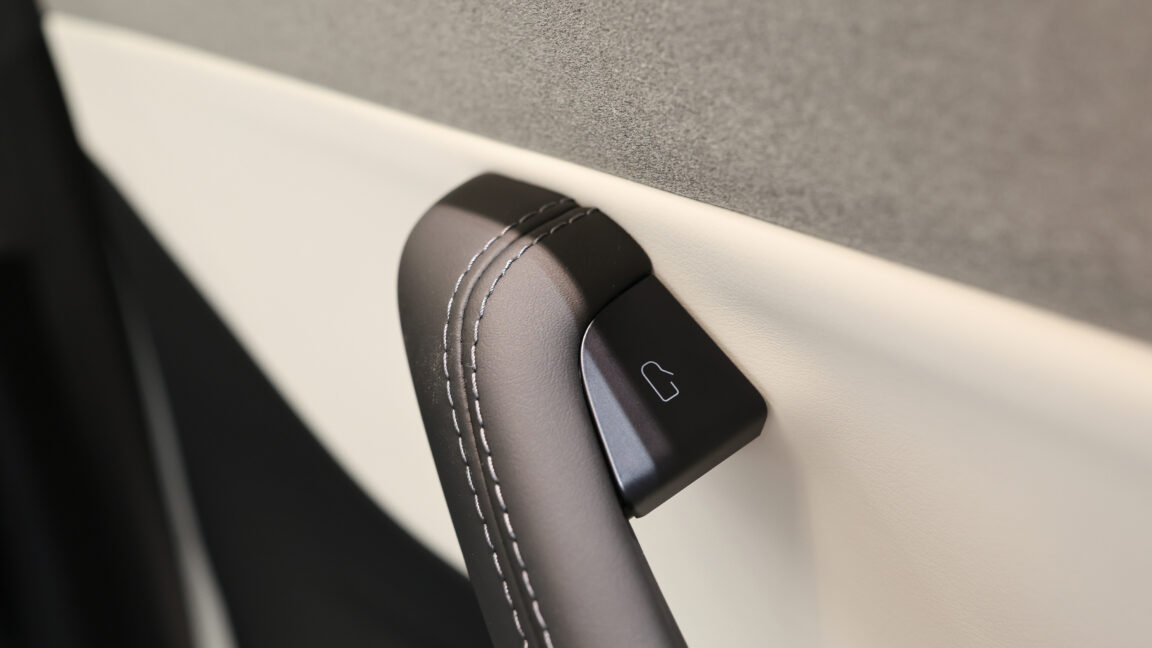
Chinese regulatory authorities have issued a sweeping safety campaign targeting Tesla, instructing the American electric vehicle manufacturer to address physical and digital features across nearly three million automobiles. According to recent regulatory filings, the government action focuses primarily on emergency occupant extraction risks associated with electronically controlled doors. The massive mandate covers Model 3 sedans and Model Y crossovers operating within the world's largest automotive market.
The regulatory directives highlight a growing international scrutiny regarding minimalist interior cabin designs in modern electric cars. As automakers increasingly swap traditional mechanical latches for flush electronic switches, concerns have escalated over passenger survivability during sudden electrical failures. Chinese market overseers are demanding immediate modifications to prevent occupants from becoming trapped inside disabled vehicles during severe accidents or fires.
Official regulatory disclosures confirm that the primary recall action encompasses roughly 2.98 million vehicles across China. Officials noted that while existing vehicles remain legally compliant with previous manufacturing baselines, urgent field modifications are required. The government’s proactive stance underscores a broader structural shift toward enforcing strict mechanical redundant mechanisms in consumer transportation.
Hardware Labels and Software Patches to Protect Drivers
To address immediate safety concerns regarding door actuation during power outages, Tesla must apply physical warning labels inside 2.98 million Model 3 and Model Y cars. These instructional markers will clearly outline how occupants can locate and operate manual door release mechanisms located near the rear seating areas during emergency power disruptions.
Unlike routine over-the-air digital patches, applying physical interior labels requires service center visits or mobile technician service. Automotive industry analysts note that servicing millions of localized vehicles physically represents a significant logistical undertaking for the manufacturer. The labels are intended to eliminate dangerous confusion when primary high-voltage and low-voltage electrical systems shut down after a violent impact.
Complementing the physical cabin modifications, Tesla is deploying a mandatory wireless software update to affected vehicles. This digital patch automatically commands all power windows to roll down immediately upon detecting a crash event. By opening the windows during a collision, emergency responders gain direct physical access while enabling trapped passengers an unhindered secondary egress path.
Overhauling Driver Monitoring Systems Across China
Alongside the emergency door campaign, Chinese regulatory bodies announced a secondary recall affecting 2.74 million Tesla vehicles. Industry filings reveal that this action targets the manufacturer's driver monitoring system, which previously relied heavily on steering wheel torque sensors. Authorities concluded that basic resistance sensors fail to adequately verify active driver engagement during partially automated driving operations.
The newly required software patch alters how the vehicle assesses driver attentiveness while automated assistance features are engaged. Instead of relying solely on steering wheel movement, the updated system leverages the interior cabin camera to continuously monitor driver gaze and facial orientation. Vehicles will issue escalating warnings if the camera detects prolonged eye diversion from the roadway ahead.
The transition to camera-based gaze tracking comes amid persistent reports detailing driver attempts to bypass safety safeguards. Previous consumer testing and driver demonstrations revealed that steering wheel weights or placing objects like a doll head before the cabin camera could trick older software versions. The updated algorithms aim to eliminate these bypass techniques through enhanced computer vision.
Mounting Pressure on Electronic Door Designs
The dual actions by Chinese regulators reflect a comprehensive effort to regulate sleek, electronically actuated door handles. Crash reports involving post-collision fires have intensified public concern when rescue crews or escaping passengers struggle with flush exterior door handles. Regulatory agencies are moving decisively to mandate clear mechanical standards to ensure crash survivability across all EV brands.
Regulatory frameworks slated to take effect next year will dictate specific dimensional and operational requirements for interior and exterior door handles on newly approved vehicles. While newly certified car models must integrate these strict physical dimensions immediately, existing vehicle platforms on sale today received a temporary grandfather clause allowing production through the end of 2028.
Despite the extended transition period for future manufacturing, regulators determined that current road users face unacceptable safety risks without immediate remedies. Forcing Tesla to retrofit millions of existing cars with clear interior markings demonstrates that regulatory patience regarding emergency door releases has expired. Other original equipment manufacturers are expected to face similar scrutiny.
Balancing Innovation and Passenger Safety Standards
Tesla's experience in China serves as a critical test case for the broader electric vehicle market as regulatory bodies worldwide rewrite safety codes. Automakers have long championed clean interior aesthetics and flush aerodynamic exterior handles to maximize driving range. However, regulatory authorities are increasingly prioritizing physical fail-safes and intuitive mechanical designs over minimalist interior styling.
Moving forward, the electric vehicle industry must strike a delicate equilibrium between software-driven innovation and time-tested mechanical reliability. Tesla's multi-million vehicle campaign demonstrates that even as software updates fix many driver assistance flaws, physical safety elements like door latches remain fundamentally bound to real-world mechanical realities during severe emergency events.
