Congress Faces Fierce Backlash Over Maritime Clean Air Rollbacks
Capitol Hill is turning into an environmental battleground this week as the House of Representatives prepares to vote on Congressional Review Act resolutions. These measures seek to dismantle state clean air safeguards, specifically targeting rules designed to cut toxic diesel pollution from ships and harbor craft. Lawmakers pushing the rollbacks claim state rules impose friction on maritime commerce.
However, clean transport advocates and community leaders are sounding the alarm regarding the health and legal implications of the proposed federal intervention. They argue that state rules successfully spurred green propulsion adoption without harming economic output. Reversing these longstanding rules would jeopardize public health in port hubs while offering no financial relief to end consumers at retail checkout counters.
Congressional Floor Vote Targets State Maritime Emissions Rules
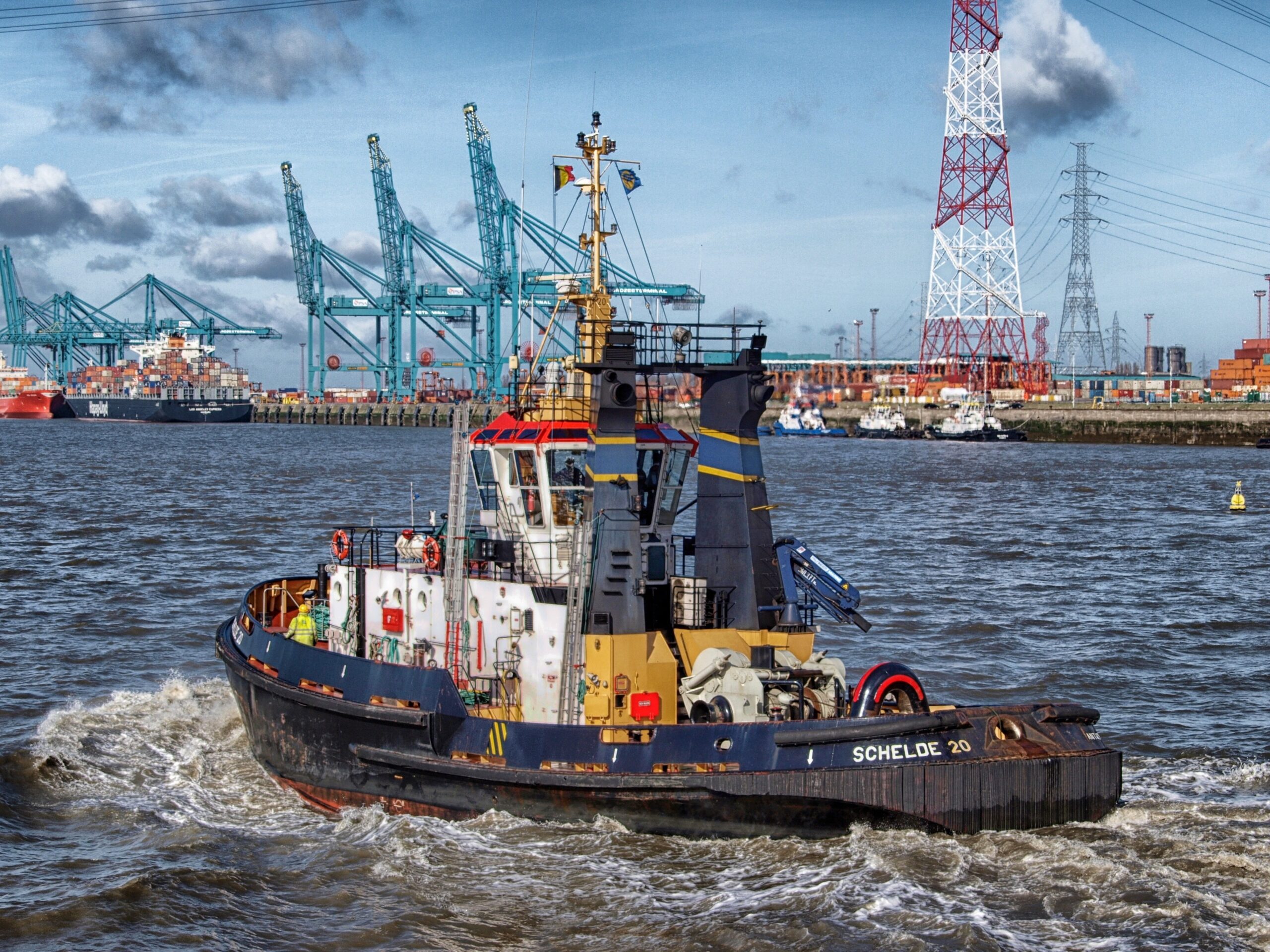
The resolutions under consideration aim to invalidate state-specific maritime rules governing commercial harbor craft and vessel ocean-going engine idling. For years, California has spearheaded standards requiring docked vessels to plug into shore power systems and upgrade tugboat diesel engines. Congressional opponents argue that allowing individual states to enforce stringent maritime standards creates a fragmented regulatory landscape for shipping conglomerates.
Industry filings indicate commercial vessels operating in nearshore corridors remain among the largest contributors to localized diesel particulate matter and nitrogen oxides. The proposed resolutions would strip states of authority to mandate cleaner vessel technology. This legislative maneuver relies on an expedited process designed to overturn recent executive branch decisions, raising intense debate regarding federal preemption over state environmental stewardship.
Supporters of the rollbacks contend that forcing fleet operators to retrofit older vessels or invest in zero-emission shore power infrastructure drives up freight logistics overhead. Yet regulatory disclosures show no direct link between state clean-air enforcement and heightened consumer inflation. Instead, industry analysts highlight that fuel price volatility and global port congestion remain the primary cost drivers within shipping networks.
The Legal Battle Surrounding Clean Air Act Waivers
The legislative push follows a complex judicial dispute over the Environmental Protection Agency's administration of Clean Air Act preemption waivers. Historically, federal law allows states with severe air quality challenges to institute stricter emissions standards, provided federal authorities grant a formal waiver. A federal judge recently issued a preliminary injunction against federal administrative actions that targeted these state protections.
The court ruling ordered federal regulators to restore the legal status quo before administrative reclassifications opened the door for Congressional Review Act challenges. Legal scholars note that the expedited review mechanism is intended for newly finalized administrative rules rather than established waivers. By reclassifying older waivers, regulatory bodies manufactured a procedural window for lawmakers to attempt a sweeping repeal.
Despite the federal court's preliminary injunction, house leaders are proceeding with floor votes, creating a potential collision between legislative action and judicial mandates. Environmental legal defense groups emphasize that bypassing judicial decisions to force diesel rules back onto coastal communities undermines state sovereignty. This friction highlights a deepening divide over federalism and environmental protection in transport sectors.
Environmental Policy Groups Demand Protection for Port Towns
Public health organizations and environmental policy experts have issued strong statements calling on federal lawmakers to reject the pending resolutions. Sierra Club Climate Policy Director Patrick Drupp emphasized that Congress should facilitate cleaner air initiatives rather than stripping away proven protections. He noted these state regulations have operated for years, cutting hazardous emissions near active trade gateways.
Communities situated near major shipping terminals suffer from high rates of childhood asthma, cardiovascular disease, and premature mortality linked to heavy fuel combustion. Policy statements underscore that reversing ship-to-shore power requirements and vessel emission limits will directly increase toxic exposures for port workers and adjacent neighborhoods. Environmental advocates maintain leaders should champion health over polluter interests.
The pushback reflects a broader coalition of civic groups, health professionals, and clean tech innovators arguing that federal policy must support decarbonization. Modernizing harbor craft engines and requiring berthed ships to turn off auxiliary diesel generators are seen as foundational steps toward zero-emission freight corridors. Rolling back these benchmarks sets a dangerous precedent for regional clean air programs.
Technological Transition Risks and the Path Ahead
From a technological perspective, the maritime industry is undergoing a pivotal transition toward hybrid-electric propulsion, hydrogen fuel cells, and shore-side battery energy storage systems. Regulatory certainty has historically been the primary catalyst for maritime operators to invest in these alternative powertrain technologies. A sudden reversal of state standards threatens to stall investments and slow deployment schedules.
Engine manufacturers and port equipment suppliers have invested heavily in engineering zero-emission systems tailored to meet state performance metrics. Analysts warn that invalidating state waivers mid-stream creates financial ambiguity for equipment suppliers and vessel operators who have committed to fleet modernization programs. Instead of fostering economic growth, legal and legislative uncertainty leads fleet owners to delay expenditures.
As the floor vote approaches, the national debate over maritime clean air standards highlights the fundamental tension between federal oversight and state innovation. Restricting a state's ability to protect its residents from heavy commercial diesel exhaust risks reversing decades of air quality improvements. Congress now faces a choice: preserve environmental safeguards driving clean technology, or expose port communities to toxic pollution.
