
Data Confirms Tesla Assist System Active During Fatal Crash
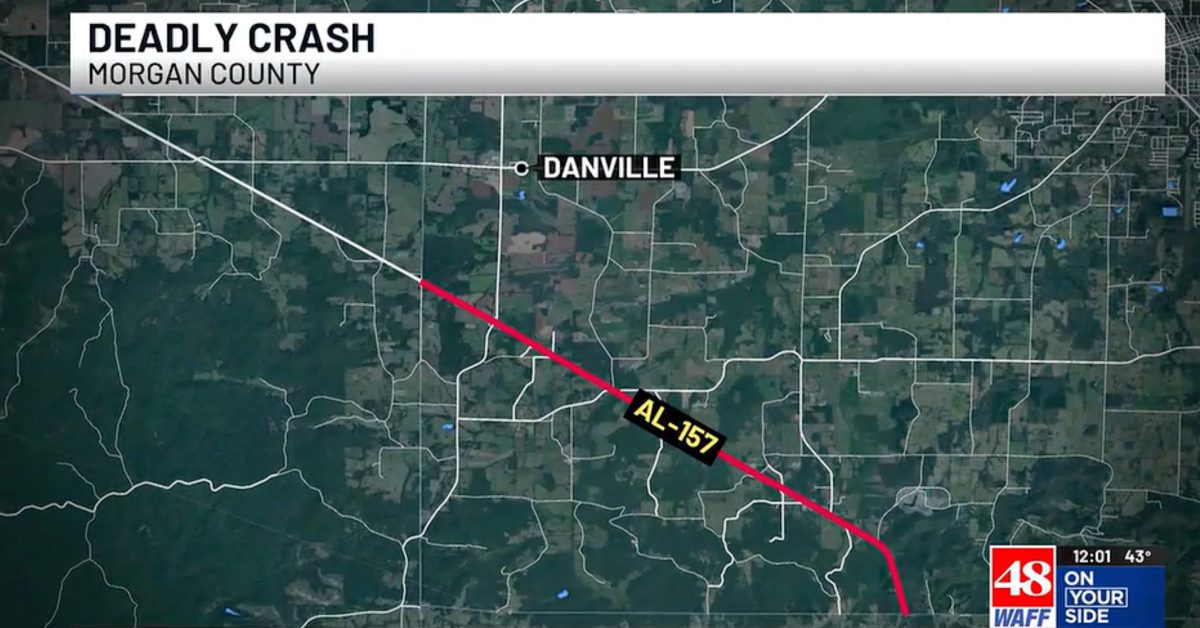
A tragic single-vehicle accident on an Alabama highway has claimed the life of a young mother, raising fresh questions about driver-assistance technology safety. On a Sunday evening near the Cullman County line, a 2021 Tesla Model Y left Alabama Highway 157, struck two trees, and immediately caught fire. The driver, 29-year-old Kayleigh Page, died at the scene, while a heroic passerby managed to pull her seven-month-old daughter from the burning wreckage.
Initial public reports from state law enforcement characterized the event as a standard roadway departure accident. State troopers working the scene made no immediate mention of advanced driver-assistance features in their preliminary documentation. To local authorities and the public, the incident appeared to be an unexplainable loss of vehicle control on a rural stretch of road north of Battleground.
Regulatory Telematics Confirm Automation Status
However, federal safety data paint a starkly different technical picture of the moments leading up to the crash. According to federal regulatory disclosures, onboard vehicle telematics confirmed that Tesla’s semi-autonomous software was actively operating seconds before impact. Automakers operating in the United States are legally required to report collisions involving automated driving features under federal safety mandates.
Under the National Highway Traffic Safety Administration’s Standing General Order, vehicle manufacturers must submit crash data whenever Level 2 driver-assist systems are active within 30 seconds of an accident. In its official filing, the vehicle manufacturer logged the automation status as "Verified Engaged," providing concrete corporate acknowledgment that its proprietary driver-assist technology was active while the vehicle traveled at 55 mph.
The mandatory report confirms that the manufacturer retrieved event-data recorder telemetry directly from the damaged electric crossover. The onboard records documented the precise speed and system status prior to impact. Yet despite confirming system activation during the fatal sequence, the official regulatory submission leaves vital context about the system's operational choices completely missing from public oversight.
Standard Redactions Mask Crucial Technical Details
Despite submitting the required crash notification, the automaker applied broad redactions to critical technical sections of the document. Important fields detailing the crash narrative, specific software build versions, and geographical operational design domains were blacked out. The company classified these essential parameters under broad claims of confidential business information, leaving regulators and safety researchers in the dark.
Furthermore, the public disclosure form left basic environmental fields, including roadway conditions and target object descriptions, marked as unknown. By blacking out these specific data points, the official regulatory submission fails to explicitly state that the vehicle departed the paved road and struck trees, effectively obscuring the physical reality of the fatal event from standard analytical tracking.
Because the specific software version was redacted, independent automotive analysts cannot definitively confirm whether basic Autopilot or Full Self-Driving software was steering the vehicle. On a two-lane rural highway at 55 mph, both software suites perform active lane-centering and speed management. The withheld data field represents the single piece of information that would clarify which software version was responsible.
Road Departure Remains a Persistent Crash Pattern
Industry filings and safety database analyses reveal that unexpected lane departures represent the most frequent crash mode associated with Level 2 driver-assist technology. In federal safety datasets tracking semi-autonomous incidents where pre-crash motion is identified, vehicle departures from established traffic lanes or paved roadways significantly outnumber rear-end collisions and intersection errors combined.
Safety researchers point out that a vehicle drifting off a marked rural highway into roadside obstacles is not an isolated anomaly within federal safety records. Instead, this specific failure mode forms a recurring operational pattern across thousands of logged system deployments. Lane drift on two-lane corridors highlights persistent software vulnerabilities when handling changing road markers or subtle highway curves.
Rural highways pose unique operational challenges for camera-based computer vision systems. Fluctuations in ambient lighting, worn pavement markings, and unexpected roadside topography often create edge-case scenarios for machine-learning algorithms. When driver-assist software encounters these conditions without sufficient fallback mechanisms, the system can abruptly misjudge lane boundaries, placing human occupants in immediate, life-threatening danger.
The Growing Gap Between Marketing and Capability
The tragedy highlights an escalating concern among safety advocates regarding consumer over-reliance on semi-autonomous driving features. Auto manufacturers frequently market driver-assist options using terms like "Full Self-Driving," promoting hyper-advanced technological capabilities. This aggressive branding often leads drivers to believe their vehicles possess full autonomy, despite strict engineering definitions designating the software as a Level 2 driver-assist tool.
Under current federal guidelines, Level 2 automation mandates that the human driver must remain fully attentive and prepared to assume manual steering control at any moment. However, executive statements and promotional campaigns regularly downplay these legal boundaries. Public comments suggesting drivers can multitask or look away while relying on system navigation exacerbate driver complacency, directly contradicting core safety protocols.
The ongoing lack of transparency in regulatory crash filings compounds these safety risks. As vehicle manufacturers encourage expanded consumer adoption of advanced driver-assist features, safety advocates argue that hiding failure data behind business confidentiality claims prevents public scrutiny. Clearer reporting standards and unfiltered safety telematics remain vital for establishing true accountability across the automated vehicle industry.
