
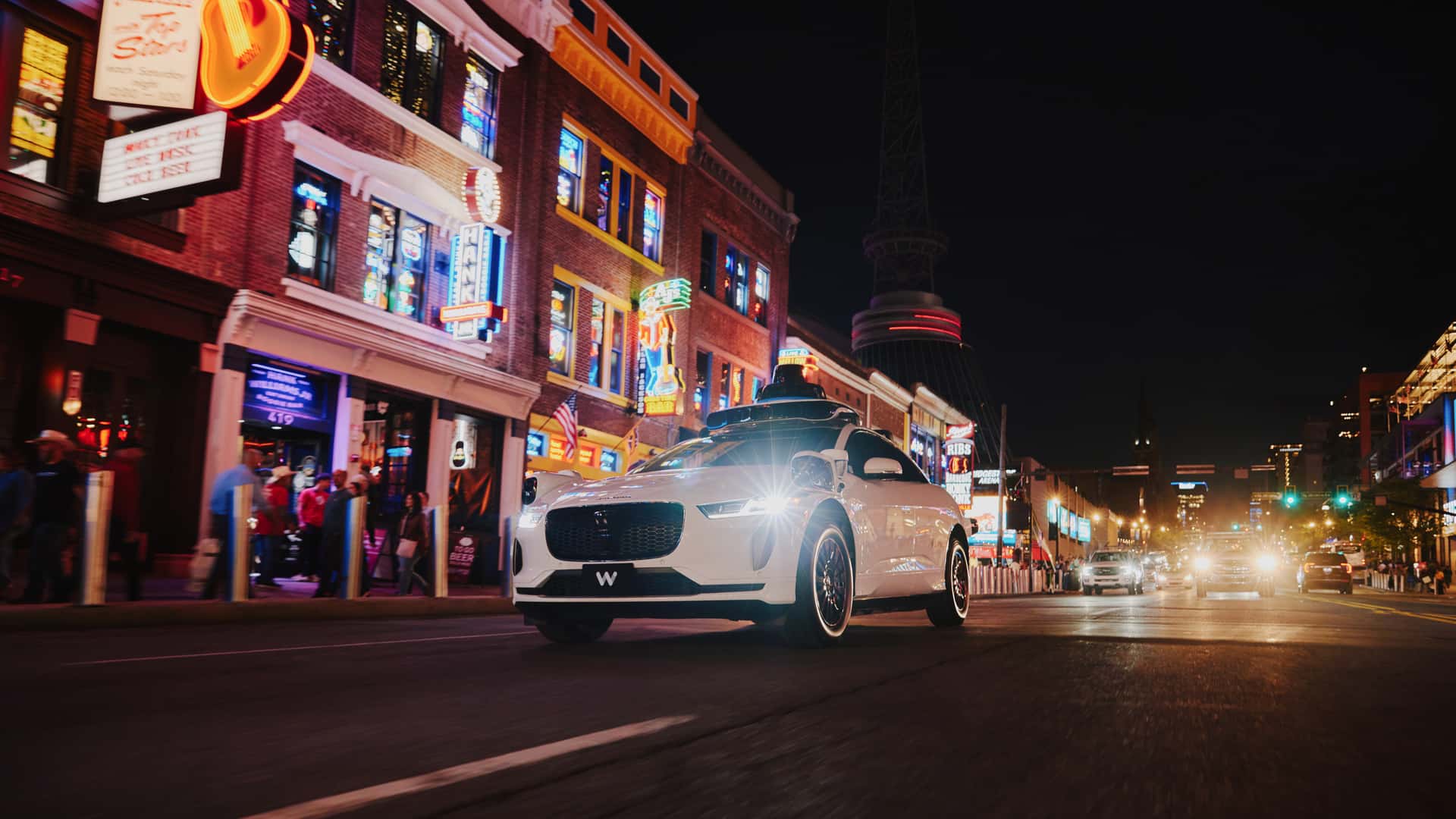
Waymo Partners With Lyft in Nashville to Expand Autonomous Rides
The commercial driverless vehicle sector has reached a critical strategic milestone as Alphabet-owned Waymo expands its footprint in Tennessee. In a strategic maneuver designed to accelerate passenger adoption, Waymo has launched driverless rides in Nashville through the Lyft mobile platform. While Waymo already offers autonomous trips in Music City via its proprietary application, integrating with Lyft significantly broadens its reach among local commuters and visitors.
This collaborative effort arrives at a time when competition across the autonomous transport sector is intensifying rapidly. Major ride-hailing networks, legacy automakers, and software developers are committing massive capital expenditures toward commercialization. By distributing its fleet across multiple booking applications, Waymo aims to maximize vehicle utilization while establishing a stronger foothold in key metropolitan regions across the United States.
Expanding Autonomous Mobility in Music City
Riders navigating Nashville through the Lyft application can now be matched with a fully autonomous Waymo vehicle without paying a premium price tier. The integration applies across standard booking categories, including Standard, Priority Pickup, Wait & Save, and Extra Comfort options. Passengers simply request a trip within the designated service zone to become eligible for an automated pickup.
The designated operating domain encompasses several high-density urban corridors in Nashville. Active coverage currently spans Downtown and the Broadway entertainment district, North Nashville, Germantown, East Nashville, Midtown, and South Nashville. This geographic footprint targets both late-night entertainment traffic and daily business commuting demands across the city’s primary core areas.
To support physical operations, Lyft’s fleet management subsidiary, Flexdrive, is managing day-to-day vehicle logistics. Flexdrive is scheduled to open a dedicated 80,000-square-foot operational facility in Nashville next month. This depot will oversee charging, vehicle sanitization, routine maintenance, and depot storage, ensuring the autonomous fleet maintains high operational uptime while serving dual platform demands seamlessly.
Strategic Shifts in the Autonomous Ride-Hail War
For riders who prefer human drivers, the platform maintains complete consumer choice through built-in software settings. Users can opt out of driverless assignments directly within the Lyft app preferences. However, behind the scenes, Waymo’s autonomous vehicles operate as a unified fleet pool, dynamically fulfilling ride requests generated by both Waymo and Lyft digital storefronts simultaneously.
The strategic alliance between Waymo and Lyft signals a notable realignment within the broader ride-hailing industry. Waymo’s existing partnership with Uber in markets like Austin and Atlanta has shown signs of friction. Financial disclosures and industry reporting indicate that Waymo intends to conclude its exclusive Uber platform distribution agreement in those cities by 2028, favoring direct consumer relationships through its own software.
Simultaneously, Uber is actively diversifying its autonomous vehicle ecosystem through partnerships with alternative technology vendors. Uber has forged operational alliances with companies including Lucid, Rivian, Motional, Zoox, Nissan, and May Mobility. Furthermore, regulatory filings show Uber has advocated for legislative frameworks in select jurisdictions requiring autonomous operators to maintain human-driven fleets alongside automated vehicles.
Market Escalation and Rising Competition
Lyft executives view the Nashville deployment as an operational blueprint for subsequent urban markets. Corporate leadership stressed that maintaining high fleet utilization across multiple software platforms remains the primary operational goal. By establishing co-existing platform integrations, both organizations aim to create a scalable foundation for long-term growth as autonomous regulations mature across North America.
The competitive landscape for driverless transportation is shifting dramatically across the United States. Competitors are rapidly deploying commercial hardware to secure market share. Tesla recently initiated passenger trials in Texas featuring its dedicated Cybercab platform, while alternative partnerships are preparing to launch specialized autonomous vehicles, such as Lucid Gravity models, in major metropolitan centers later this year.
Global expansion is also gathering momentum as technology developers test hardware in diverse international environments. International markets are seeing early deployments of automated ride-hailing systems, demonstrating that the race for autonomous dominance extends beyond American borders. Enterprise competition is forcing companies to balance software accuracy, vehicle hardware costs, and platform distribution networks.
Rapid Scaling Across North American Markets
Waymo currently operates fully driverless passenger services—without human safety monitors behind the wheel—across 14 major U.S. cities. The company recently initiated test operations in cold-climate environments like Denver, Colorado. Operating in harsh winter weather presents a critical benchmark for sensor performance, mapping accuracy, and vehicle control under adverse traction conditions.
Commercial metrics reflect rapid growth for the Alphabet subsidiary. Regulatory filings and company data reveal that Waymo surpassed 500,000 weekly paid autonomous rides earlier this year. Corporate leadership has set an ambitious benchmark to achieve more than one million weekly paid passenger trips before the end of the current calendar year.
As driverless ride-hailing transitions from experimental pilot programs to mainstream commercial infrastructure, strategic platform distribution will dictate market dominance. Waymo’s willingness to collaborate with Lyft while simultaneously scaling its own native network highlights a flexible approach to fleet distribution. This multi-platform strategy could redefine how consumers access urban transportation in the coming years.
