
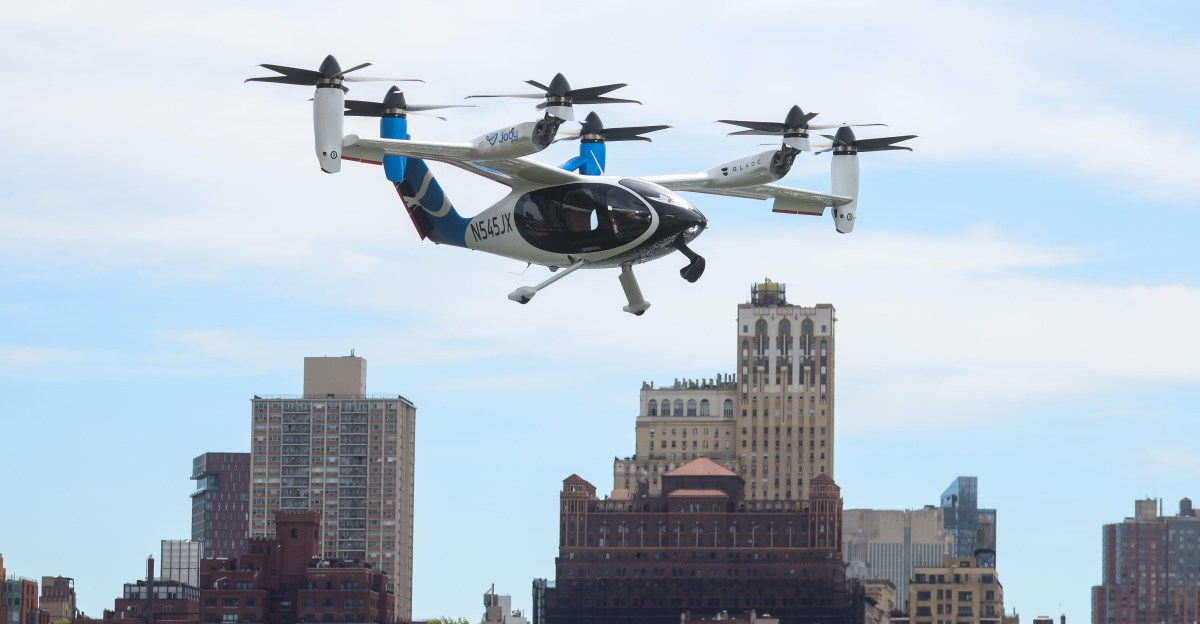
Texas Begins Groundbreaking Electric Air Taxi Test Flights
A major milestone in next-generation transportation has arrived as Texas officially launches public test flights for electric vertical takeoff and landing (eVTOL) aircraft. The trials mark the real-world operational phase of a federal initiative designed to evaluate the safety, noise profile, and traffic integration of next-generation aviation systems. Designed to bypass congested highway corridors, these futuristic vehicles could reshape regional transit.
The initial testing phase features three prominent industry players: Joby Aviation, Beta Technologies, and Wisk Aero. Over the course of an intensive week-long demonstration, these companies will deploy zero-emission prototype aircraft across predefined flight corridors. The trial represents a significant step forward in translating theoretical urban air mobility concepts into actual flight operations within shared airspace.
While the current flight slate strictly prohibits human passengers, the operational data generated will be vital. Regulators and air traffic managers are observing how seamlessly electric platforms can communicate with existing civil aviation towers. Establishing dependable operational patterns in high-density flight zones is mandatory before commercial operations can receive final federal authorization.
Federal Pilot Program Accelerates Commercial Air Mobility
The Texas flight trials form the vanguard of the Federal Aviation Administration's Advanced Air Mobility and Electric Vertical Takeoff and Landing Integration Pilot Program. Known formally as the eIPP, this initiative selected eight state-led projects nationwide to serve as real-world proving grounds. The initiative bridges the gap between emerging technological capabilities and the government's oversight infrastructure.
Crucially, these flights are proceeding even before formal regulatory frameworks governing electric air taxis have been fully finalized. The White House structured the program to run concurrently with rulemaking processes, recognizing that traditional certification pathways can take several years. Industry disclosures indicate that waiting for complete regulatory codification would severely delay North American deployments.
By capturing real-time flight metrics today, federal officials intend to build safety guidelines informed by empirical data rather than speculative modeling. The program aims to establish standardized criteria for noise monitoring, emergency protocols, charging infrastructure access, and grid load impacts. Consequently, early test metrics will directly shape future operational standards across the entire industry.
Navigating Texas Skies and Infrastructure Integration
During the week-long testing window in Texas, aircraft will simulate transit routes linking regional hub airports with major urban centers. A key focal point of the trials involves routing test flights near Dallas Fort Worth International Airport, one of the nation's busiest commercial hubs. Managing low-altitude electric flights alongside heavy commercial jetliner traffic presents a complex control challenge.
Air traffic controllers are utilizing the trials to refine digital tracking systems and altitude management protocols dedicated to low-altitude transit. Because eVTOLs operate at significantly lower altitudes than traditional passenger jets, integrating them requires specialized transit corridors. Evaluating automated tracking technologies and vehicle-to-tower communications in real time remains a primary objective for Texas flight controllers.
Texas was prioritized for early trials due to its favorable climate, expansive regional geography, and existing aviation logistics infrastructure. Industry leadership highlighted the state's readiness, with Joby Aviation chief executive JoeBen Bevirt noting that Texas possesses the necessary partnerships, infrastructure, and technical expertise to lead the next evolution of national civil aviation.
The Path to Commercialization and Type Certification
For participating manufacturers, the ultimate goal of the pilot program is securing FAA type certification. This comprehensive airworthiness designation confirms that an aircraft design meets all federal safety standards, serving as an absolute prerequisite for commercial passenger service. Achieving type certification requires thousands of hours of documented, fail-safe flight data under varied atmospheric conditions.
Participating in the eIPP gives manufacturers a distinct advantage by allowing them to gather validated flight telemetry in active municipal airspace. Analysts suggest that the head start provided by the Texas trials could shorten the overall certification timeline for leading developers by several months, positioning successful companies to launch revenue-generating passenger routes sooner than previously anticipated.
The Texas demonstration serves as the launchpad for a much broader nationwide testing rollout. Regulatory filings reveal that subsequent test phases under the eIPP will expand into seven additional states, including New York, Utah, Pennsylvania, Louisiana, Florida, North Carolina, and New Mexico. Each regional location will evaluate specific environmental conditions, ranging from dense coastal air corridors to high-altitude mountain environments.
Technical Hurdles and Legal Battles Cloud Industry Growth
Despite regulatory enthusiasm, the electric aviation sector continues to confront significant engineering bottlenecks. Current battery energy density remains a primary limiting factor, constraining flight range, payload capacity, and turnaround times between charges. Additionally, developers face complex trade-offs regarding acoustic signatures, rotor system redundancies, and optical sensor selections necessary for fully autonomous flight operations.
Beyond hardware limitations, intellectual property disputes present potential disruption for key market participants. High-stakes litigation between industry rivals, including trade secret theft and corporate espionage lawsuits between Joby Aviation and Archer Aviation, threatens to consume corporate resources and stall collaborative industry standardization. Legal maneuvering could delay joint regulatory initiatives crucial for broader adoption.
Nevertheless, the commencement of public flight trials in Texas represents a tangible step toward realizing urban air mobility. As data flows from Texas corridors into regulatory databases, the aviation sector moves closer to replacing highway gridlock with quiet, zero-emission aerial transport. The success of these initial trials will determine how quickly flying taxis transition from experimental prototypes to everyday city transit.
