
Elon Musk Hints At Landmark Merger Between Tesla And SpaceX
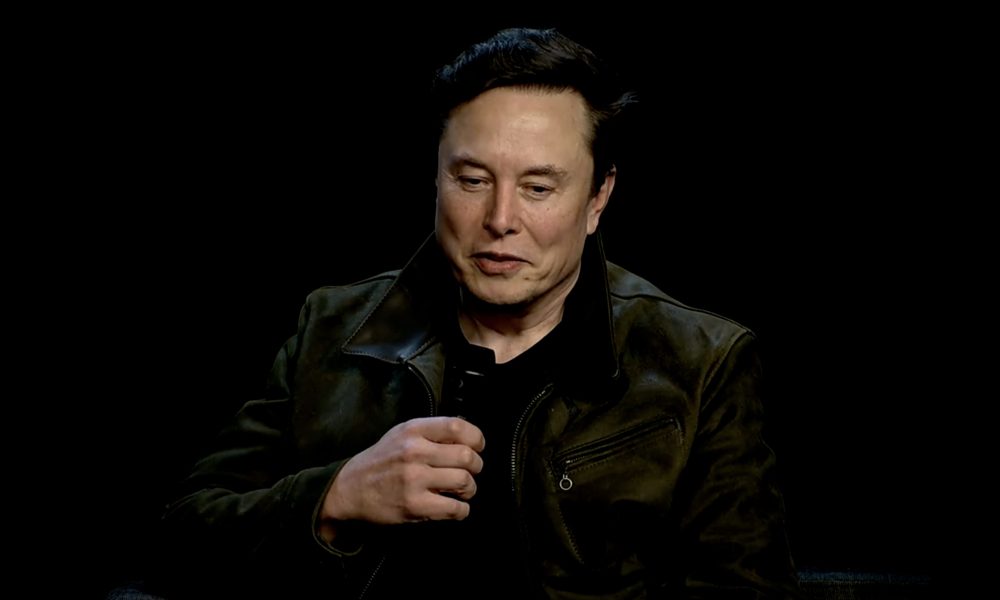
Elon Musk has delivered his most suggestive comments to date regarding a potential consolidation between Tesla and SpaceX. Speaking at the All-In Summit in Los Angeles, the chief executive acknowledged that the deepening technical and operational collaboration between his flagship electric vehicle manufacturer and private aerospace contractor makes a corporate union a question worth examining closely.
When asked directly by event hosts why the two high-profile enterprises remain separate corporate entities despite sharing critical resources, Musk offered a provocative response. He noted that given the extensive collaboration across numerous technical domains, observers could easily imagine future corporate actions taken to formally unite the operations into a single cohesive structure.
SpaceX President Gwynne Shotwell joined Musk on stage and provided operational context to the chief executive's remarks. Shotwell confirmed that SpaceX personnel have already transitioned into positions within xAI to address leadership and engineering needs, adding that the businesses are currently integrating faster than previously anticipated, even if complete consolidation has not yet occurred.
Wall Street Evaluates The Financial Feasibility Of A Deal
Financial institutions have responded swiftly to the public discussion, analyzing how a combined balance sheet might operate across multiple futuristic industries. Analyst reports from major investment banks have categorized a potential corporate combination as strategically coherent on paper, pointing out the vast technical overlap in artificial intelligence, robotics, energy storage, specialized manufacturing, and advanced transport.
Equity analysts at Jefferies published financial modeling showing how a transaction could be structured without imposing an unsustainable premium on acquiring shares. The analysis indicates that Musk could potentially retain roughly 55.3 percent voting control in a combined entity, establishing a corporate framework where legacy Tesla shareholders could still benefit from shared equity value.
Market sentiment and prediction platforms have shifted dramatically following the summit disclosures. On decentralized prediction exchange Kalshi, market participants currently price the probability of a formal merger occurring before 2028 at roughly 66 percent. Meanwhile, prominent technology analysts at firms like Wedbush have maintained target timelines suggesting a potential consolidation window opening by 2027.
Shared Infrastructure And Cross-Ownership Lay The Foundation
The foundation for an eventual merger is already reflected in existing cross-corporate equity ties and joint engineering endeavors. Regulatory filings reveal that Tesla maintains a minority stake in SpaceX, a position originally established through earlier funding into xAI before the artificial intelligence venture was absorbed into the aerospace organization's broader corporate hierarchy.
Beyond paper equity, the two enterprises are actively expanding physical infrastructure together to solve shared supply chain challenges. Construction is underway in Austin, Texas, on a massive semiconductor production facility known internally as Terafab. This shared factory is designed to produce specialized computing chips tailored for both Tesla’s autonomous vehicle networks and SpaceX’s satellite communications systems.
The operational crossover extends deep into human capital and software development across both technology powerhouses. Engineering teams from both enterprises regularly consult on material science, battery architecture, and advanced manufacturing techniques. Shotwell’s confirmation of active personnel sharing highlights an informal operational integration that already precedes any official corporate restructuring or board actions.
Product Synergies And Imminent Unveiling Hints
The timing of these statements aligns with upcoming product milestones that explicitly highlight the technical overlap between automotive and space operations. Tesla has scheduled an October event to unveil its next-generation Roadster prototype, selecting a venue in close physical proximity to SpaceX’s rocket testing facilities in McGregor, Texas.
Promotional materials distributed for the event feature aerospace-inspired terminology, including phrases like "Go for launch," reinforcing long-standing promises of cold-gas thruster technology integrated into the high-performance vehicle. Analysts view this upcoming product debut as a practical demonstration of how deep technical collaboration can yield hybrid consumer products bridging land and space travel.
Market Dynamics And The Strategic Path Forward
Financial markets reflected mild volatility immediately following the summit remarks, as institutional investors evaluated the governance implications of a mega-merger. Both stocks experienced modest downward pressure of approximately two percent during initial trading sessions before stabilizing in pre-market activity, with SpaceX equity ticking upward slightly while Tesla shares traded largely flat.
Industry observers note a distinct shift in communication strategy compared to previous executive responses regarding corporate restructuring. In prior years, queries regarding a potential merger were met with definitive denials or dismissals. The recent refusal to rule out a combination, presented alongside live commentary from senior operations leadership, signals a far more open stance toward structural consolidation.
Any formal merger proposal would face significant legal, regulatory, and corporate governance scrutiny due to conflicts of interest and fiduciary duties owed to public shareholders. However, given the growing alignment in chip manufacturing, artificial intelligence research, and executive leadership, the theoretical boundaries separating these multi-billion-dollar entities continue to dissolve rapidly.
