
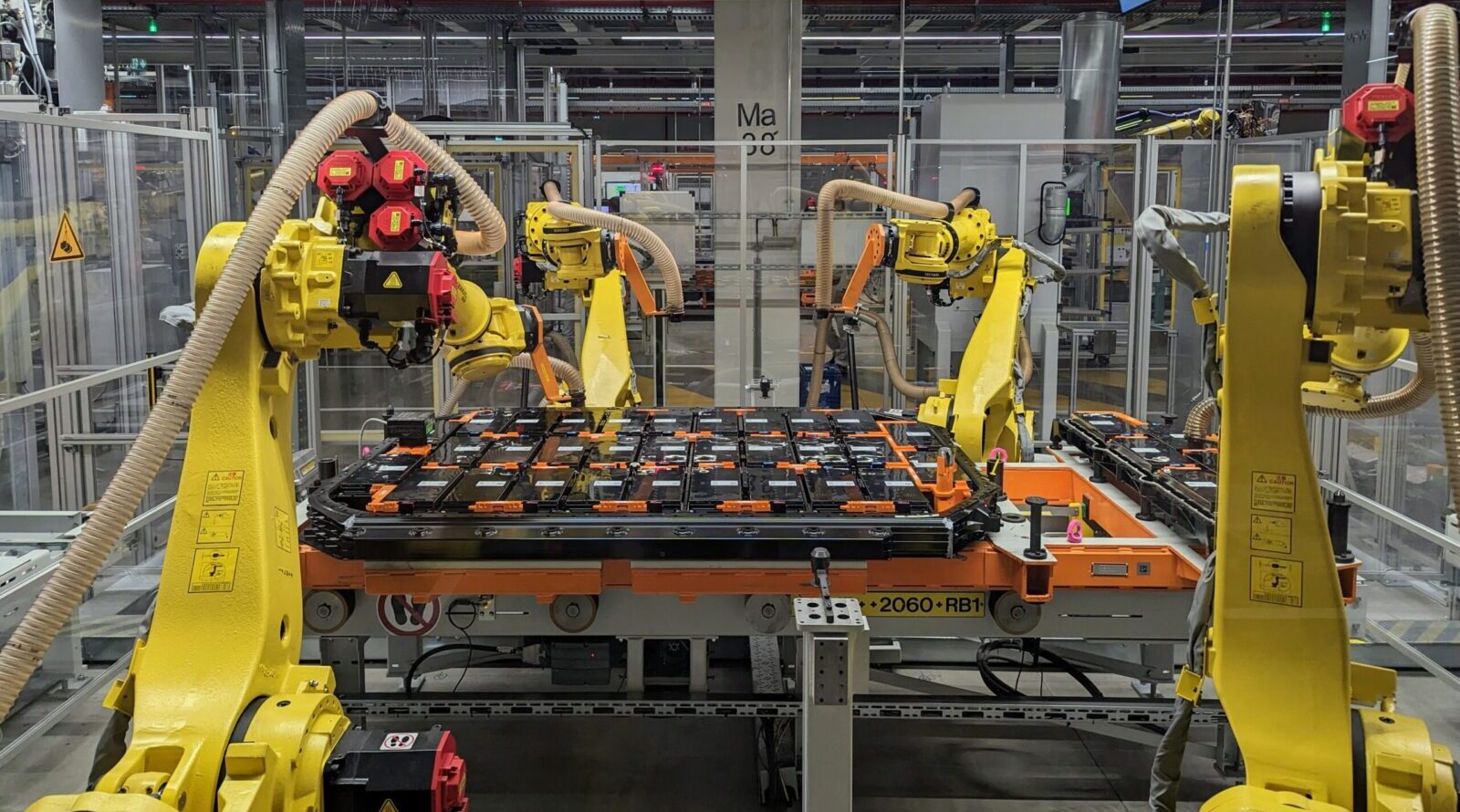
European Coalition Pushes Strategic Plan for EV Battery Supply
The Strategic Imperative Behind Europe’s Battery Ambitions
As Europe accelerates its transition toward a decarbonized economy, energy storage technologies have emerged as the foundational pillar of modern infrastructure. Lithium-ion cells and advanced battery packs now power everything from passenger electric vehicles to utility-scale storage systems. However, industry filings reveal a striking paradox: while the continent is embedding these energy systems at a record pace, it produces almost none of the required raw inputs locally.
To address this critical exposure, a newly formed alliance of industrial leaders, energy experts, and policy advisors has launched a strategic initiative known as the Backbone Coalition. The collective argues that batteries must be treated as a strategic gateway technology. Without an independent and resilient battery ecosystem, Europe risks trading its historical reliance on foreign fossil fuels for a new dependency on imported battery materials.
Significant volumes of public funding are already directed toward green technology deployment across European Union member states. Yet analyst reports indicate that current policy frameworks fail to adequately protect local manufacturing ecosystems. Over the next three years, European regulators face a narrow window of opportunity to implement industrial strategies that incentivize local production, safeguard capital investments, and establish competitive scaling mechanisms for regional battery producers.
Vulnerabilities in Raw Material and Input Processing
The primary threat to Europe’s technological autonomy stems from acute supply-chain concentration. Although cell manufacturing gigafactories are expanding across several European regions, the upstream processing of critical minerals—including lithium, nickel, cobalt, and synthetic graphite—remains heavily concentrated in non-European markets. This structural imbalance leaves European automotive manufacturers and energy providers highly vulnerable to global trade disruptions and geopolitical bottlenecks.
Regulatory disclosures highlight that European taxpayers are effectively subsidizing clean energy adoption while foreign entities capture the high-margin industrial processing value chain. Without dedicated interventions to build domestic refining capacity, public subsidies will continue to flow outward. Industry advocates stress that establishing localized chemical processing facilities is essential to capturing the complete economic benefit of the transition to zero-emission mobility.
To counter these vulnerabilities, European policy strategies are pivoting toward trusted trade alliances and regional raw material sourcing. By forging strategic partnerships with friendly nations and fostering domestic mining and refining projects, the region aims to create a closed-loop supply system. This approach focuses not only on raw extraction but also on scaling advanced recycling facilities to recover valuable battery-grade metals domestically.
Expanding Beyond Mobility to Defense and Power Grids
While electric vehicles dominate public discussions around battery demand, recent strategic assessments demonstrate that energy storage is equally vital to national security and grid resilience. As variable renewable power generation from wind and solar expands, stationary battery energy storage systems are essential for maintaining grid frequency and preventing blackouts. Batteries are rapidly becoming the invisible backbone of modern electrical networks.
Furthermore, defense sector analyses highlight a growing integration of battery technologies into military capabilities. Tactical ground vehicles, unmanned surveillance drones, field equipment, and naval auxiliary systems increasingly rely on high-density energy storage. Securing the supply of advanced batteries is therefore no longer strictly an environmental objective; it has evolved into a fundamental requirement for operational defense readiness and sovereign security across member states.
By recognizing energy storage as dual-use infrastructure, European security strategists urge policymakers to align defense procurement with commercial clean technology goals. Unifying these sectors ensures that defense spending reinforces the domestic battery industrial base. A robust local manufacturing ecosystem guarantees that high-specification cells required for defense applications remain accessible during geopolitical crises, preventing critical operational bottlenecks when sovereign security is tested.
Policy Blueprint to Build Local Manufacturing Scaling
Translating high-level industrial ambition into competitive domestic production requires immediate, structural reform of European regulatory frameworks. Industry experts recommend establishing strict sustainability, performance, and ethical sourcing benchmarks for all energy storage products sold within the market. By enforcing rigorous environmental footprints and full carbon-intensity tracking, European regulators can naturally favor high-standard local producers over lower-cost, carbon-intensive imports.
Demand-side incentives must also be restructured to favor supply chains anchored in trusted jurisdictions. Policy proposals outline public procurement criteria that require minimum quotas of locally processed components for government fleets and utility projects. Implementing transparent supply chain tracing mechanisms ensures that public subsidies directly stimulate regional job creation, technological innovation, and sustainable chemical manufacturing throughout the European continent.
Administrative hurdles present another major obstacle to rapid industrial expansion. Prolonged permitting timelines for gigafactories, chemical refining plants, and recycling facilities currently delay capital deployment. Streamlining regulatory approval processes through designated strategic industrial zones will allow European projects to move from planning stages to operational status far more rapidly, keeping pace with aggressive global clean technology timelines.
Securing Financial Backing and Supply Chain Sovereignty
Scaling a self-sustaining battery industrial complex demands unprecedented capital allocation across both public and private sectors. Financial disclosures suggest that private investors require stronger de-risking mechanisms, such as long-term off-take guarantees and targeted tax credits, to commit capital to early-stage processing facilities. Matching public co-investments with private venture capital will be necessary to build scale quickly.
Ultimately, Europe’s transition to an electrified economy hinges on its ability to assert technological sovereignty over its energy storage assets. By unifying clean transport directives, energy security protocols, and industrial policy, the region can secure its industrial future. Establishing a resilient, competitive domestic battery backbone will ensure economic stability, protect energy independence, and power the next generation of industrial innovation.
