
Madrid Formula One Grand Prix Fails To Match Historic Monza
Pure Passion and Drama at Monza's Historic Temple of Speed
The contrast between traditional European racing cathedrals and modern urban circuits has never been starker than during Formula One's latest calendar swing. At Monza, the legendary Italian temple of speed just outside Milan, thousands of passionate fans packed the stands. Despite grueling logistics and long walks to reach the facility, the electric atmosphere delivered unforgettable high-stakes motorsport drama that reminded observers why historic venues remain the beating heart of racing.
The passionate Italian supporters experienced immediate heart-wrenching disappointment as the race got underway. Ferrari driver Charles Leclerc made an aggressive maneuver early on, managing to severely compromise both his teammate's race and his own within the opening two laps. The early incident effectively neutralized the home team's chances at victory, setting a chaotic tone for an unpredictable afternoon of racing through the parkland layout.
Kimi Antonelli Drives a Legendary Recovery Race in Italy
Salvation for local spectators arrived through rising Italian star Kimi Antonelli. Starting from 19th grid position following strategic engine component replacement penalties, the young Mercedes driver faced an uphill battle. However, Monza's lengthy straightaways and heavy braking zones offered optimal overtaking opportunities. Antonelli demonstrated remarkable composure and blinding raw speed while slicing through the midfield order with surgical precision during his initial stint.
A severe crash involving Leclerc at the Parabolica curve caused a temporary red-flag stoppage, allowing Antonelli to reset from 12th position. Resuming on fresh medium tires while still needing another pit stop, Antonelli executed relentless passes. Even a dramatic off-track excursion through the gravel trap while battling teammate George Russell could not slow his momentum. He ultimately secured a fairy-tale victory, becoming Italy's first home winner in 60 years.
The Flawed Vision of Madrid's Sprawling Street Layout
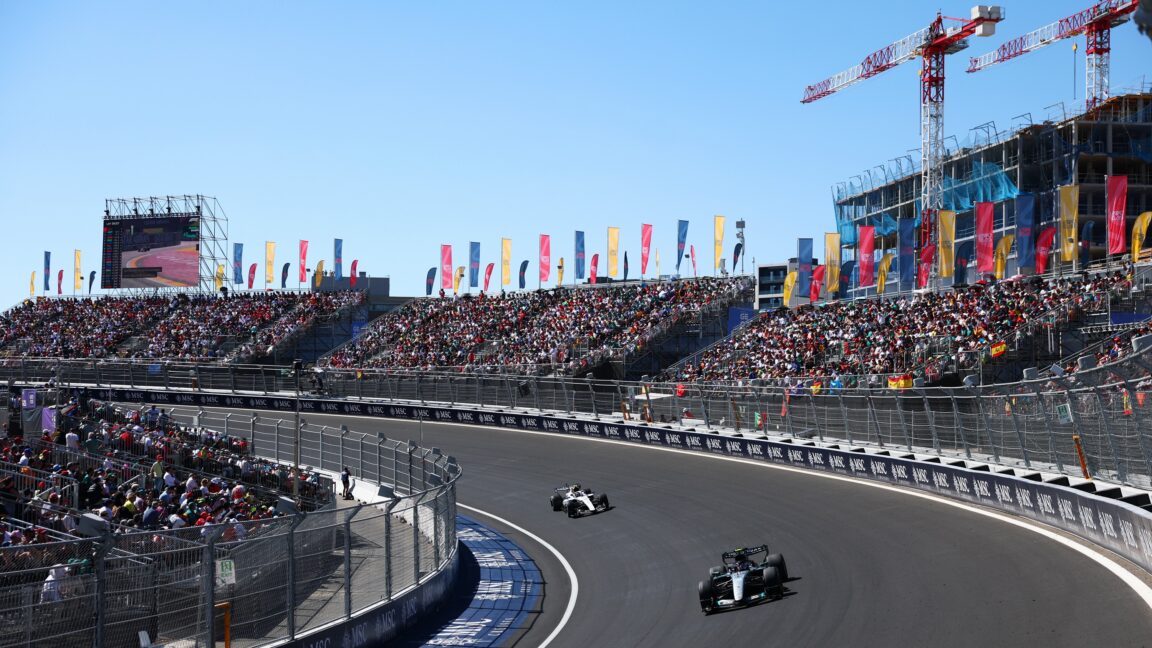
Following the emotional highs of Italy, the paddock traveled to Spain to contest a premiere event on the newly constructed Madring layout. Built around a sprawling exhibition center near the Madrid capital airport, the 3.3-mile street circuit faced significant skepticism prior to green flag running. Troubled gestation, severe construction delays caused by heavy rainfall, and physical constraints from overriding highway structures hindered the circuit's original design ambitions.
Engineers and track planners incorporated a heavily banked corner designed to emulate high-speed American oval racing and encourage wheel-to-wheel passing. Support categories like Formula Two and Formula Three initially validated these concepts, delivering chaotic sessions featuring frequent collisions, overtakes, and multiple safety car deployments. However, the dramatic entertainment generated by junior drivers failed to translate once top-tier Grand Prix machinery took to the asphalt.
Processional Racing Erases High Expectations in Spain
Grand Prix competitors possessed far too much experience to fall into the traps that plagued the junior categories. Recognizing the extreme physical limits and narrow racing lines around the concrete barriers, drivers opted for strategic risk aversion rather than aggressive overtakes. The banking proved far less effective for high-downforce cars, turning the main event into a tedious procession where positions remained largely static throughout the long distance.
McLaren driver Lando Norris initially controlled the Spanish event with absolute authority. After capturing pole position during a qualifying session where driver skill outweighed raw machinery performance, Norris sprinted out to a comfortable lead from the starting light sequence. He maintained superior pace over his rivals during the opening stint, looking completely untroubled as he systematically managed his tire degradation out front.
Strategic Missteps and Pit Lane Chaos Decide the Winner
The competitive dynamic shifted dramatically on lap 14 when Lance Stroll brought his broken Aston Martin to a stop, prompting race officials to declare a virtual safety car condition. Under reduced speed regulations, entering the pit lane offers a massive time-saving advantage over green-flag conditions. Drivers Kimi Antonelli and Max Verstappen immediately capitalized on the neutralization, slowing down slightly to timing markers before diving into the pits.
Timing proved disastrous for the race leader. The initial virtual safety car status was activated just after Norris passed the pit entry line, preventing an immediate defensive pit stop. When the green flag returned just as he completed his lap, McLaren made the bewildering decision to call Norris in anyway under full racing conditions. This strategic error abandoned his track position advantage without gaining the time-saving benefit of the virtual safety car.
To make matters worse for the British driver, a stubborn wheel nut delayed his pit stop for more than seven seconds, nearly triple the standard modern service time. Norris rejoined the running order in fifth position with extensive ground to recover. Although he eventually fought back to secure a third-place podium finish, the afternoon highlighted how clinical strategy often triumphs over pure driver speed on uninspiring street tracks.
The stark contrast between Monza's authentic racing spectacle and Madrid's artificial venue raises broader questions for series organizers. While temporary urban circuits expand commercial footprints into major metropolitan centers, they rarely replicate the high-octane drama of historic racing shrines. Formula One faces a delicate balancing act as it continues prioritizing purpose-built street circuits over traditional facilities built specifically for uncompromised, wheel-to-wheel motorsports competition.
