
Dutch Grand Prix Proves Teammate Rivalries Define Formula 1
Formula 1 returned from its mandatory summer sabbatical with high drama at Zandvoort for the Dutch Grand Prix. Headlines before the race weekend were dominated by major driver market confirmations, led by four-time world champion Max Verstappen committing his future to the sport. Concurrently, Williams announced contract renewals for both Alex Albon and Carlos Sainz, stabilizing their roster ahead of upcoming technical overhauls.
However, ink on paper rarely guarantees immediate success on the asphalt. All three freshly signed drivers endured frustrating weekends at Zandvoort, highlighting a recurring motorsport phenomenon where contract celebrations quickly turn into trackside struggles. Beyond individual fortunes, the weekend exposed growing friction between garage neighbors across the grid, reiterating an immutable truth in open-wheel racing.
In Formula 1, the driver you most urgently need to beat is the one occupying identical machinery on the other side of your garage. While rival constructors present distinct engineering challenges, a teammate provides the only direct baseline for a driver's raw capability. When car performance fluctuates, internal rivalries inevitably intensify as drivers fight to establish hierarchy within their respective organizations.
The Financial Limits of Midseason Car Development
What truly sets Formula 1 apart from other motorsport disciplines is the continuous pace of in-season technical development. History shows that starting a championship campaign with a dominant aerodynamic advantage does not guarantee year-end glory. Brawn GP demonstrated this in 2009, winning early races before a limited budget halted development, allowing deep-pocketed competitors like Red Bull and McLaren to close the gap rapidly.
In the modern era, teams face a vastly different structural constraint in the form of a strict $215 million cost cap. While top-tier operations previously threw endless capital at unexpected performance deficits, current financial regulations limit midseason redesigns. Teams must carefully calculate when and where to deploy aerodynamic floor revisions and chassis upgrades to maximize potential points without exceeding seasonal spending thresholds.
Addressing these economic realities, Mercedes team boss Toto Wolff acknowledged paddock reporters regarding the team's resource management constraints. Wolff noted that the squad simply lacks the financial bandwidth to introduce continuous development packages. Instead, engineering teams must evenly split updates throughout the calendar based on calculated returns, ensuring strategic optimization rather than reactive spending on short-term fixes.
McLaren Capitalizes as Mercedes Faces Reliability Woes
These spending restrictions have created complex operational dilemmas for frontrunning teams. Mercedes engineered a powerful package that yielded early victories, but ongoing mechanical unreliability has plagued George Russell's chassis. Conversely, rookie sensation Kimi Antonelli has capitalized on clean running to maintain a strong points buffer at the top of the championship standings, echoing historical early-season title runs.
Capitalizing on these vulnerabilities, McLaren demonstrated exceptional development efficacy at Zandvoort. The squad has consistently brought functional upgrades to track surfaces across multiple technical eras without stumbling over correlation issues. In the hands of Lando Norris, the upgraded McLaren displayed superior race pace, tracking down Antonelli on track to claim a commanding victory by nearly twelve seconds.
McLaren's triumph underlines the vital importance of real-world upgrade validation under strict financial constraints. While rivals struggle to balance reliability fixes against performance updates, efficient engineering departments gain compound advantages. By delivering functional parts directly from the wind tunnel to the track, teams can out-develop competitors who are hampered by budget caps and unexpected garage repairs.
Upgrades Reshape the Midpack Competition
Further down the order, aggressive technical development transformed the midfield hierarchy at Zandvoort. Alpine, Ferrari, and McLaren all brought comprehensive aerodynamic packages to the Netherlands, pushing the pace of midpack competition higher. Meanwhile, Aston Martin built upon momentum gained prior to the summer break, leveraging fresh power unit enhancements to drag its chassis firmly into point-scoring contention.
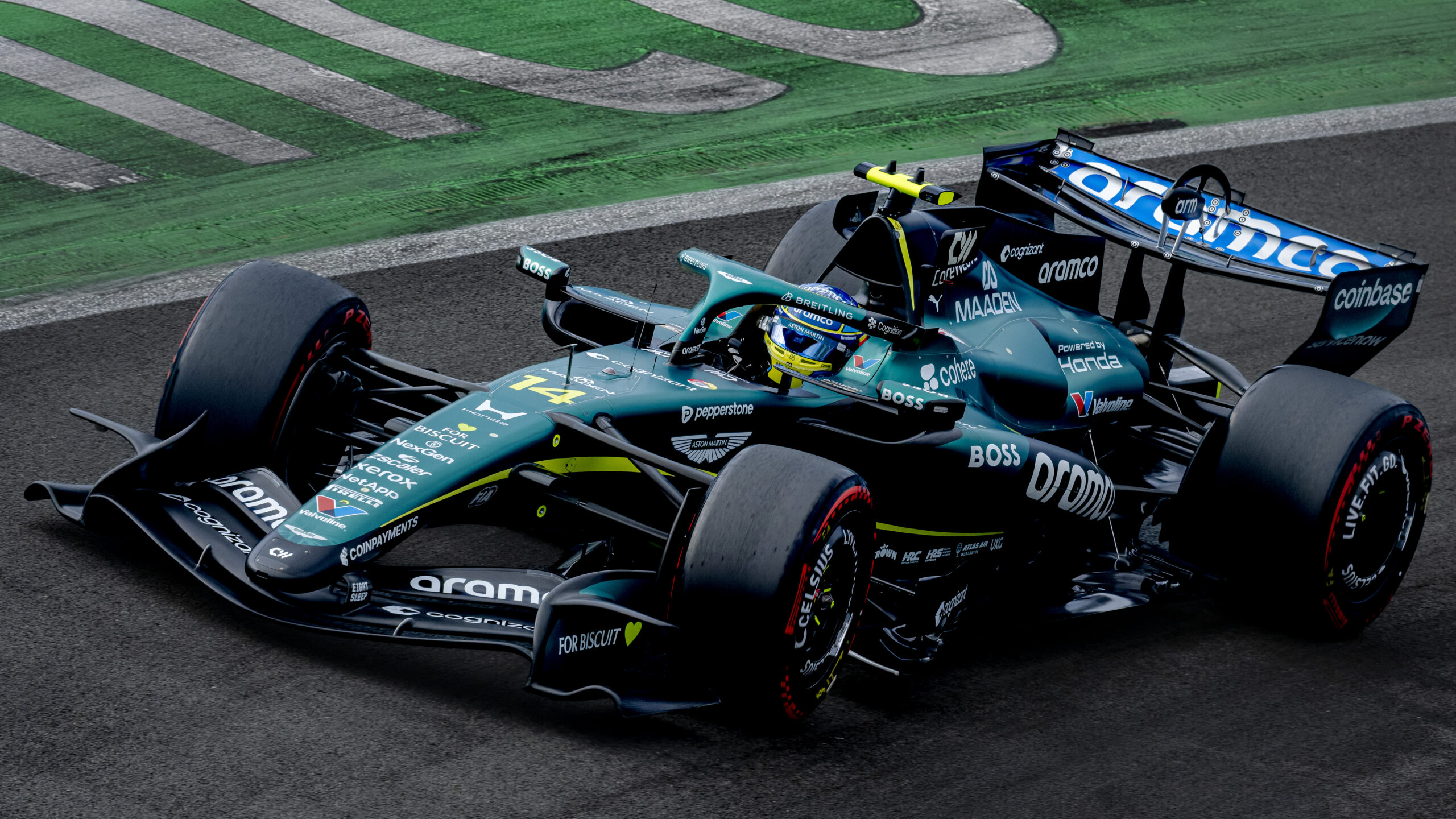
An updated Honda power unit delivered tangible performance gains for Aston Martin over the weekend. Veteran champion Fernando Alonso noted in post-race briefings that the team had successfully slashed its average deficit to the leaders from 4.5 seconds down to roughly 1.5 seconds over two race weekends. Alonso converted that improved pace into a solid ninth-place finish, securing crucial constructors' points.
Yet technical progress within the same team remained uneven, highlighting hardware inconsistencies across identical cars. Lance Stroll experienced a much more challenging race, voicing frustration over poor engine drivability and persistent transmission anomalies. Stroll reported that his gearbox repeatedly rejected downshift commands during heavy braking zones, compromising his corner entry speeds and leaving him outside the points.
The Escalating Pressure of Intra-Team Dynamics
As the grid heads toward the final stretch of the season, the combination of cost caps and mechanical variance guarantees further intra-team tension. Drivers operating with identical equipment face ruthless internal comparisons, knowing that car upgrades may favor one driving style over another. When components fail or updates underperform, frustration inevitably manifests between teammates fighting for career survival.
The Dutch Grand Prix served as a stark reminder that in Formula 1's modern era, engineering balance and teammate dynamics are deeply intertwined. With financial limits capping rapid technical corrections, team leaders must manage both financial allocations and driver relationships. As rivalries heat up inside shared garages, the battle against one's teammate remains the ultimate benchmark of success.
