Federal Regulators Launch Probe Into Tesla Cybercab Rollout
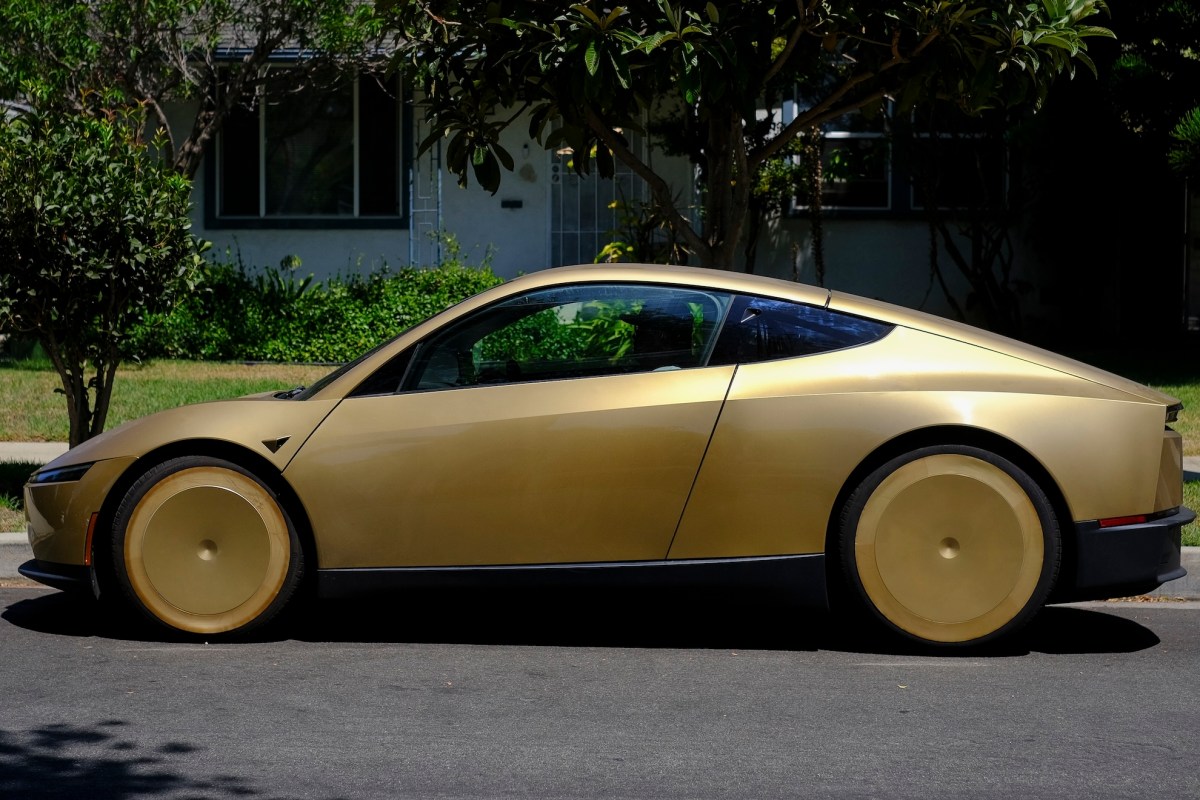
Federal automotive safety officials have formally initiated an investigation into Tesla following the public road debut of its steering-wheel-free Cybercab. The regulatory inquiry was launched mere hours after the electric vehicle manufacturer deployed its first fleet of autonomous taxis onto public streets in Austin, Texas. The quick action highlights rising federal scrutiny over driverless vehicle safety architecture.
The National Highway Traffic Safety Administration confirmed the probe focuses directly on the vehicle design, which completely eliminates physical pedals and steering mechanisms. Current Federal Motor Vehicle Safety Standards mandate traditional driver controls in all production vehicles. Regulators emphasized that while they support automated vehicle development, statutory safety mandates must be rigorously followed by every automotive manufacturer.
According to official statements, the agency aims to balance technological innovation with public safety oversight to maintain domestic leadership in autonomous transportation. Officials noted that existing federal requirements remain legally binding until formal revisions are officially finalized. Consequently, Tesla’s immediate deployment strategy faces significant legal scrutiny as regulators evaluate whether the vehicle’s operating architecture adheres to federal safety statutes.
Examining the Self-Certification Pathway
Automakers in the United States traditionally utilize a self-certification process to confirm that new vehicle designs comply with federal safety regulations. Tesla submitted regulatory filings asserting that the Cybercab satisfies all relevant safety requirements despite lacking manual driving controls. This submission prompted federal investigators to inspect the underlying engineering data and technical assumptions supporting the company's compliance declaration.
Regulatory disclosures indicate that the federal probe will carefully examine the technical data and analytical processes Tesla relied upon during certification. Investigators are focused on assessing whether Tesla made internal determinations that certain long-standing safety standards were legally inapplicable to fully automated platform designs. This evaluation will determine if Tesla bypassed mandatory regulatory procedures prior to public road usage.
If regulators determine that self-certification was insufficient or legally flawed, Tesla could be required to pause operations or seek explicit federal exemptions. Obtaining specialized exemptions requires automakers to demonstrate that novel vehicle designs provide an equivalent level of overall safety compared to conventional production models equipped with traditional human controls, a process that historically requires extensive administrative review.
Historical Precedents in Autonomous Vehicle Oversight
This regulatory scrutiny mirrors previous federal investigations into unconventional autonomous vehicle designs. In 2022, Amazon subsidiary Zoox self-certified a custom bi-directional robotaxi that similarly omitted pedals and steering controls. The federal safety agency subsequently issued a formal audit query and detailed special orders to evaluate Zoox’s safety rationale, effectively slowing the company's initial commercialization timetable.
Zoox ultimately pursued a formal Part 555 exemption process, requesting temporary relief from specific safety standards that assumed the presence of human drivers. That administrative process culminated in regulatory approval years later, allowing restricted commercial deployment. The federal exemption capped fleet expansion at 2,500 vehicles annually over a two-year window, establishing clear operational boundaries for public ride-hailing services.
The historical timeline established by prior robotaxi audits suggests that Tesla could face a prolonged administrative review if forced into the formal exemption pipeline. While Zoox navigated regulatory steps across multiple federal administrations before launching paid rides in Nevada, Tesla’s aggressive commercial rollout strategy relies on scaling autonomous operations rapidly across multiple metropolitan markets without multi-year administrative delays.
Shifting Regulations versus Existing Legal Frameworks
Federal regulators are currently drafting modernized safety frameworks specifically designed to accommodate fully autonomous vehicles built without manual controls. Proposed rule changes seek to eliminate outdated mechanical requirements, such as steering shafts and brake pedal assemblies, for vehicles engineered exclusively for automated operation. Industry analysts view these pending updates as crucial for modernizing transportation infrastructure.
However, regulatory authorities underscored that existing standards remain fully active until new rules are formally codified into federal law. The agency reiterated that administrative rule-making processes cannot be preempted by commercial deployments. Automakers must remain compliant with established statutes regardless of pending regulatory updates designed to streamline future driverless vehicle integration.
This structural conflict highlights growing tensions between rapid technological deployment and traditional regulatory review cycles. While software-driven transportation moves at a fast pace, federal regulatory enforcement remains anchored to existing safety frameworks. The resolution of this investigation could establish significant precedent for how next-generation autonomous platforms are certified and deployed across the nation.
Implications for Commercial Robotaxi Deployment
The federal inquiry introduces operational uncertainty for Tesla’s broader robotaxi launch strategy. The company has positioned the Cybercab as a cornerstone of its future business model, aiming to challenge established ride-hailing services with low per-mile operating costs. A prolonged federal investigation could delay plans to expand driverless passenger services beyond initial test locations into broader consumer markets.
Industry filings and regulatory filings show that public safety organizations and rival technology developers are watching the outcome closely. Competitors operating autonomous fleets have largely adhered to conventional exemption processes or retained backup safety drivers during testing phases. A strict regulatory decision regarding Tesla's self-certification approach could enforce industry-wide standardization for driverless vehicle compliance procedures.
As federal safety officials inspect Tesla's technical documentation, the autonomous vehicle industry faces a pivotal regulatory moment. The ultimate outcome will clarify whether existing self-certification frameworks can accommodate radically redesigned driverless vehicles or if formal federal exemptions remain strictly mandatory before operating control-free transportation platforms on public roadways nationwide.
