
GM Updates Truck Software With New CarPlay Projection Features
General Motors is introducing a comprehensive software overhaul for its top-selling full-size trucks, targeting friction points in driver usability and digital controls. Unveiled for upcoming vehicle iterations, the redesigned user interface debuts on the 2027 Chevrolet Silverado 1500 and 2027 GMC Sierra 1500. The updated operating environment focuses on reducing driver distraction while providing cleaner visual transitions across expanded cockpit screens.
The core philosophy behind this software update centers on simplifying interactions without sacrificing functional depth. Recent analyst reports indicate that truck buyers increasingly prioritize intuitive technology over sheer feature count. By refining digital layouts across the cabin, GM aims to deliver a cohesive infotainment experience that seamlessly balances heavy-duty capability with modern consumer electronics standards.
Enhancing the Cockpit Experience for Full-Size Pickups
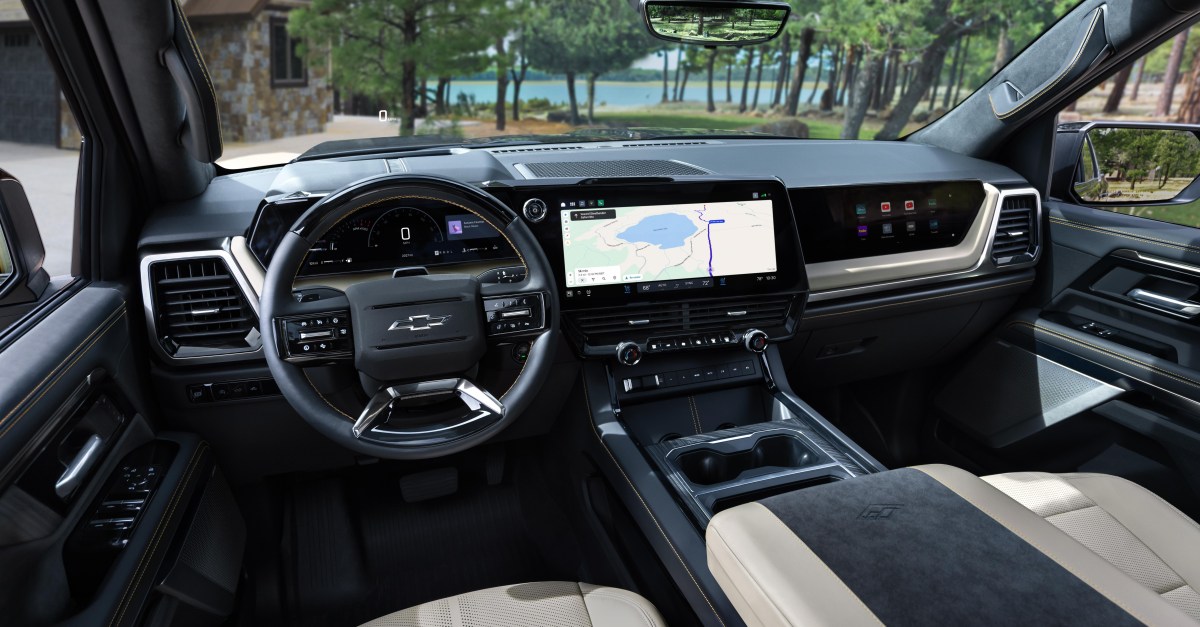
Modern pickup trucks feature massive digital real estate, spanning over 60 combined inches of screens across the instrument cluster, central display, and optional passenger panels. Rather than overwhelming drivers with complex submenus, GM’s upgraded operating system utilizes this spatial layout to enlarge tap zones and prioritize high-frequency functions. Visual elements now feature animated transitions, preventing sudden full-screen disruptions during operation.
Safety and ergonomics remain central to the redesign. Product development teams emphasized that larger digital tap targets accommodate real-world driving environments, such as traveling across rough terrain or bumpy roads. By making on-screen buttons substantially larger, drivers can execute quick inputs without precision swiping, directly addressing common complaints regarding capacitive touchscreen usability in work trucks.
Coexisting With Smartphone Projection and Picture-in-Picture
Perhaps the most notable element of the software update is the enhanced integration of Apple CarPlay and Android Auto. Despite GM’s broader strategic shift toward native operating systems in its electric vehicle portfolio, these internal-combustion trucks retain smartphone projection. Furthermore, the system introduces a picture-in-picture mode that allows projected smartphone applications to reside alongside native vehicle features smoothly.
This multi-window framework resolves long-standing frustrations where smartphone projection completely masked essential truck software displays. Drivers can now view Apple CarPlay navigation maps alongside built-in trailering graphics, climate details, or media playback widgets simultaneously. The split-screen approach allows key vehicle telemetry to remain continuously visible, striking a practical balance between native controls and preferred mobile operating platforms.
Industry filings highlight that software flexibility remains a critical purchase driver among commercial and retail truck owners alike. By allowing native vehicle applications to coexist alongside mirrored smartphone interfaces, GM avoids alienating customers who rely heavily on iOS or Android ecosystems. The resulting design reflects a pragmatic approach to infotainment architecture across high-volume utility vehicle lines.
Designing Ergonomic Interfaces for Real-World Driving Conditions
Addressing customer feedback regarding physical controls, GM chose not to migrate every tactile switch into screen menus. Hard buttons remain dedicated to core climate operations, defrost, and essential driving parameters. However, secondary adjustments—such as airflow direction—now manifest as fast-sliding digital flyouts, keeping the dashboard clean while maintaining rapid physical access to primary temperature controls.
In addition to flyout menus, the interface incorporates smartphone-inspired gestures, including a swipe-down top notification bar. This pull-down panel grants immediate access to high-frequency controls like device switching, privacy modes, and main system settings. Drivers can even disable vehicle microphones directly from this quick-access menu, simplifying privacy management without navigating deep system hierarchies.
The software also establishes a strict design hierarchy separating permanent vehicle settings from daily controls. One-time setup screens for driver profiles and vehicle preferences are tucked away safely, ensuring they never clutter operational menus. Meanwhile, frequently adjusted features remain instantly accessible through dynamic homescreen cards and custom shortcuts tailored to driver habits.
Streamlined Control Layouts and Advanced Trailering Tools
Given that towing represents a primary use case for full-size pickup owners, GM significantly enhanced its integrated trailering suite. Upon connecting a trailer, the software automatically detects the load and adjusts native navigation to provide trailer-aware routing. This feature accounts for low bridges, tight turn radiuses, and weight restrictions, integrating seamlessly with both cluster displays and main infotainment panels.
Trailering metrics are now displayed across both the driver information cluster and a compact homescreen card on the main screen. This redundant layout ensures critical trailering data, such as brake controller gain and tire pressures, remains visible without taking over navigation screens. Advanced driver-assist visual graphics also receive high-definition updates for improved clarity during highway towing.
Modernizing Digital Fleet Operations and Future EV Strategy
Digitalization extends even to traditional mechanical components within the truck’s diagnostic architecture. Underneath the vehicle status menus, driver checks for engine oil levels are now handled electronically via virtual sensors on the display. By digitizing status telemetry, GM offers real-time health monitoring that alerts drivers to maintenance needs before physical checks become urgent on job sites.
As GM rolls out this enhanced interface on upcoming gas-powered Silverado and Sierra models, automotive observers will evaluate how customer reaction shapes future software rollouts across the broader lineup. By refining touch geometry, enabling picture-in-picture projection, and preserving physical switches for essential commands, GM presents a thoughtful vision for modern truck cockpits.
