
Holcim Electrifies Cement Production With Thermal Batteries
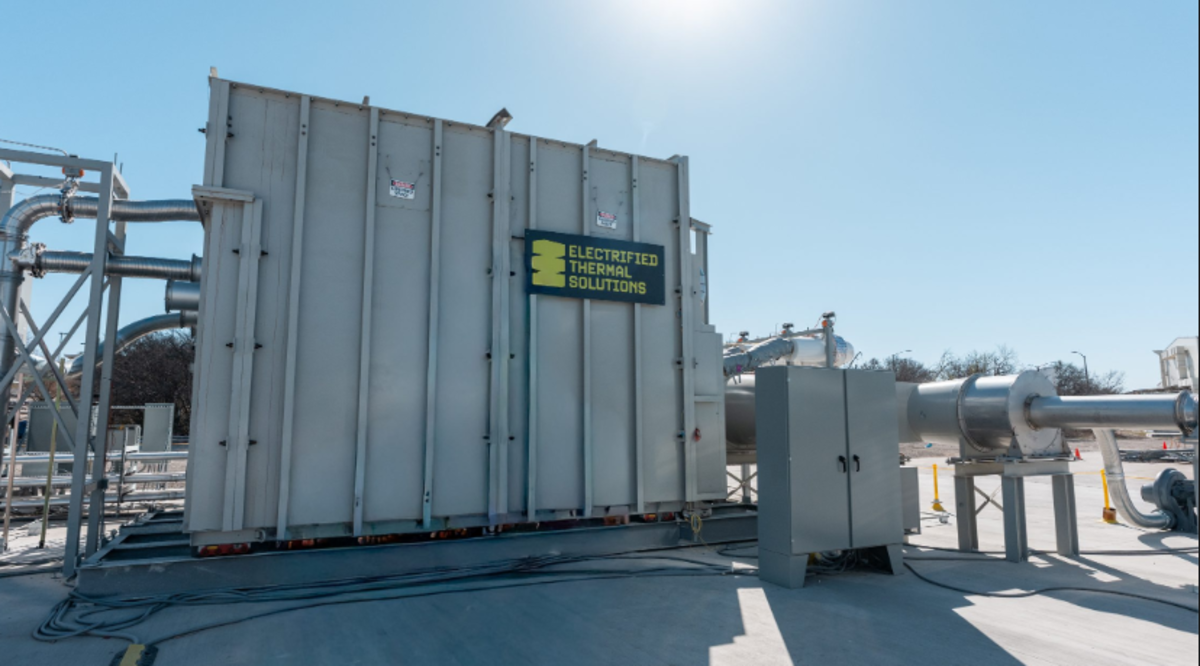
In a major milestone for industrial decarbonization, building materials giant Holcim has integrated two Joule Hive thermal batteries into a primary cement production facility. Developed by Massachusetts Institute of Technology spin-off Electrified Thermal Solutions, the system provides extreme thermal energy derived entirely from electricity. This breakthrough technology aims to eliminate reliance on fossil fuels for high-temperature manufacturing, marking a critical operational transition for heavy industry.
Process heat accounts for approximately 20 percent of all global energy consumption every year. Unlike low-temperature applications like residential heating or food pasteurization, heavy manufacturing processes require intense thermal output. Industries producing steel, aluminum, glass, and cement have historically burned methane or coal to reach these extreme temperatures, generating massive volumes of greenhouse gas emissions because suitable electric alternatives simply did not exist.
Cement manufacturing alone contributes roughly eight percent of total worldwide carbon dioxide emissions. The vast majority of those emissions stem directly from high-temperature kilns operating around the clock. By replacing traditional fossil fuel burners with thermal batteries charged by renewable energy, industrial operators can address one of the most stubborn carbon abatement challenges in the modern global economy.
The Breakthrough Engineering of Electrified Firebrick
The core innovation powering the Joule Hive system rests on modified firebrick material perfected over twelve years of intensive laboratory research. Standard ceramic firebricks act strictly as thermal insulators. However, engineers altered the chemical composition of these bricks by infusing elevated concentrations of metallic oxides, allowing the refractory material to directly conduct electrical currents and generate heat through resistance.
According to technical statements from company founders, the modified firebrick architecture utilizes widely available elements rather than exotic or delicate precious metals. This design choice prevents thermal burnout and ensures long-term operational durability under relentless high-temperature stress. As electrons pass through the conductive bricks, the system reaches working temperatures as high as 1,800 degrees Celsius with an exceptional conversion efficiency of 95 percent.
This extreme temperature capability allows the Joule Hive to generate heat intense enough for manufacturing steel, refining chemicals, and operating industrial cement kilns. Furthermore, the high thermal conversion efficiency enables plant operators to capture excess off-peak renewable energy from regional power grids. By absorbing intermittent wind and solar energy, the systems act as massive energy sponges that balance regional electricity grids.
Proving Thermal Viability for Heavy Industry
Moving advanced clean technology out of academic laboratories and into rigorous industrial applications represents a daunting hurdle for hardware startups. Electrified Thermal Solutions validated its thermal battery concept through extensive testing at the Southwest Research Institute in San Antonio. During those pilot operations, a commercial-scale unit logged more than 1,000 hours of continuous operation, establishing essential durability data and proof of concept.
That successful pilot testing paved the way for the full commercial integration at Holcim's production plant. Corporate announcements highlight that the installation marks a fundamental step change in practical efforts to electrify basic material production. For Holcim, adopting thermal storage technology directly aligns with broader corporate roadmaps to decarbonize its most energy-intensive, high-temperature operations worldwide.
Executive statements from Holcim emphasize that electrifying ultra-high-temperature industrial heat represents a crucial pillar in their operational decarbonization strategy. Deploying these thermal batteries allows plant managers to evaluate performance under real-world manufacturing conditions. The partnership provides a practical roadmap to accelerate carbon reduction across global facilities while demonstrating to the broader construction market that clean concrete is achievable.
Modular Thermal Storage and Grid Flexibility
Inside the facility, Electrified Thermal Solutions stacks the conductive firebricks inside modular, highly insulated enclosures roughly the size of an elevator. Each Joule Hive module acts as a robust thermal reservoir capable of retaining stored heat for up to three days with minimal thermal loss. This continuous storage capability bridges the gap between intermittent renewable power generation and non-stop factory operations.
Industrial plants can charge the thermal brick modules during hours when electricity prices drop due to abundant solar or wind power generation. When grid demand surges or renewable output declines, the facility draws directly upon the stored heat inside the Joule Hive to run kiln operations. This operational flexibility shields industrial producers from volatile electricity prices while maintaining uninterrupted output.
Industry filings indicate that Electrified Thermal Solutions has rapidly expanded its commercial footprint, securing key partnerships across sectors responsible for heavy industrial emissions. By targeting cement, steel, and chemical producers, the company focuses exclusively on markets where electric alternatives to direct fuel combustion previously did not exist. The Holcim installation offers a template for converting legacy fossil-fueled plants into electrified units.
Navigating the Dual Emissions Challenge in Cement
While electrifying industrial process heat eliminates fossil fuel combustion emissions, sector analysts emphasize that cement manufacturing presents a unique dual-emissions challenge. Roughly half of a cement plant's carbon footprint comes from burning fossil fuels to generate heat. The remaining portion arises from the chemical reaction known as calcination, which releases trapped carbon dioxide when raw limestone is converted into clinker.
Consequently, fully decarbonizing the global cement supply chain will require combining high-temperature thermal electrification with secondary carbon capture or alternative mineral chemistry solutions. Nevertheless, replacing fossil burners with electric firebrick storage eliminates the direct combustion half of the emissions equation immediately. As Holcim evaluates the Joule Hive deployment, the building materials sector takes a pivotal step toward sustainable industrial manufacturing.
