
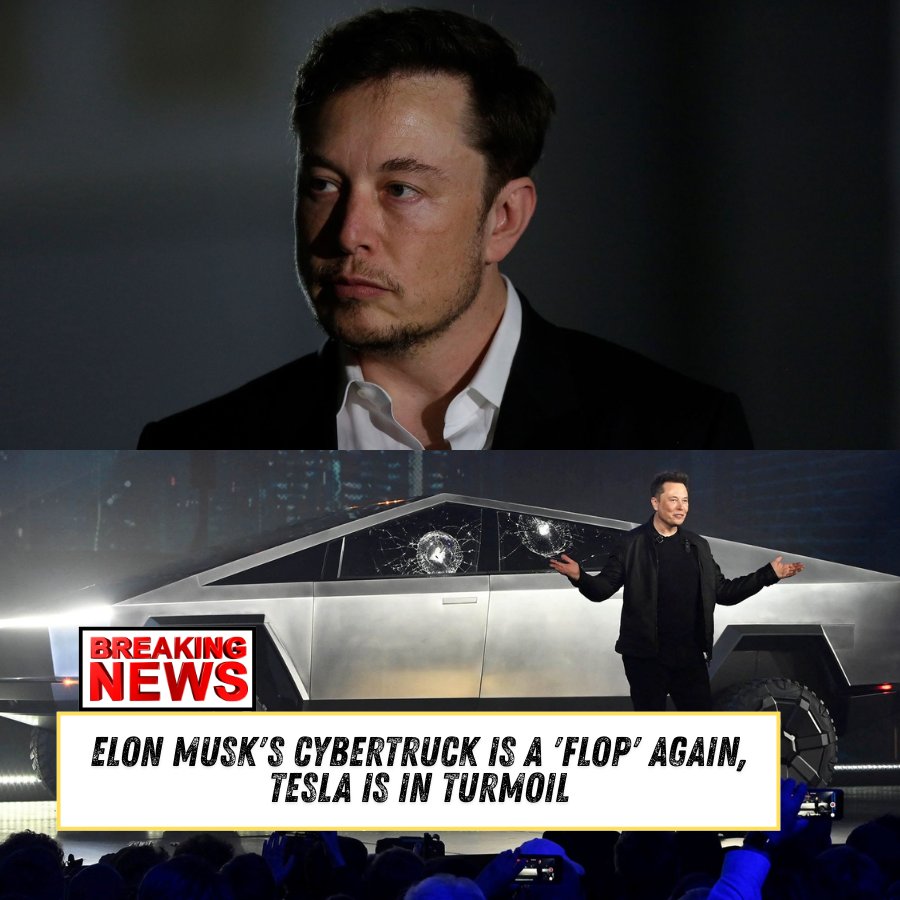
EV Market Shifts as Tesla Faces Hurdles and Ford Cuts Prices
Tesla Encounters Fresh Challenges in Electric Pickup Delivery
The global transition to sustainable transportation is entering a complex new chapter marked by shifting consumer demand, political debate, and intensified market competition. While early adoption drove unprecedented growth over the past decade, automotive manufacturers are now confronting broader economic headwinds, shifting government incentives, and logistical bottlenecks. Recent industry filings indicate a sharp contrast between emerging legacy pricing strategies and pure-play electric vehicle pioneers.
Tesla finds itself under intense public scrutiny as its flagship stainless-steel pickup encounters continued delivery pushback and operational snags across key domestic markets. Despite ambitious initial order volume promises during its early development, market performance indicators suggest that delivery pacing and customer satisfaction remain ongoing concerns. High production costs and manufacturing complexities continue to complicate the automaker's attempt to scale its unorthodox vehicle design effectively.
Furthermore, regulatory disclosures point to lingering assembly quality concerns and unexpected maintenance delays for early owners of the utility vehicle. Financial analysts note that the high price tag on top-tier trims has alienated price-sensitive buyers who originally anticipated an affordable utility truck. These compounding issues have tempered momentum in a segment critical to maintaining overall brand growth and investor confidence.
Ford Aggressively Cuts Prices to Capture Budget Truck Buyers
Conversely, traditional Detroit automakers are pivoting aggressively to capture mainstream market share through aggressive price cuts and promotional lease financing offers. Ford has dramatically adjusted its sales strategy for the F-150 Lightning, making its electric pickup significantly more accessible to retail consumers and commercial fleets. Dealership inventory reports highlight hefty factory discounts aimed at clearing unsold vehicle stock off retail showroom lots quickly.
By recalibrating trim packaging and lowering baseline entry costs, the legacy carmaker aims to undercut luxury electric offerings and lure traditional gasoline truck buyers. Automotive industry analysts suggest this aggressive pricing pressure could force competitor recalibrations across the entire utility vehicle landscape. Lower entry barriers remain essential for driving mainstream adoption as federal tax credit qualifications continue to evolve globally.
Volkswagen Navigates Severe Restructuring Amid European EV Slump
Across the Atlantic, European manufacturing giant Volkswagen faces severe structural headwinds that threaten its long-term electrification roadmaps. Regulatory filings and internal union reports indicate potential cost-cutting measures, including executive restructurings and output reductions across core German assembly plants. Weak domestic demand combined with aggressive foreign competition has placed immense strain on the company's regional financial outlook and operational margins.
Volkswagen's software division has also struggled to deliver seamless digital architectures on schedule, causing cascading delays for upcoming major vehicle launches. The combination of elevated European energy costs, lingering supply chain bottlenecks, and stubborn inflation has forced executive leadership to reconsider long-term regional production targets. Analysts warn that without rapid strategic realignments, legacy brands risk losing vital share in global markets.
The Changing Dynamics of Global Clean Energy Transportation
These concurrent developments reflect a broader normalization within the electric vehicle industry after years of exponential expansion. Car buyers are demanding greater long-term reliability, extended driving range, and robust charging infrastructure before committing to zero-emission mobility options. In response, automotive executives are re-evaluating massive capital expenditure plans and adjusting factory production schedules to align closely with actual retail demand.
Hybrid powertrains are experiencing a notable resurgent interest among everyday drivers hesitant to adopt fully battery-electric vehicles immediately. Industry trackers note that bridge technologies provide legacy manufacturers with vital profitability margins while global battery supply chains continue to mature. This dynamic has forced several top-tier global brands to temporarily balance pure electric rollouts with high-efficiency plug-in hybrid alternatives.
What Lies Ahead for the Electric Vehicle Ecosystem
Charging infrastructure expansion also remains a central focal point for market stabilization and consumer confidence across suburban and rural travel corridors. Government initiatives and public-private partnerships are steadily expanding high-speed networks, though reliability issues and geographic coverage disparities persist across major regions. Automakers adopting unified charging standards hope to ease long-distance range anxiety and spur secondary market vehicle resales.
Financial metrics show that battery cell production costs are gradually resuming their long-term downward trajectory despite underlying raw material volatility. This underlying hardware cost reduction is anticipated to help mid-tier automakers achieve price parity with internal combustion engines within upcoming model cycles. However, near-term operational profitability remains elusive for start-ups reliant solely on low-volume electric vehicle platforms.
The current automotive landscape demands exceptional operational agility, strict financial discipline, and a deep understanding of evolving consumer expectations. As price adjustments from legacy players place pressure on high-cost entrants, the global clean energy transition is maturing into a highly competitive market environment. Long-term success in this next era will belong to manufacturers capable of balancing technological innovation with affordable scale.
