
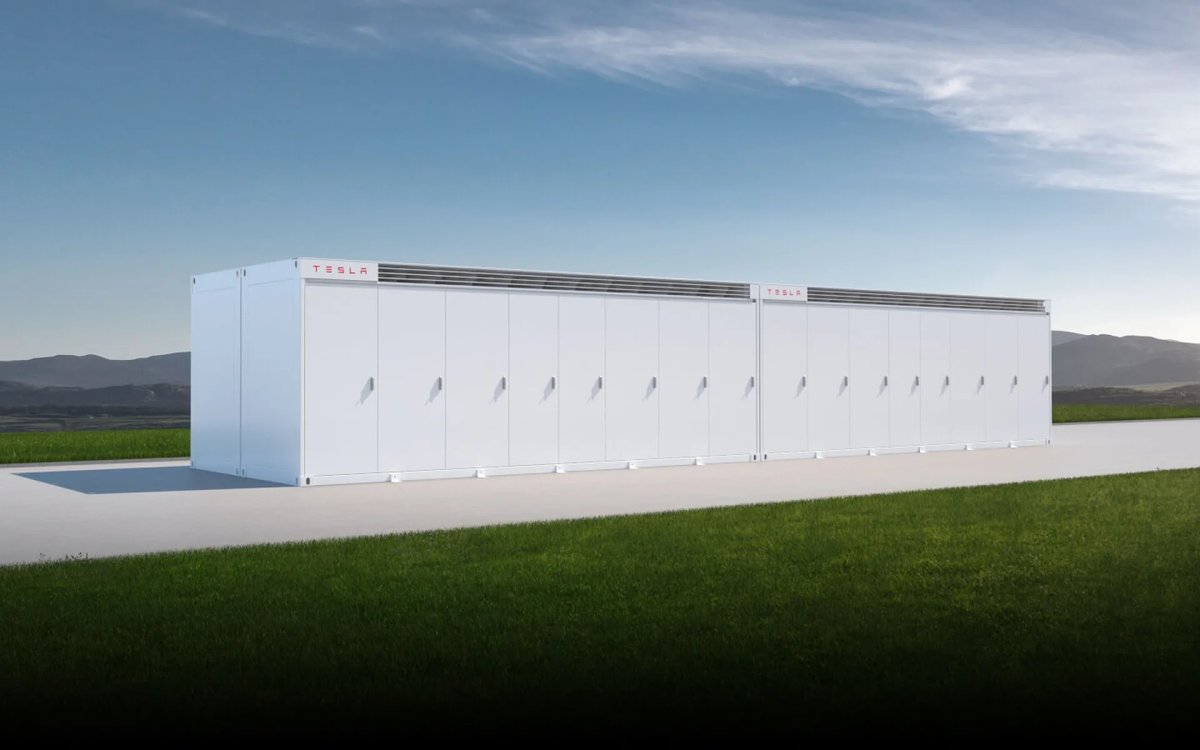
In a significant expansion of North American grid infrastructure, a new 500-megawatt-hour energy storage installation featuring advanced battery architecture has officially reached commercial operations in Texas. According to official company disclosures, the utility-scale facility incorporates next-generation battery hardware designed to stabilize regional distribution networks during extreme climatic demand spikes. The massive deployment highlights the rapid acceleration of stationary storage solutions across high-demand industrial corridors throughout 2026.
Engineering data confirms that the complex utilizes over one hundred high-density Megapack units, integrating lithium iron phosphate chemistry to maximize operational lifespans and maintain high round-trip efficiency. Located strategic to major transmission hubs, the installation provides instant reactive power support and critical frequency regulation for the state grid network. This capability is expected to drastically lower local curtailment rates during periods of peak renewable generation.
Expansion of Texas Grid Storage Capacity
Regulatory filings indicate that local utility operators authorized the interconnect procedures after extensive field validation tests demonstrated seamless islanding and emergency black-start capabilities. The project represents one of the largest single-site energy storage additions recorded in the ERCOT market to date. Regional planners noted that the facility will dispatch stored solar and wind energy back into the distribution network during summer thermal peaks.
Industry analysts emphasize that Texas has emerged as the premier proving ground for utility-scale energy storage owing to its unique, isolated power market dynamics. By buffering regional generation fluctuations, the installation acts as a virtual power plant capable of supporting tens of thousands of homes simultaneously. The project underscores how rapidly modular battery architecture is replacing conventional gas peaker infrastructure across primary domestic markets.
Official company disclosures detail that the site was constructed in record time using prefabricated assembly techniques, minimizing ground disturbance and shortening civil engineering timelines. Each unit features integrated thermal management and internal safety isolation protocols designed to mitigate operational risk under intense ambient heat. This modular engineering approach allows project developers to scale capacity cleanly as local transmission demands increase over time.
Integration of Advanced Hardware Systems
Engineering data indicates the 500MWh system relies on direct liquid cooling to maintain optimal operating temperatures during extreme summer heatwaves. The integrated power electronics deliver bidirectional conversion efficiency exceeding ninety-two percent across typical daily cycling operations. Consequently, grid operators can rapidly charge the battery arrays during midday solar gluts and discharge energy when wholesale pricing reaches statutory ceiling thresholds.
Industry analysts point out that stationary energy storage margins continue to outpace traditional automotive hardware revenue growth rates in current financial reporting. The expansion in Texas illustrates how energy storage is becoming a central profit driver for clean tech manufacturers operating in 2026. Capital deployment toward large-scale battery projects is accelerating as long-term power purchase agreements offer predictable revenue streams.
Regulatory filings highlight that the project received streamlined environmental approvals due to its minimal physical footprint compared to fossil-fueled alternatives. The absence of direct localized emissions allows utility partners to meet stringent regional environmental guidelines while enhancing grid resilience. Furthermore, automated software controls allow the battery complex to execute arbitrage strategies without requiring manual operational oversight from dispatch personnel.
Economic Dynamics and Utility Cost Offsets
According to official company disclosures, automated dispatch software monitors real-time market pricing and grid stress indicators to execute high-speed power injections. By responding to frequency deviations within milliseconds, the system prevents cascading distribution failures during sudden power plant trips or severe transmission line bottlenecks. This instantaneous response capability provides utility partners with an essential safety net against wide-scale blackouts.
Industry analysts report that the levelized cost of storage for lithium-based utility projects has dropped significantly over the past two years due to supply chain maturity. Consequently, energy storage installations are now undercut-pricing traditional peaker plants on both capital expenditure and operational maintenance costs. This financial dynamic is compelling power providers across North America to prioritize battery systems over new natural gas generation facilities.
Engineering data underlines that the physical site footprint occupies less than ten acres of land, demonstrating extreme volumetric energy density compared to historical storage designs. The compact layout reduces land acquisition expenses and simplifies structural civil works during initial construction phases. Additionally, localized fire suppression and modular containment barriers ensure maximum safety containment across the entire industrial energy compound.
Long-Term Market Impact and Supply Chain
Regulatory filings specify that the installation includes long-term maintenance contracts structured to ensure ninety-eight percent operational availability over a twenty-year lifecycle. The agreement requires routine degradation monitoring and scheduled module servicing to maintain baseline energy capacity levels. Such structured warranties provide institutional investors with the long-term cash flow visibility necessary to back multi-hundred-million-dollar energy infrastructure deployments.
Official company disclosures emphasize that localized component manufacturing in North America has mitigated international supply chain vulnerabilities for utility projects. Increased domestic production of power electronics and enclosure hardware has reduced transit delays and lowered total project balance-of-plant costs. This localized manufacturing footprint ensures reliable project delivery schedules even during periods of elevated global trade tension.
Industry analysts expect this 500MWh Texas project to serve as a standardized blueprint for upcoming utility installations across the Sun Belt region. As renewable penetration rates climb toward record levels nationwide, the demand for high-capacity, rapidly deployable battery storage will remain robust. Texas continues to demonstrate how competitive energy markets can successfully integrate large-scale clean technology to strengthen grid reliability.
