
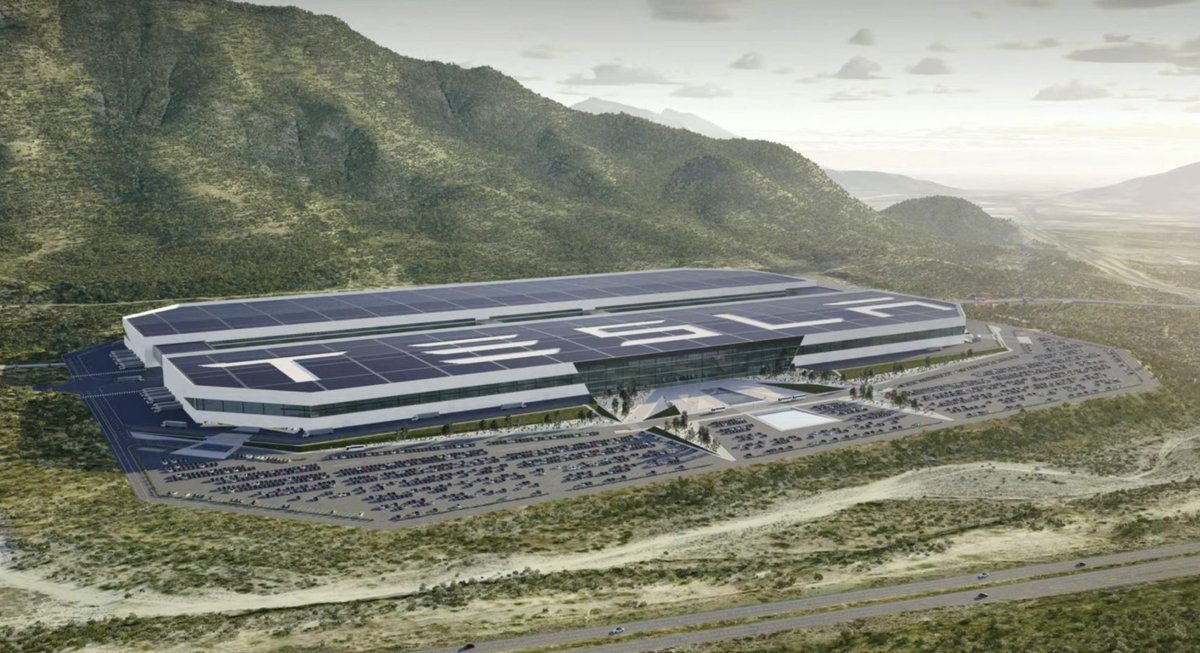
Groundbreaking updates at Gigafactory Mexico reveal a synchronized transition into its second major construction phase, focusing on high-density production modules. According to official company disclosures, the Santa Catarina facility in Nuevo León is optimizing its layout to accelerate high-volume vehicle output. The site now serves as the primary testing ground for next-generation manufacturing technology engineered to drastically reduce capital expenditure per vehicle.
Engineering data indicates that Phase Two shifts away from traditional unified assembly lines in favor of independent manufacturing cells. This decentralized construction approach enables rapid deployment of structural components without disrupting ongoing groundwork on Phase One infrastructure. Construction crews are currently finalizing specialized foundations designed to house heavy stamping presses and advanced automated body shops across the expanded southern perimeter.
Accelerated Infrastructure and Earthworks Deployment
Heavy machinery and specialized contractors have initiated extensive earthworks across an additional four hundred hectares of industrial terrain. Industry analysts report that site preparation is moving at twice the pace of previous Gigafactory projects due to pre-fabricated concrete foundations. This accelerated foundation strategy reduces site-level curing times while allowing modular steel frames to be erected immediately upon arrival from domestic suppliers.
Permits obtained through state environmental regulatory filings confirm that Phase Two integrates underground utility corridors built to support massive power draws. The updated site master plan incorporates redundant high-voltage conduits directly connected to regional substations. By placing key utilities below grade during early site preparation, builders prevent future surface disruptions when scaling factory floor space for subsequent vehicle lines.
Unboxed Assembly Architecture Integration
Central to the Phase Two strategy is the full-scale implementation of the proprietary unboxed manufacturing model. Official company disclosures highlight that sub-assemblies will be painted and completed in parallel streams before merging at a final join station. This spatial reorganization reduces factory footprint requirements by up to thirty percent while dramatically increasing throughput efficiency compared to conventional automotive assembly processes.
Technical documentation from engineering data demonstrates that sub-assembly cells will operate with autonomous mobile robots transporting vehicle sections. These automated guided vehicles coordinate movement using localized wireless networks to eliminate fixed conveyor infrastructure. Eliminating traditional overhead monorail systems allows structural ceilings to remain lower, significantly cutting heating, cooling, and structural steel costs across the main hall.
Nearshoring Supply Chain and Logistics Ecosystem
Phase Two expansion relies heavily on establishing a localized tier-one supplier network within a fifty-kilometer radius of Santa Catarina. Industry analysts emphasize that over sixty component suppliers have already secured facilities in neighboring industrial parks across Nuevo León. This dense supplier clustering minimizes freight transit times and protects production schedules from cross-border transit delays or international maritime shipping bottlenecks.
Direct rail lines linking Giga Mexico to central logistics hubs in North America represent another key element of Phase Two. Regulatory filings indicate that construction of a dedicated intermodal rail yard on the site border is currently underway. This dedicated rail connection will stream raw materials directly into raw processing halls while transporting finished vehicles north toward distribution nodes.
Sustainable Energy Grid and Water Resource Strategy
Environmental sustainability features prominently in Phase Two engineering blueprints, specifically regarding water conservation in arid northern Mexico. According to regulatory filings, the facility will operate a closed-loop industrial water treatment plant capable of recycling one hundred percent of process water. The factory relies entirely on treated municipal wastewater for industrial cooling and paint shop processes, preserving local potable water sources.
Renewable energy generation is also scaled significantly under the Phase Two buildout plan. Engineering data outlines the installation of high-efficiency solar arrays across the entire rooftop surface of the newly planned structures. Coupled with utility-scale battery storage banks on site, Giga Mexico aims to offset peak grid demand while ensuring operational continuity during localized grid fluctuations.
Global Delivery Targets and Market Realignment
The strategic expansion of Giga Mexico comes at a critical juncture for North American electric vehicle adoption rates. Industry analysts note that Phase Two capacity will directly feed demand for lower-cost vehicle variants designed for emerging markets and domestic fleets. By lowering manufacturing costs through optimized factory layouts, regional production helps maintain competitive pricing structures across international markets.
Market projections based on official company disclosures suggest that Phase Two will eventually double the facility’s theoretical annual vehicle output. Initial tooling installation for Phase Two modules is scheduled to conclude late next year, with pilot production runs following shortly thereafter. The staggered ramp-up strategy ensures quality control standards are met while scaling production lines.
Regulatory filings indicate that Phase Two will create thousands of skilled technical and engineering positions in Nuevo León. Educational partnerships between the facility and local universities are already establishing training pipelines for specialized automation technician roles. This human capital investment ensures a ready workforce capable of operating advanced robotics and maintaining complex automated assembly systems.
As Giga Mexico executes its Phase Two construction roadmap, the site sets a new baseline for global automotive factory engineering. Industry analysts conclude that the factory's modular footprint and localized ecosystem provide a flexible template for future manufacturing expansion worldwide. The rapid progression of Santa Catarina reflects a broader industrial shift toward hyper-efficient, localized EV manufacturing.
