
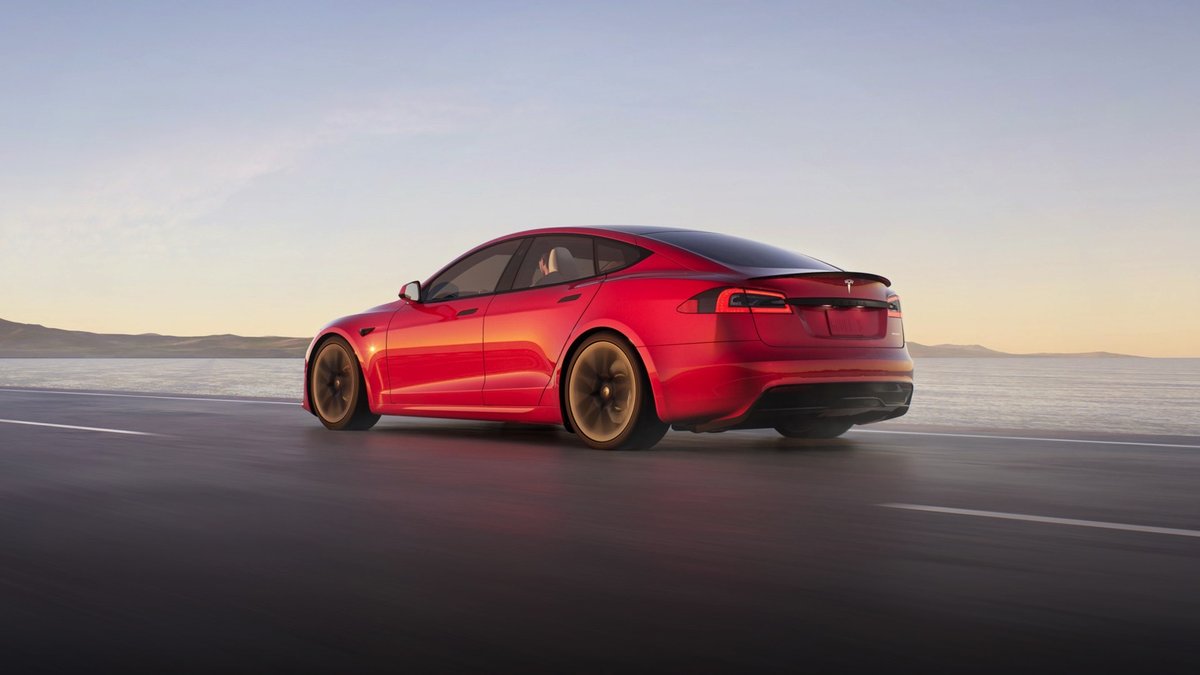
The updated 2026 Tesla Model S Dual Motor variant continues to redefine high-performance electric mobility while maintaining exceptional cold-weather usability across global markets. As winter conditions test the limits of modern electric powertrains, recent real-world evaluations highlight how advanced software integration elevates mechanical grip. This flagship sedan leverages real-time torque vectoring to navigate treacherous road surfaces with unmatched composure.
According to official company disclosures, the dual-motor architecture calculates tire slip every ten milliseconds, adjusting power distribution instantly between the front and rear axles. Unlike traditional internal combustion drive systems that suffer from unavoidable mechanical delays, this digital setup delivers instant torque control. Consequently, drivers experience continuous forward momentum even when navigating deep slush, compact snow, or patchy black ice.
Architecture of Next-Gen All-Wheel Drive
Engineering data confirms that the front permanent magnet motor works in tandem with the rear induction unit to optimize energy usage while ensuring maximum high-speed stability. During low-friction events, the central computer decouples or modulates individual motors to prevent loss of lateral control. This proactive management strategy significantly reduces driver anxiety during unpredictable winter storms and high-speed highway cruising.
Industry analysts note that advanced thermal management plays a crucial role in maintaining winter dynamic response and overall drivability. The third-generation heat pump system routes waste thermal energy to pre-condition battery cells, preserving full regenerative braking authority in freezing temperatures. Having predictable deceleration without mechanical brake lockup provides a distinct safety margin when descending steep, slippery gradients.
Furthermore, regulatory filings demonstrate that vehicle stability control algorithms were updated this year to better accommodate specialized winter tire compounds. The vehicle automatically detects reduced friction coefficients and adjusts throttle mapping to prevent aggressive power delivery. This fine-tuned electronic calibration allows smooth launches from a complete stop on icy inclined road surfaces without unnecessary wheelspin.
Real-World Winter Performance and Handling
On frozen test tracks, the Model S Dual Motor demonstrates remarkable directional stability during evasive lane-change maneuvers and tight cornering. The heavy low-slung battery pack creates a favorable polar moment of inertia, effectively resisting sudden spinouts on slick ice. When combined with dynamic air suspension adjustments, the vehicle maintains optimal tire contact patches across uneven rutted snow paths.
Field evaluations reveal that selecting the dedicated slip-start mode allows necessary initial wheelspin to clear deep snow bank obstacles. Once momentum is re-established, the onboard computers seamlessly transition back to standard high-traction control logic. Drivers report feeling completely connected to the road surface, thanks to refined electronic power steering feedback calibrated specifically for low-grip scenarios.
Engineering data highlights that cabin comfort remains completely uncompromised during harsh weather testing, supported by multi-zone climate scheduling. The system intelligently preheats the interior cabin and battery enclosure while still attached to charging equipment, preserving valuable total driving range. This integration ensures maximum energy availability for driving and active traction management tasks throughout extended regional journeys.
Efficiency and Range Retention in Sub-Zero Weather
Cold ambient temperatures traditionally penalize electric vehicle operating efficiency, yet the 2026 Model S limits range degradation remarkably well. Official company disclosures show that aerodynamic refinements paired with optimized motor inverter switching reduce winter energy consumption penalties. The vehicle retains up to eighty-five percent of its rated driving range under freezing operating conditions across varied terrain.
Industry analysts emphasize that Supercharger network integration further mitigates cold-weather travel concerns for long-distance electric vehicle drivers. The navigation suite automatically initiates battery pre-conditioning miles before arriving at a high-speed charging hub, accelerating energy intake rates. This automated thermal process minimizes station stop times, ensuring seamless cross-country travel during intense winter weather patterns.
Additionally, active adaptive air suspension lowers ride heights automatically at highway speeds to minimize aerodynamic drag during winter travel. Raising the chassis manually provides necessary ground clearance when navigating unplowed suburban streets or steep driveway aprons covered in snow. This dual-capability air suspension setup bridges the gap between high-speed winter efficiency and low-speed obstacle clearance capability.
Safety Ratings and Market Competitive Position
Regulatory filings highlight that the chassis safety cage and structural battery pack absorb severe side impacts, enhancing overall occupant protection. When driving over hidden road hazards buried under fresh snowfall, the reinforced underbody shield protects critical high-voltage componentry from potential impact damage. These structural advantages elevate consumer confidence when operating in extreme sub-zero geographic regions.
Industry analysts stress that the Model S Dual Motor continues to set the benchmark against luxury electric competitors in traction control responsiveness. Traditional luxury automakers rely on heavy mechanical differentials that struggle to match the microsecond reaction times of dual independent electric powertrains. As a result, the sedan offers superior stability without sacrificing high-performance acceleration characteristics.
Ultimately, comprehensive winter testing proves that software-driven all-wheel drive technology transforms severe weather driving from a hazard into a controlled experience. Official company disclosures re-affirm that continuous over-the-air software updates will refine traction control parameters throughout the vehicle lifetime. The 2026 Model S Dual Motor stands as a triumphant blend of luxury, range, and extreme cold-weather performance.
